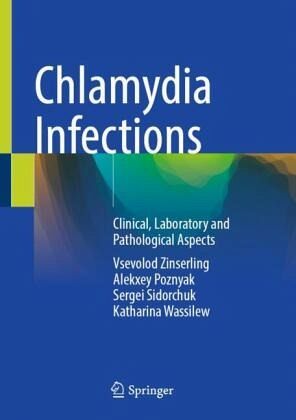
Chlamydiosis are common and hazardous diseases, yet their clinical and morphological aspects are rarely described in the literature. Visceral and brain lesions remain virtually unknown. This book presents the results of long-term studies conducted by the authors and their collaborators, including pathologists, infectologists, neurologists, ophthalmologists, and urologists. It compares clinical (adults, infants, placentas) and experimental materials with modern literary data. Many aspects of this problem have never been addressed in world literature. The text includes well-illustrated…mehr
Chlamydiosis are common and hazardous diseases, yet their clinical and morphological aspects are rarely described in the literature. Visceral and brain lesions remain virtually unknown.
This book presents the results of long-term studies conducted by the authors and their collaborators, including pathologists, infectologists, neurologists, ophthalmologists, and urologists. It compares clinical (adults, infants, placentas) and experimental materials with modern literary data. Many aspects of this problem have never been addressed in world literature. The text includes well-illustrated clinical, laboratory, and morphological issues of lesions across all locations, with examples from our own practice. It presents modern views on the taxonomy, properties, and diagnostics of Chlamydia. The possible role of the pathogen in the development of non-infectious lesions is also discussed, and directions for further studies is outlined.
This book is valuable for specialists and students in general medicine, infectious diseases, urology, obstetrics and gynecology, neurology, pediatrics, neonatology, ophthalmology, pathology, and legal medicine.
Vsevolod A. Zinserling (Tsinzerling) was born 1954 in Leningrad (Russia) in the family of Prof. Dr. Alexander Zinserling (1923-1995) - outstanding pathologist. He graduated from Leningrad Paediatric Medical Institute in 1977, worked as research scientist, practicing as pathologist in Leningrad Research Institute of Children's Infections (1977-1988). In 1978-80 had postgraduate training at the chair of pathology (chief. Prof. O.K. Khmelnitsky) of Leningrad Institute for Postgraduate Medical Training. 1981 defended his cand. med. sc. (Dr. med.) thesis "Brain changes in mycoplasmosis". In 1988-92 chief of the Central Research Laboratory of Leningrad Paediatric Medical Institute. In 1988 defended the doct. med. sci. thesis "Brain lesions due to respiratory viruses". Since 1992-2007 chief of the Institute of Pathology St. Petersburg Paediatric Medical Academy. Since 2017 V. Zinserling is organizing and providing the postgraduate medical training in pediatric pathology in Russia.He is also providing consultations in the city's Consulting Centre for the Infectious Pathology and. Since 2017 professor of pathology at the V.A. Almazov National Research Center. Author of more than 400 scientific publications devoted to different topics of infectious, perinatal and brain pathology, including manuals (in Russian) "Modern Infections" (2002), "Perinatal infections (2002)", "Infections of the Nervous System" (2005). Author of two books " Infectious Lesions of Respiratory tract (2021) and Infectious Lesions of the central Nervous System (2022), by Springer. Participant of many international congresses, being invited lecturer at European Congresses of ESP (2010-2022). Andrey V. Kolobov graduated from Pediatric Pediatric Medical Academy in 1994, since 1997 after postgraduate training in pathology at the same academy works as pathologist in the field of perinatology and since 2007 is associated professor at medical faculty of Saint-Petersburg University. His cand. med. Sc. Thesis (Dr.med) defended in 2002 was devoted to the pathology of perinatal syphilis. He is author of about 100 publications devoted to perinatal infectious pathology, participant of several European Congresses of ESP. Sebastian Lucas graduated from UCH London and Oxford in 1973. He became interested in infectious disease pathology and worked in many countries in Africa as well as London. He was professor of pathology at Guy's, King's and St Thomas' Medical School from 1995, retiring in 2022. Particular specialist interests include HIV/AIDS, leprosy, tuberculosis and autopsy pathology.
Inhaltsangabe
Introduction.- Chapter 1. Taxonomy of Chlamydia.- 1.1. Taxonomy of Chlamydiales.- 1.2. Brief characteristics of the Chlamydiaceae family.- Chapter 2. Pathogenesis of Chlamydiosis.- 2.1 Structural and functional characteristics, virulence factors of chlamydia spp.- 2.2. Interaction of chlamydia with host cells.- 2.3 Functional state of the immune system in patients with various forms of chronic urogenital chlamydial infection.- 2.4 Results of correlation analysis of immunological parameters in patients with localized and widespread forms of urogenital chlamydiosis.- Chapter 3. Epidemiology of chlamydial infections.- 3.1. Infections due to Chlamydia trachomatis.- 3.2. Infections caused by Chlamydia pneumonia.- 3.3 Infections by Chlamydia psittaci.- 3.4. Diseases caused by Chlamydia felis, Chlamydia abortus and Chlamydia caviae.- Chapter 4. Laboratory, instrumental and morphological diagnostics of Chlamydial infections.- 4.1 Modern aspects of diagnostics of diseases caused by C. trachomatis.- 4.2 Indications for testing for urogenital chlamydia.- 4.3 Methodological aspects of laboratory diagnostics of chlamydia.- 4.4 Diagnostic value of the results obtained by various methods of diagnosing chlamydial infection.- 4.5 Molecular ¬biological methods for diagnostics of C.trachomatis.- 4.6 Cultural method.- 4.7 Rapid tests in the diagnosis of sexually transmitted infections.- 4.8 Serological tests (enzyme-linked immunosorbent assay, indirect immunofluorescence).- 4.9 Determination of serotypes and molecular ¬biological characteristics of C. trachomatis.- 4.10 Diagnostics of urogenital chlamydia associated with trichomonas invasion.- 4.11 Diagnosis of widespread forms of chlamydial infection.- 4.12 Diagnosis of persistent forms of chlamydial infection.- 4.13. Laboratory and instrumental diagnostics of pneumochlamydiosis.- 4.14 Laboratory and instrumental diagnostics of ornithosis.- 4.15. Morphological methods for diagnosing chlamydiosis.- Chapter 5. Clinical and morphological characteristics of Chlamydial infections in humans.- 5.1. Urogenital chlamydiosis.- 5.2 Chlamydial lesions of the visual organ (Boyko E.V., Poznyak A.L., Suetov A.A.).- 5.3. Chlamydial lesions of the nervous system (with the participation of Vainshenker Yu.I., Mudritsky V.M.).- 5.4 PNEUMOCHLAMYDIOSIS.- 5.5 Arthropathy associated with chlamydial infection.- 5.6. Periodontitis (Together with A.F. Eliseeva).- 5.7 Other organ lesions.- Chapter 6. Perinatal chlamydiosis.- 6.1 Lessons of the afterbirth in chlamydiosis.- 6.2 Intrauterine chlamydiosis.- 6.3 Remote consequences of intrauterine chlamydiosis (in collaboration with YI Vainshenker).- Chapter 7. Problems of mixed chlamydial infections.- 7.1 Chlamydiosis and influenza.- 7.2 Chlamydiosis and Covid.- 7.3 Combined brain lesions in severe non-infectious lesions (jointly with Yu.I. Vainshenker).- 7.4. Chlamydiosis and other urogenital infections.- Chapter 8. Chlamydia and non-infectious diseases.- 8.1 Chlamydia Pneumonia and atherosclerosis (jointly with Yu.I. Vainshenker).- 8.2 Role of Chlamydia pneumoniae in the pathogenesis of multiple sclerosis.- 8.3. Chlamydia and neurodegenerative diseases.- 8.4 Brain lesions in HIV infected patients associated with C. pneumoniae (in collaboration with Y.I. Vainshenker.- 8.5 Different neurological pathology associated with chlamydia (in collaboration with Y.I. Vainshenker).- 8.6 Other diseases probably associated with chlamydiosis.- Chapter 9. Chlamydiosis in animals.- 9.1. Chlamydiosis in cattle.- 9.2. Chlamydiosis in sheep.- 9.3. Chlamydiosis in pigs.- 9.4 Conclusion.- Chapter 10. Experimental chlamydiosis.- 10.1 Review of existing models of chlamydial infections.- 10.2 Review of existing experimental models of chlamydial infection of the nervous system.- 10.2 Ultrastructural changes in experimental chlamydial meningoencephalitis (L.S. Onischenko, partly in collaboration with M.M. Odinak, M.M. Mikhailenko, I.V. Nuralova).- Conclusion.
Introduction.- Chapter 1. Taxonomy of Chlamydia.- 1.1. Taxonomy of Chlamydiales.- 1.2. Brief characteristics of the Chlamydiaceae family.- Chapter 2. Pathogenesis of Chlamydiosis.- 2.1 Structural and functional characteristics, virulence factors of chlamydia spp.- 2.2. Interaction of chlamydia with host cells.- 2.3 Functional state of the immune system in patients with various forms of chronic urogenital chlamydial infection.- 2.4 Results of correlation analysis of immunological parameters in patients with localized and widespread forms of urogenital chlamydiosis.- Chapter 3. Epidemiology of chlamydial infections.- 3.1. Infections due to Chlamydia trachomatis.- 3.2. Infections caused by Chlamydia pneumonia.- 3.3 Infections by Chlamydia psittaci.- 3.4. Diseases caused by Chlamydia felis, Chlamydia abortus and Chlamydia caviae.- Chapter 4. Laboratory, instrumental and morphological diagnostics of Chlamydial infections.- 4.1 Modern aspects of diagnostics of diseases caused by C. trachomatis.- 4.2 Indications for testing for urogenital chlamydia.- 4.3 Methodological aspects of laboratory diagnostics of chlamydia.- 4.4 Diagnostic value of the results obtained by various methods of diagnosing chlamydial infection.- 4.5 Molecular ¬biological methods for diagnostics of C.trachomatis.- 4.6 Cultural method.- 4.7 Rapid tests in the diagnosis of sexually transmitted infections.- 4.8 Serological tests (enzyme-linked immunosorbent assay, indirect immunofluorescence).- 4.9 Determination of serotypes and molecular ¬biological characteristics of C. trachomatis.- 4.10 Diagnostics of urogenital chlamydia associated with trichomonas invasion.- 4.11 Diagnosis of widespread forms of chlamydial infection.- 4.12 Diagnosis of persistent forms of chlamydial infection.- 4.13. Laboratory and instrumental diagnostics of pneumochlamydiosis.- 4.14 Laboratory and instrumental diagnostics of ornithosis.- 4.15. Morphological methods for diagnosing chlamydiosis.- Chapter 5. Clinical and morphological characteristics of Chlamydial infections in humans.- 5.1. Urogenital chlamydiosis.- 5.2 Chlamydial lesions of the visual organ (Boyko E.V., Poznyak A.L., Suetov A.A.).- 5.3. Chlamydial lesions of the nervous system (with the participation of Vainshenker Yu.I., Mudritsky V.M.).- 5.4 PNEUMOCHLAMYDIOSIS.- 5.5 Arthropathy associated with chlamydial infection.- 5.6. Periodontitis (Together with A.F. Eliseeva).- 5.7 Other organ lesions.- Chapter 6. Perinatal chlamydiosis.- 6.1 Lessons of the afterbirth in chlamydiosis.- 6.2 Intrauterine chlamydiosis.- 6.3 Remote consequences of intrauterine chlamydiosis (in collaboration with YI Vainshenker).- Chapter 7. Problems of mixed chlamydial infections.- 7.1 Chlamydiosis and influenza.- 7.2 Chlamydiosis and Covid.- 7.3 Combined brain lesions in severe non-infectious lesions (jointly with Yu.I. Vainshenker).- 7.4. Chlamydiosis and other urogenital infections.- Chapter 8. Chlamydia and non-infectious diseases.- 8.1 Chlamydia Pneumonia and atherosclerosis (jointly with Yu.I. Vainshenker).- 8.2 Role of Chlamydia pneumoniae in the pathogenesis of multiple sclerosis.- 8.3. Chlamydia and neurodegenerative diseases.- 8.4 Brain lesions in HIV infected patients associated with C. pneumoniae (in collaboration with Y.I. Vainshenker.- 8.5 Different neurological pathology associated with chlamydia (in collaboration with Y.I. Vainshenker).- 8.6 Other diseases probably associated with chlamydiosis.- Chapter 9. Chlamydiosis in animals.- 9.1. Chlamydiosis in cattle.- 9.2. Chlamydiosis in sheep.- 9.3. Chlamydiosis in pigs.- 9.4 Conclusion.- Chapter 10. Experimental chlamydiosis.- 10.1 Review of existing models of chlamydial infections.- 10.2 Review of existing experimental models of chlamydial infection of the nervous system.- 10.2 Ultrastructural changes in experimental chlamydial meningoencephalitis (L.S. Onischenko, partly in collaboration with M.M. Odinak, M.M. Mikhailenko, I.V. Nuralova).- Conclusion.
Es gelten unsere Allgemeinen Geschäftsbedingungen: www.buecher.de/agb
Impressum
www.buecher.de ist ein Internetauftritt der buecher.de internetstores GmbH
Geschäftsführung: Monica Sawhney | Roland Kölbl | Günter Hilger
Sitz der Gesellschaft: Batheyer Straße 115 - 117, 58099 Hagen
Postanschrift: Bürgermeister-Wegele-Str. 12, 86167 Augsburg
Amtsgericht Hagen HRB 13257
Steuernummer: 321/5800/1497
USt-IdNr: DE450055826