
Andere Kunden interessierten sich auch für
 Inventing Future Cities21,99 €
 Inventing Future Cities16,99 €
 Trans-Europe Express9,99 €
 Palaces for the People9,99 €
 Longevity Hubs16,99 €
 Contemporary Urban Planning223,99 €
 Contemporary Urban Planning82,99 €





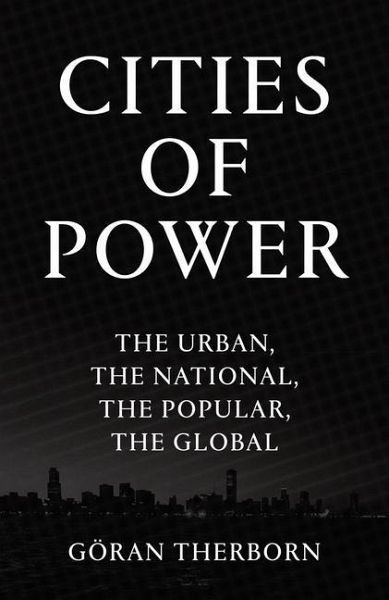
In this brilliant, very original survey of the politics and meanings of urban landscapes, leading sociologist Göran Therborn offers a tour of the world's major capital cities, and the forces that have shaped them. Through a global, historical lens, and with a thematic range extending from the mutations of modernist architecture to the contemporary return of urban revolutions, Therborn questions received assumptions about the source, manifestations and reach of urban power, combining perspectives on politics, sociology, urban planning, architecture, and urban iconography. With its unique systematic overview, from Washington DC and revolutionary Paris to the flamboyant twenty-first century capital of Kazakhstan, its wealth of urban observations from all the populated continents, and its sharp and multi-faceted analyses, Cities of Power forces us to rethink our urban future, as well as our historically shaped present.