
Andere Kunden interessierten sich auch für
 Handbook of Research on Civic Engagement and Social Change in Contemporary Society225,99 €
 Civic Hope36,99 €
 Deliberation, Democracy, and Civic Forums75,99 €
 Countervailing Forces in African-American Civic Activism, 1973-199432,99 €
 Foreigners on America's Death Rows115,99 €
 The Abolition of the Death Penalty in International Law137,99 €
 Countervailing Forces in African-American Civic Activism, 1973 199482,99 €


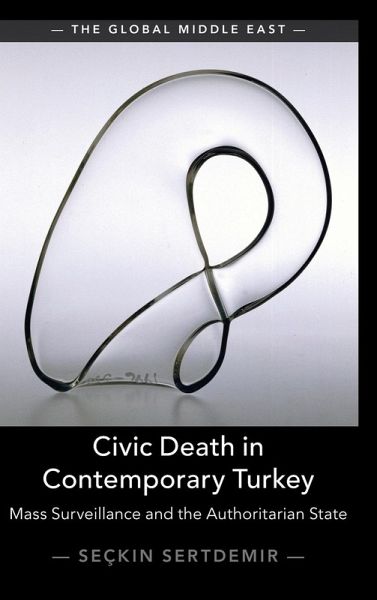
What does it mean for a government to declare its citizens 'dead' while they still live? Following the failed 2016 coup, the Turkish AKP government implemented sweeping powers against some 152,000 of its citizens. These Kanun hükmünde kararnameli ('emergency decreed') were dismissed from their positions and banned for life from public service. With their citizenship rights revoked, Seçkin Sertdemir argues these individuals were rendered into a state of 'civic death'. This study considers how these authoritarian securitisation methods took shape, shedding light on the lived experiences of targeted people. Bringing together approaches from political philosophy, social anthropology, and sociology, Sertdemir outlines the approaches and justifications used by the Turkish government to dismiss opponents, increase surveillance, and brand citizens as 'terrorists'. At the same time, extensive archival research and in-depth interviews bring focus to the impact of these measures on the lives of women, and the disabled and LGBTQ+ communities.