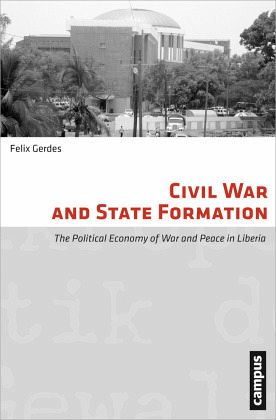
Nach dem langen Bürgerkrieg der 1990er Jahre galt Liberia unter der Präsidentschaft des Warlords Charles Taylor vielen Beobachtern als gescheiterter Staat. Seit der Machtübernahme durch Ellen Johnson Sirleaf im Jahr 2006 wird die Landesentwicklung weithin als Erfolgsgeschichte bewertet. Felix Gerdes zeigt, welche strukturellen Änderungen zu diesem Wandel und damit zur relativen Stabilisierung führten. Seine Analysen machen deutlich, dass die liberianischen Kriege gerade nicht die Zerstörung des Staates bedeuteten, sondern als Teil des Prozesses der Staatsbildung zu verstehen sind. Die…mehr
Nach dem langen Bürgerkrieg der 1990er Jahre galt Liberia unter der Präsidentschaft des Warlords Charles Taylor vielen Beobachtern als gescheiterter Staat. Seit der Machtübernahme durch Ellen Johnson Sirleaf im Jahr 2006 wird die Landesentwicklung weithin als Erfolgsgeschichte bewertet. Felix Gerdes zeigt, welche strukturellen Änderungen zu diesem Wandel und damit zur relativen Stabilisierung führten. Seine Analysen machen deutlich, dass die liberianischen Kriege gerade nicht die Zerstörung des Staates bedeuteten, sondern als Teil des Prozesses der Staatsbildung zu verstehen sind. Die Betrachtungen der Kontinuitäten und Brüche der politischen Verfasstheit Liberias ermöglichen eine fundierte Bewertung der anhaltenden strukturellen Probleme der Nachkriegsordnung.Hinweis: Dieser Artikel kann nur an eine deutsche Lieferadresse ausgeliefert werden.
Die Herstellerinformationen sind derzeit nicht verfügbar.
Inhaltsangabe
Contents List of Tablesviii Prefaceix 1. Introduction1 2. War, Peace, and Young States8 2.1. The State and Other Types of Political Organization9 2.1.1. The Importance of Variance in (Personal) Authority9 2.1.2. Non-legitimate Domination15 2.1.3. The Empirical State17 2.2. State Formation, State Erosion and Society19 2.2.1. State-Building and State Decay19 2.2.2. Society and the State26 2.2.3. A Note on Sequences of Domination29 3. The First Liberian Civil War: The Rise of Charles Taylor31 3.1. Collusion, Competition and Military Combat34 3.1.1. The Actors34 3.1.2. Elimination Contests39 3.1.3. Winning a War by Way of Elections56 3.1.4. Summary: Civil War as State-Building59 3.2. Political Economy of the NPFL60 3.2.1. Creation of the NPFL and Imposition of Taylor60 3.2.2. Politics of the NPFL: Administration and Legitimacy64 3.2.3. Discipline, Repression and Material Interests73 3.2.4. Economics of the NPFL79 3.3. Taylor's Adversaries and their Weaknesses104 3.3.1. The Doe Government106 3.3.2. The Interim Government of National Unity109 3.3.3. The Independent National Patriotic Front of Liberia115 3.3.4. The ECOWAS Cease-Fire Monitoring Group117 3.3.5. The United Liberation Movements123 3.3.6. The Liberia Peace Council128 3.4. Summary: Taylor and his Rivals131 3.5. From Warlord to Statesman: Charles Taylor as President132 3.5.1. Transplanting a System of Domination134 3.5.2. The Security Sector139 3.5.3. Revenue Generation in Charles Taylor's Liberia140 3.5.4. Key Features of Liberia Inc.150 3.6. Summary: The Rise of Charles Taylor152 4. Taylor's Fall and the Dawn of a Neo-patrimonial Democracy154 4.1. The Government: Cracks in the System154 4.1.1. Disintegration of the Security Sector154 4.1.2. Repression and the Erosion of a Patrimonial System158 4.1.3. An Aggressive Regional Policy161 4.1.4. The Economics of Taylor's Fall165 4.1.5. The Final Events167 4.2. The Rebels: LURD and MODEL168 4.3. The National Transitional Government of Liberia172 4.3.1. The Erosion of the Former Regime175 4.3.2. LURD and MODEL: Rebels Falling Apart182 4.3.3. Political Parties and Civil Society: Dashed Hopes187 4.4. Elections and a New Regime191 4.4.1. Presidential Elections: Warring Parties192 4.4.2. The Leading Candidates and their Networks194 4.4.3. The Legislature205 4.5. Liberia under Johnson Sirleaf: Rebuilding the State?217 4.5.1. Anatomy of a Post-War Regime218 4.5.2. Major Issues in Institutional Development222 4.5.3. An Anti-Corruption Policy?226 4.5.4. New Elections-Reconfigured Alliances231 4.6. Political Economy of the New Liberia235 4.6.1. A Peacekeeping and Reconstruction Economy235 4.6.2. Natural Resources and Political Control237 4.7. From Taylor to Johnson Sirleaf: Major Issues249 5. Conclusion251 Bibliography263 Index285Contents
List of Tablesviii
Prefaceix
1. Introduction1
2. War, Peace, and Young States8 2.1. The State and Other Types of Political Organization9 2.1.1. The Importance of Variance in (Personal) Authority9 2.1.2. Non-legitimate Domination15 2.1.3. The Empirical State17 2.2. State Formation, State Erosion and Society19 2.2.1. State-Building and State Decay19 2.2.2. Society and the State26 2.2.3. A Note on Sequences of Domination29
3. The First Liberian Civil War: The Rise of Charles Taylor31 3.1. Collusion, Competition and Military Combat34 3.1.1. The Actors34 3.1.2. Elimination Contests39 3.1.3. Winning a War by Way of Elections56 3.1.4. Summary: Civil War as State-Building59 3.2. Political Economy of the NPFL60 3.2.1. Creation of the NPFL and Imposition of Taylor60 3.2.2. Politics of the NPFL: Administration and Legitimacy64 3.2.3. Discipline, Repression and Material Interests73 3.2.4. Economics of the NPFL79 3.3. Taylor's Adversaries and their Weaknesses104 3.3.1. The Doe Government106 3.3.2. The Interim Government of National Unity109 3.3.3. The Independent National Patriotic Front of Liberia115 3.3.4. The ECOWAS Cease-Fire Monitoring Group117 3.3.5. The United Liberation Movements123 3.3.6. The Liberia Peace Council128 3.4. Summary: Taylor and his Rivals131 3.5. From Warlord to Statesman: Charles Taylor as President132 3.5.1. Transplanting a System of Domination134 3.5.2. The Security Sector139 3.5.3. Revenue Generation in Charles Taylor's Liberia140 3.5.4. Key Features of Liberia Inc.150 3.6. Summary: The Rise of Charles Taylor152
4. Taylor's Fall and the Dawn of a Neo-patrimonial Democracy154 4.1. The Government: Cracks in the System154 4.1.1. Disintegration of the Security Sector154 4.1.2. Repression and the Erosion of a Patrimonial System158 4.1.3. An Aggressive Regional Policy161 4.1.4. The Economics of Taylor's Fall165 4.1.5. The Final Events167 4.2. The Rebels: LURD and MODEL168 4.3. The National Transitional Government of Liberia172 4.3.1. The Erosion of the Former Regime175 4.3.2. LURD and MODEL: Rebels Falling Apart182 4.3.3. Political Parties and Civil Society: Dashed Hopes187 4.4. Elections and a New Regime191 4.4.1. Presidential Elections: Warring Parties192 4.4.2. The Leading Candidates and their Networks194 4.4.3. The Legislature205 4.5. Liberia under Johnson Sirleaf: Rebuilding the State?217 4.5.1. Anatomy of a Post-War Regime218 4.5.2. Major Issues in Institutional Development222 4.5.3. An Anti-Corruption Policy?226 4.5.4. New Elections-Reconfigured Alliances231 4.6. Political Economy of the New Liberia235 4.6.1. A Peacekeeping and Reconstruction Economy235 4.6.2. Natural Resources and Political Control237 4.7. From Taylor to Johnson Sirleaf: Major Issues249
Contents List of Tablesviii Prefaceix 1. Introduction1 2. War, Peace, and Young States8 2.1. The State and Other Types of Political Organization9 2.1.1. The Importance of Variance in (Personal) Authority9 2.1.2. Non-legitimate Domination15 2.1.3. The Empirical State17 2.2. State Formation, State Erosion and Society19 2.2.1. State-Building and State Decay19 2.2.2. Society and the State26 2.2.3. A Note on Sequences of Domination29 3. The First Liberian Civil War: The Rise of Charles Taylor31 3.1. Collusion, Competition and Military Combat34 3.1.1. The Actors34 3.1.2. Elimination Contests39 3.1.3. Winning a War by Way of Elections56 3.1.4. Summary: Civil War as State-Building59 3.2. Political Economy of the NPFL60 3.2.1. Creation of the NPFL and Imposition of Taylor60 3.2.2. Politics of the NPFL: Administration and Legitimacy64 3.2.3. Discipline, Repression and Material Interests73 3.2.4. Economics of the NPFL79 3.3. Taylor's Adversaries and their Weaknesses104 3.3.1. The Doe Government106 3.3.2. The Interim Government of National Unity109 3.3.3. The Independent National Patriotic Front of Liberia115 3.3.4. The ECOWAS Cease-Fire Monitoring Group117 3.3.5. The United Liberation Movements123 3.3.6. The Liberia Peace Council128 3.4. Summary: Taylor and his Rivals131 3.5. From Warlord to Statesman: Charles Taylor as President132 3.5.1. Transplanting a System of Domination134 3.5.2. The Security Sector139 3.5.3. Revenue Generation in Charles Taylor's Liberia140 3.5.4. Key Features of Liberia Inc.150 3.6. Summary: The Rise of Charles Taylor152 4. Taylor's Fall and the Dawn of a Neo-patrimonial Democracy154 4.1. The Government: Cracks in the System154 4.1.1. Disintegration of the Security Sector154 4.1.2. Repression and the Erosion of a Patrimonial System158 4.1.3. An Aggressive Regional Policy161 4.1.4. The Economics of Taylor's Fall165 4.1.5. The Final Events167 4.2. The Rebels: LURD and MODEL168 4.3. The National Transitional Government of Liberia172 4.3.1. The Erosion of the Former Regime175 4.3.2. LURD and MODEL: Rebels Falling Apart182 4.3.3. Political Parties and Civil Society: Dashed Hopes187 4.4. Elections and a New Regime191 4.4.1. Presidential Elections: Warring Parties192 4.4.2. The Leading Candidates and their Networks194 4.4.3. The Legislature205 4.5. Liberia under Johnson Sirleaf: Rebuilding the State?217 4.5.1. Anatomy of a Post-War Regime218 4.5.2. Major Issues in Institutional Development222 4.5.3. An Anti-Corruption Policy?226 4.5.4. New Elections-Reconfigured Alliances231 4.6. Political Economy of the New Liberia235 4.6.1. A Peacekeeping and Reconstruction Economy235 4.6.2. Natural Resources and Political Control237 4.7. From Taylor to Johnson Sirleaf: Major Issues249 5. Conclusion251 Bibliography263 Index285Contents
List of Tablesviii
Prefaceix
1. Introduction1
2. War, Peace, and Young States8 2.1. The State and Other Types of Political Organization9 2.1.1. The Importance of Variance in (Personal) Authority9 2.1.2. Non-legitimate Domination15 2.1.3. The Empirical State17 2.2. State Formation, State Erosion and Society19 2.2.1. State-Building and State Decay19 2.2.2. Society and the State26 2.2.3. A Note on Sequences of Domination29
3. The First Liberian Civil War: The Rise of Charles Taylor31 3.1. Collusion, Competition and Military Combat34 3.1.1. The Actors34 3.1.2. Elimination Contests39 3.1.3. Winning a War by Way of Elections56 3.1.4. Summary: Civil War as State-Building59 3.2. Political Economy of the NPFL60 3.2.1. Creation of the NPFL and Imposition of Taylor60 3.2.2. Politics of the NPFL: Administration and Legitimacy64 3.2.3. Discipline, Repression and Material Interests73 3.2.4. Economics of the NPFL79 3.3. Taylor's Adversaries and their Weaknesses104 3.3.1. The Doe Government106 3.3.2. The Interim Government of National Unity109 3.3.3. The Independent National Patriotic Front of Liberia115 3.3.4. The ECOWAS Cease-Fire Monitoring Group117 3.3.5. The United Liberation Movements123 3.3.6. The Liberia Peace Council128 3.4. Summary: Taylor and his Rivals131 3.5. From Warlord to Statesman: Charles Taylor as President132 3.5.1. Transplanting a System of Domination134 3.5.2. The Security Sector139 3.5.3. Revenue Generation in Charles Taylor's Liberia140 3.5.4. Key Features of Liberia Inc.150 3.6. Summary: The Rise of Charles Taylor152
4. Taylor's Fall and the Dawn of a Neo-patrimonial Democracy154 4.1. The Government: Cracks in the System154 4.1.1. Disintegration of the Security Sector154 4.1.2. Repression and the Erosion of a Patrimonial System158 4.1.3. An Aggressive Regional Policy161 4.1.4. The Economics of Taylor's Fall165 4.1.5. The Final Events167 4.2. The Rebels: LURD and MODEL168 4.3. The National Transitional Government of Liberia172 4.3.1. The Erosion of the Former Regime175 4.3.2. LURD and MODEL: Rebels Falling Apart182 4.3.3. Political Parties and Civil Society: Dashed Hopes187 4.4. Elections and a New Regime191 4.4.1. Presidential Elections: Warring Parties192 4.4.2. The Leading Candidates and their Networks194 4.4.3. The Legislature205 4.5. Liberia under Johnson Sirleaf: Rebuilding the State?217 4.5.1. Anatomy of a Post-War Regime218 4.5.2. Major Issues in Institutional Development222 4.5.3. An Anti-Corruption Policy?226 4.5.4. New Elections-Reconfigured Alliances231 4.6. Political Economy of the New Liberia235 4.6.1. A Peacekeeping and Reconstruction Economy235 4.6.2. Natural Resources and Political Control237 4.7. From Taylor to Johnson Sirleaf: Major Issues249
5. Conclusion251
Bibliography263 Index285
Es gelten unsere Allgemeinen Geschäftsbedingungen: www.buecher.de/agb
Impressum
www.buecher.de ist ein Internetauftritt der buecher.de internetstores GmbH
Geschäftsführung: Monica Sawhney | Roland Kölbl | Günter Hilger
Sitz der Gesellschaft: Batheyer Straße 115 - 117, 58099 Hagen
Postanschrift: Bürgermeister-Wegele-Str. 12, 86167 Augsburg
Amtsgericht Hagen HRB 13257
Steuernummer: 321/5800/1497
USt-IdNr: DE450055826