
Andere Kunden interessierten sich auch für
 Axle Overloading and High Tire Pressure Effects on Flexible Pavements40,99 €
 Modeling and Monitoring of a Flexible Workshop27,99 €
 COMPARISON BETWEEN PRE-ENGINEERING AND CONVENTIONAL STEEL BUILDING27,99 €
 Innovative Warm Mix Asphalt with RAP & Copper Slag for Cold Conditions45,99 €
 Heating and Cooling with Ground-Source Heat Pumps in Cold and Moderate Climates47,99 €
 Evaluating and Predicting Flexible Pavement Performance24,99 €
 Predictive Models to Forecast and Pre-Treat Diabetes Mellitus29,99 €
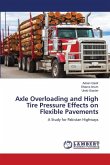
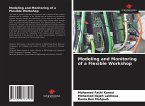

The so-called pre-mixed mixture that covers the sidewalk is a cold mix made up of graded mineral aggregate, filler material, spread asphalt emulsion and cold compression. The aim was to compare the addition of 3%, 4% and 5% rubber from discarded tires in relation to the total mass of mineral aggregates, using the mixture without the addition of rubber as a reference. The methodology used was based on a cold pre-mix range, where the specimens were produced in the laboratory with cationic asphalt emulsion, the additions were defined and analyzed after the Cold Marshall Dosing test. The results showed that the mix with the addition of 3% ground rubber had: the lowest void ratio, the lowest creep, the highest Marshall stability, the highest apparent density, the highest bitumen to voids ratio and the lowest asphalt emulsion content. On the other hand, the mixes with 4% and 5% ground rubber showed results above those specified in the DNER ME 107 standard, and did not meet the conditions of the standards in force. It can be concluded that the mix with the addition of 3% rubber was the only one that met the regulatory requirements.