This one-of-a-kind, "how to" guide is designed to help Indigenous and Students of Color (ISOC) to thrive in post-secondary education. It spotlights the personal and cultural capital ISOCs bring with them on their postsecondary educational journey. This book helps students identify, strengthen, and use these assets so that success in higher education is not only possible but inevitable. Written by faculty and administrators of color, from a wide range of backgrounds and experiences, this guide contains insider advice and strategies to help ISOCs successfully navigate the challenges they might…mehr
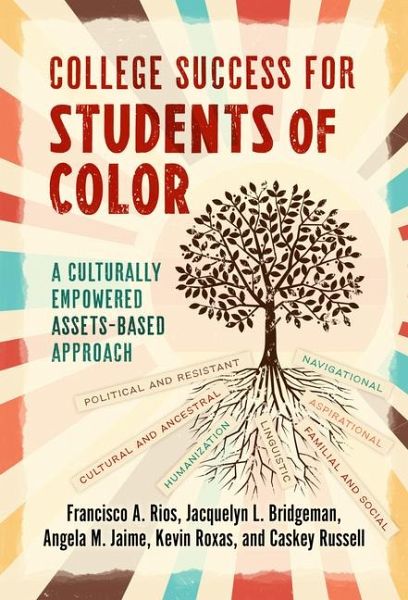
This one-of-a-kind, "how to" guide is designed to help Indigenous and Students of Color (ISOC) to thrive in post-secondary education. It spotlights the personal and cultural capital ISOCs bring with them on their postsecondary educational journey. This book helps students identify, strengthen, and use these assets so that success in higher education is not only possible but inevitable. Written by faculty and administrators of color, from a wide range of backgrounds and experiences, this guide contains insider advice and strategies to help ISOCs successfully navigate the challenges they might face wherever their postsecondary journey takes them. Through stories and relatable vignettes that help readers envision themselves in the book, this easy-to-use, interactive resource includes features such as Professional Tips, Think Alone/Think Together discussion prompts, and skill-building end-of -chapter activities that help students to develop their assets and hone their skills. Designed to help ISOCs thrive in post-secondary education as their full, authentic selves, this book is a guide that can be returned to at any point along one's postsecondary journey. Book Features: * Perspectives, ideas, and advice that address the unique experiences that Indigenous and Students of Color are likely to have in post-secondary institutions. * Written collaboratively by a diverse group of faculty and administrators of color representing a variety of academic disciplines including law, education, ethnic and women studies, and English. * A user-friendly format that students can easily navigate to address their needs as they plan and attend post-secondary education. * Appropriate for students attending or considering a variety of postsecondary options, including technical schools, community college, or a 4-year college or university.
Francisco A. Rios is professor and dean emeritus of Woodring College of Education, Western Washington University. Jacquelyn L. Bridgeman is Kepler Professor of Law at the University of Wyoming. Angela M. Jaime is vice provost Indigenous engagement and professor at the University of Saskatchewan. Kevin Roxas is a professor and dean of Woodring College of Education, Western Washington University. Caskey Russell is a professor and dean of Fairhaven College, Western Washington University.
Inhaltsangabe
* Contents * Preface: Preparing for the Journey Ahead xiii Why We Wrote This Book xiii * Acknowledgments xv * Prologue: Beginning Your Journey 1 * 1. Introduction: Taking Your Initial Steps 3 The Value of a Postsecondary Degree: Why You Should Read This Book 3 Educational Attainment for People of Color 4 Getting the Most From This Book 6 Terminology Around Race and Ethnicity 8 Other Terms of Note 12 * 2. An Assets-Based Approach: Thriving in Postsecondary Education 14 Introduction to an Assets-Based Approach 15 You Have Assets 16 Our Communities Have Wealth 17 A Note About Theory 19 Deficit-Oriented Versus Asset-Oriented Theories 21 Cultural Capital: An Assets-Based Approach 21 Community Cultural Wealth 24 Using Community Cultural Wealth to Organize This Book: An Overview of What's to Come 27 * 3. Aspirational Capital: Pursuing Your Dreams 32 Introduction to Aspirational Capital 33 Exploring Aspirational Capital 33 Introduction to the Authors 35 Career Choices and Choosing a Major 44 Types of Colleges and Universities 45 Planning for Your Future by Choosing the Right Institution for You 48 Ready to Apply? 51 Pulling the Application Together 54 Financial Planning 55 End of Chapter Activity: Draft and Write the Application Essay 59 * 4. Cultural (and Ancestral) Capital: Being Your Authentic Self 60 Introduction to Cultural (and Ancestral) Capital 61 Exploring Cultural Capital 62 A Caution About Culture, Race, and Ethnicity 68 A Note About Intersectionality 69 Honoring Your Cultural Assets 70 Ancestral Capital 72 Identifying Your Cultural Assets 72 Your Cultural Capital: Pitfalls and Caveats 73 Understanding the Foundations of Racism 74 Strengthening Your Cultural and Ancestral Assets 79 End of Chapter Activity: Finding Your Cultural Assets 86 * 5. Linguistic Capital: Valuing Your Language(s) 88 Introduction to Linguistic Capital 89 Exploring Linguistic Capital 91 Your Linguistic Assets 95 Identifying Your Linguistic Assets 96 Your Linguistic Capital: Pitfalls and Caveats 97 Strengthening Your Linguistic Assets 101 End of Chapter Activity: Building Your Linguistic Assets 104 * 6. Familial and Social Capital: Walking the Path . . . Together 105 Introduction to Familial and Social Capital 107 Exploring Familial Capital 108 Exploring Social Capital 111 The Importance of Familial and Social Capital in Postsecondary Education Settings 114 Your Familial and Social Capital: Pitfalls and Caveats 117 Ideas for Strengthening and Effectively Using Familial and Social Capital 121 End of Chapter Activity: Recognizing and Strengthening Your Familial and Social Capital 125 * 7. Political and Resistance Capital: Speaking Truth to Power 128 Introduction to Political and Resistance Capital 129 Exploring Political Capital 130 Exploring Resistance Capital 132 Your Political and Resistance Capital: Pitfalls and Caveats 134 Strategies for Strengthening Your Political and Resistance Capital 135 End of Chapter Activity: Build Your Knowledge to Increase Your Power 139 * 8. Navigational Capital: Making the Strange Familiar 141 Introduction to Navigational Capital 142 Exploring Navigational Capital 143 Starting With the Basics 144 People You Will Most Likely Interact With at the University 146 What Does the Institution Do for ISOCs? 152 As Former ISOCs, What We Wish We Had Known When We Started College 156 Communicating With Professors 158 Other Important Sources of Navigational Capital 164 End of Chapter Activity: Reverse Navigating Your Dreams 166 * 9. Humanization Capital: Striving and Thriving 168 Introduction to Humanization Capital 169 Exploring Humanization Capital 170 Keys to Surviving: Using and Building Humanization Capital 172 Your Humanization Capital: Pitfalls and Caveats 174 Don't Just Survive, Thrive 175 End of Chapter Activity: Create Your Proactive Wellness Plan 178 * Conclusion: Putting It All Together—Honoring Your Assets 180 Our Parting Words 181 * An Open Letter to Faculty, Staff, and Advisors on Supporting Indigenous Students and Students of Color 183 * Glossary of Terms 187 * References 193 * Index 197 * About the Authors 203
* Contents * Preface: Preparing for the Journey Ahead xiii Why We Wrote This Book xiii * Acknowledgments xv * Prologue: Beginning Your Journey 1 * 1. Introduction: Taking Your Initial Steps 3 The Value of a Postsecondary Degree: Why You Should Read This Book 3 Educational Attainment for People of Color 4 Getting the Most From This Book 6 Terminology Around Race and Ethnicity 8 Other Terms of Note 12 * 2. An Assets-Based Approach: Thriving in Postsecondary Education 14 Introduction to an Assets-Based Approach 15 You Have Assets 16 Our Communities Have Wealth 17 A Note About Theory 19 Deficit-Oriented Versus Asset-Oriented Theories 21 Cultural Capital: An Assets-Based Approach 21 Community Cultural Wealth 24 Using Community Cultural Wealth to Organize This Book: An Overview of What's to Come 27 * 3. Aspirational Capital: Pursuing Your Dreams 32 Introduction to Aspirational Capital 33 Exploring Aspirational Capital 33 Introduction to the Authors 35 Career Choices and Choosing a Major 44 Types of Colleges and Universities 45 Planning for Your Future by Choosing the Right Institution for You 48 Ready to Apply? 51 Pulling the Application Together 54 Financial Planning 55 End of Chapter Activity: Draft and Write the Application Essay 59 * 4. Cultural (and Ancestral) Capital: Being Your Authentic Self 60 Introduction to Cultural (and Ancestral) Capital 61 Exploring Cultural Capital 62 A Caution About Culture, Race, and Ethnicity 68 A Note About Intersectionality 69 Honoring Your Cultural Assets 70 Ancestral Capital 72 Identifying Your Cultural Assets 72 Your Cultural Capital: Pitfalls and Caveats 73 Understanding the Foundations of Racism 74 Strengthening Your Cultural and Ancestral Assets 79 End of Chapter Activity: Finding Your Cultural Assets 86 * 5. Linguistic Capital: Valuing Your Language(s) 88 Introduction to Linguistic Capital 89 Exploring Linguistic Capital 91 Your Linguistic Assets 95 Identifying Your Linguistic Assets 96 Your Linguistic Capital: Pitfalls and Caveats 97 Strengthening Your Linguistic Assets 101 End of Chapter Activity: Building Your Linguistic Assets 104 * 6. Familial and Social Capital: Walking the Path . . . Together 105 Introduction to Familial and Social Capital 107 Exploring Familial Capital 108 Exploring Social Capital 111 The Importance of Familial and Social Capital in Postsecondary Education Settings 114 Your Familial and Social Capital: Pitfalls and Caveats 117 Ideas for Strengthening and Effectively Using Familial and Social Capital 121 End of Chapter Activity: Recognizing and Strengthening Your Familial and Social Capital 125 * 7. Political and Resistance Capital: Speaking Truth to Power 128 Introduction to Political and Resistance Capital 129 Exploring Political Capital 130 Exploring Resistance Capital 132 Your Political and Resistance Capital: Pitfalls and Caveats 134 Strategies for Strengthening Your Political and Resistance Capital 135 End of Chapter Activity: Build Your Knowledge to Increase Your Power 139 * 8. Navigational Capital: Making the Strange Familiar 141 Introduction to Navigational Capital 142 Exploring Navigational Capital 143 Starting With the Basics 144 People You Will Most Likely Interact With at the University 146 What Does the Institution Do for ISOCs? 152 As Former ISOCs, What We Wish We Had Known When We Started College 156 Communicating With Professors 158 Other Important Sources of Navigational Capital 164 End of Chapter Activity: Reverse Navigating Your Dreams 166 * 9. Humanization Capital: Striving and Thriving 168 Introduction to Humanization Capital 169 Exploring Humanization Capital 170 Keys to Surviving: Using and Building Humanization Capital 172 Your Humanization Capital: Pitfalls and Caveats 174 Don't Just Survive, Thrive 175 End of Chapter Activity: Create Your Proactive Wellness Plan 178 * Conclusion: Putting It All Together—Honoring Your Assets 180 Our Parting Words 181 * An Open Letter to Faculty, Staff, and Advisors on Supporting Indigenous Students and Students of Color 183 * Glossary of Terms 187 * References 193 * Index 197 * About the Authors 203
Es gelten unsere Allgemeinen Geschäftsbedingungen: www.buecher.de/agb
Impressum
www.buecher.de ist ein Internetauftritt der buecher.de internetstores GmbH
Geschäftsführung: Monica Sawhney | Roland Kölbl | Günter Hilger
Sitz der Gesellschaft: Batheyer Straße 115 - 117, 58099 Hagen
Postanschrift: Bürgermeister-Wegele-Str. 12, 86167 Augsburg
Amtsgericht Hagen HRB 13257
Steuernummer: 321/5800/1497
USt-IdNr: DE450055826