

Andere Kunden interessierten sich auch für
 The Coming Decline22,99 €
 Markets and Prosperity31,99 €
 The Coming of New Industrial State68,99 €
 How to Survive the Coming Retirement Storm18,99 €
 Coming to Terms24,99 €
 The Coming Crisis in Accounting69,99 €
 Ushering in This Coming Move of God through Praise and Worship13,99 €






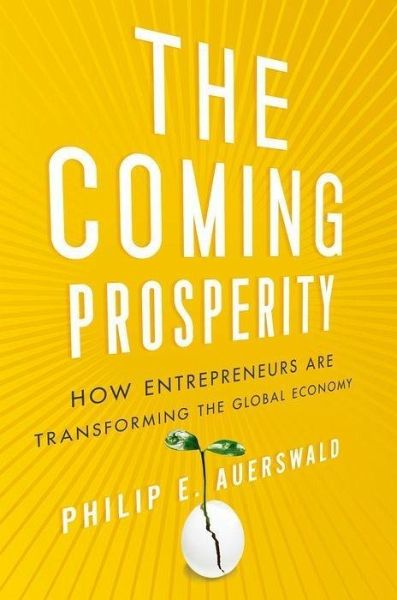
Over the course of the next 25 years, it is estimated that nearly eighty percent of global economic growth will originate in previously poor places. Large countries with burgeoning populations such as China, India, and Brazil have economies that have exponentionally grown over the last few decades, and projections indicate that they will continue to do so for some time to come. While the challenge that this 'rise of the rest' poses to the United States' current economic hegemony has risen concern amongst economists and businesses. In The Coming Prosperity, Philip Auerswald argues that the introduction of the majority of the world's population into the global economy should be considered a source of opportunity. As technology spreads and communication between populations improves, more people will have a greater opportunity to create economic value for themselves and society than ever before. Auerswald asserts that the success of integrating developing populations and societies into the global economy lies with the entrepreneur. Inventors, innovators, and the creators of new ventures form the basis for future economic prosperity, and in the developing world, where new technologies and global knowledge networks are being introduced, the opportunities afforded to entrepreneurs are rapidly becoming available. Auerswald links personal, social entrepreneurship narratives with a more global movement, in which developing economies are not threats to the world's stability, but rather unique opportunities to discover new pathways toward progress and the coming prosperity.
Ours is the most dynamic era in human history. The benefits of four centuries of technological and organizational change are at last reaching a previously excluded global majority. This transformation will create large-scale opportunities in richer countries like the United States just as it has in poorer countries now in the ascent. In The Coming Prosperity, Philip E. Auerswald argues that it is time to overcome the outdated narratives of fear that dominate public discourse and to grasp the powerful momentum of progress. Acknowledging the gravity of today's greatest global challenges--like climate change, water scarcity, and rapid urbanization--Auerswald emphasizes that the choices we make today will determine the extent and reach of the coming prosperity. To make the most of this epochal transition, he writes, the key is entrepreneurship. Entrepreneurs introduce new products and services, expand the range of global knowledge networks, and, most importantly, challenge established business interests, maintaining the vitality of mature capitalist economies and enhancing the viability of emerging ones. Auerswald frames narratives of inspiring entrepreneurs within the sweep of human history. The book's deft analysis of economic trends is enlivened by stories of entrepreneurs making an outsize difference in their communities and the world--people like Karim Khoja, who led the creation of the first mobile phone company in Afghanistan; Leila Janah, who is bringing digital-age opportunity to talented people trapped in refugee camps; and Victoria Hale, whose non-profit pharmaceutical company turned an orphan drug into a cure for black fever. Engagingly written and bracingly realistic about the prospects of our historical moment, The Coming Prosperity disarms the current narratives of fear and brings to light the vast new opportunities in the expanding global economy.
Ours is the most dynamic era in human history. The benefits of four centuries of technological and organizational change are at last reaching a previously excluded global majority. This transformation will create large-scale opportunities in richer countries like the United States just as it has in poorer countries now in the ascent. In The Coming Prosperity, Philip E. Auerswald argues that it is time to overcome the outdated narratives of fear that dominate public discourse and to grasp the powerful momentum of progress. Acknowledging the gravity of today's greatest global challenges--like climate change, water scarcity, and rapid urbanization--Auerswald emphasizes that the choices we make today will determine the extent and reach of the coming prosperity. To make the most of this epochal transition, he writes, the key is entrepreneurship. Entrepreneurs introduce new products and services, expand the range of global knowledge networks, and, most importantly, challenge established business interests, maintaining the vitality of mature capitalist economies and enhancing the viability of emerging ones. Auerswald frames narratives of inspiring entrepreneurs within the sweep of human history. The book's deft analysis of economic trends is enlivened by stories of entrepreneurs making an outsize difference in their communities and the world--people like Karim Khoja, who led the creation of the first mobile phone company in Afghanistan; Leila Janah, who is bringing digital-age opportunity to talented people trapped in refugee camps; and Victoria Hale, whose non-profit pharmaceutical company turned an orphan drug into a cure for black fever. Engagingly written and bracingly realistic about the prospects of our historical moment, The Coming Prosperity disarms the current narratives of fear and brings to light the vast new opportunities in the expanding global economy.