
Andere Kunden interessierten sich auch für
") Commentaries on the Constitution of the United States Vol. III (in three volumes)33,99 €
Commentaries on the Constitution of the United States Vol. III (in three volumes)33,99 €") Commentaries on the Constitution of the United States Vol. I (in three volumes)28,99 €
Commentaries on the Constitution of the United States Vol. I (in three volumes)28,99 €") Commentaries on the Constitution of the United States Vol. II (in three volumes)45,99 €
Commentaries on the Constitution of the United States Vol. II (in three volumes)45,99 €") Commentaries on the Constitution of the United States Vol. II (in three volumes)31,99 €
Commentaries on the Constitution of the United States Vol. II (in three volumes)31,99 €") Commentaries on the Constitution of the United States Vol. I (in three volumes)45,99 €
Commentaries on the Constitution of the United States Vol. I (in three volumes)45,99 €") Commentaries on the Constitution of the United States Vol. III (in three volumes)53,99 €
Commentaries on the Constitution of the United States Vol. III (in three volumes)53,99 € Commentaries on the Constitution of the United States58,99 €
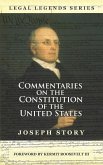
"I have finished reading this great work Commentaries on the Constitution of the United States, and wish it could be read by every statesman, and every would-be statesman in the United States. It is a comprehensive and an accurate commentary on our Constitution, formed in the spirit of the original text." -Chief Justice John Marshall (1833) Commentaries on the Constitution of the United States-with a Preliminary Review of the Constitutional History of the Colonies and States Before the Adoption of the Constitution-Abridged by the Author for the Use of Colleges and High Schools was an abridgment by Supreme Court Justice Joseph Story of his own previously published three-volume work of 1833. Because this abridgment was required reading at many colleges, it became more popular than the original landmark of early American jurisprudence, which is still an important source about the forming of the American republic and about Story's defense of the power of the national government and economic liberty.