
Theo Araujo, Peter NeijensFundamental Insights from the Amsterdam School of Communication Research
Communication Research into the Digital Society
Fundamental Insights from the Amsterdam School of Communication Research
Herausgeber: Araujo, Theo; Neijens, Peter
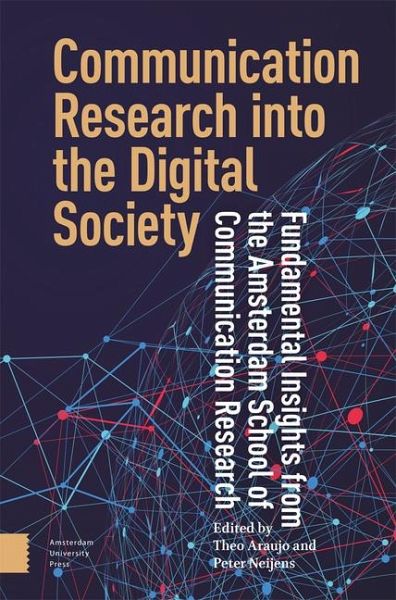
Theo Araujo, Peter NeijensFundamental Insights from the Amsterdam School of Communication Research
Communication Research into the Digital Society
Fundamental Insights from the Amsterdam School of Communication Research
Herausgeber: Araujo, Theo; Neijens, Peter
- Broschiertes Buch
- Merkliste
- Auf die Merkliste
- Bewerten Bewerten
- Teilen
- Produkt teilen
- Produkterinnerung
- Produkterinnerung
This book provides a broad overview of the ways in which people create, use, and experience their media environment, and the role of media and communication for individuals, organisations, and society. The chapters in the book were written by researchers from the Amsterdam School of Communication Research (ASCoR) on the occasion of its 25th anniversary.
This book provides a broad overview of the ways in which people create, use, and experience their media environment, and the role of media and communication for individuals, organisations, and society. The chapters in the book were written by researchers from the Amsterdam School of Communication Research (ASCoR) on the occasion of its 25th anniversary.
Produktdetails
- Produktdetails
- Verlag: Routledge
- Seitenzahl: 274
- Erscheinungstermin: 2. Februar 2024
- Englisch
- Abmessung: 234mm x 156mm x 15mm
- Gewicht: 421g
- ISBN-13: 9789048560592
- ISBN-10: 9048560594
- Artikelnr.: 70005998
- Herstellerkennzeichnung
- Libri GmbH
- Europaallee 1
- 36244 Bad Hersfeld
- gpsr@libri.de
- Verlag: Routledge
- Seitenzahl: 274
- Erscheinungstermin: 2. Februar 2024
- Englisch
- Abmessung: 234mm x 156mm x 15mm
- Gewicht: 421g
- ISBN-13: 9789048560592
- ISBN-10: 9048560594
- Artikelnr.: 70005998
- Herstellerkennzeichnung
- Libri GmbH
- Europaallee 1
- 36244 Bad Hersfeld
- gpsr@libri.de
Theo Araujo is a Full Professor of Media, Organisations and Society, and Scientific Director of ASCoR. His research investigates the dynamic interplay between media and organizations, and what it means for society, with a special focus on trust and technology. His research has also a methodological focus on computational communication science and the implementation of large-scale data collection and analysis for communication research. Peter Neijens is an Honorary Fellow and Emeritus Professor at ASCoR. He held the Chair in Media and Persuasion at the University of Amsterdam until 2019. His research focuses on persuasive communication, in particular media use and effects in advertising and public opinion.
PREFACE
PART 1 ASCoR 25 YEARS
Chapter 1 How international
national
and local research strategies shaped ASCoR's history in its first 25 years - Peter Neijens
Sandra Zwier
Claes de Vreese
Jochen Peter
Rens Vliegenthart and Theo Araujo
Chapter 2 How technological and societal developments shaped the agenda of ASCoR - Peter Neijens and Patti Valkenburg
PART II EMPIRICAL FINDINGS AND THEORETICAL INSIGHTS
Political Communication & Journalism
Chapter 3 Communicating delegitimisation. Political information and challenges to democracy - Michael Hameleers
Emily Gravesteijn
Linda Bos and Alessandro Nai
Chapter 4 Disenchantment with political information: Attitudes
processes and effects - Alessandro Nai
Susan Vermeer
Linda Bos and Michael Hameleers
Youth & Media Entertainment
Chapter 5 Youth and the digital society - Jessica Taylor Piotrowski
Chapter 6 The Media Entertainment Success Cycle - Jeroen S. Lemmens
Corporate Communication
Chapter 7 Organisations
media
and society (Toni G.L.A. van der Meer
Christian Burgers
Sandra H.J. Jacobs
Pytrik Schafraad and Mark Boukes
Chapter 8 Contested issues and organisations: Media debates about sustainability and diversity - Anke Wonneberger
Anne Kroon
Linda van den Heijkant
Christel van Eck and Jeroen Jonkman
Persuasive Communication
Chapter 9 Tailored health communication in a digital world - Eline S. Smit
Annemiek J. Linn
Minh Hao Nguyen
Adriana Solovei
Melanie de Looper and Julia C.M. van Weert
Chapter 10 The importance of consumer empowerment in dealing with digital persuasion - Edith G. Smit and Eva A. van Reijmersdal
Chapter 11 Persuasion in an algorithmic context - Guda van Noort
Hilde Voorveld and Joanna Strycharz
Cross-cutting topics
Chapter 12 Human-machine communication - Jochen Peter
Theo Araujo
Carolin Ischen
Sonia Jawaid Shaikh
Margot J. van der Goot and Caroline L. van Straten
Chapter 13 How Artificial Intelligence is changing ASCoR's research - Claes de Vreese
Chapter 14 Person-specific media effects - Patti M. Valkenburg
Ine Beyens
Nadia Bij de Vaate
Loes Janssen and Amber van der Wal
Chapter 15 Computational communication science in a digital society - Damian Trilling
Theo Araujo
Anne Kroon
A. Marthe Möller
Joanna Strycharz and Susan Vermeer
Chapter 16 Communication as a social system - The work of Loet Leydesdorff - Wouter de Nooy and Iina Hellsten
NOTES ON THE EDITORS AND CONTRIBUTORS.
PART 1 ASCoR 25 YEARS
Chapter 1 How international
national
and local research strategies shaped ASCoR's history in its first 25 years - Peter Neijens
Sandra Zwier
Claes de Vreese
Jochen Peter
Rens Vliegenthart and Theo Araujo
Chapter 2 How technological and societal developments shaped the agenda of ASCoR - Peter Neijens and Patti Valkenburg
PART II EMPIRICAL FINDINGS AND THEORETICAL INSIGHTS
Political Communication & Journalism
Chapter 3 Communicating delegitimisation. Political information and challenges to democracy - Michael Hameleers
Emily Gravesteijn
Linda Bos and Alessandro Nai
Chapter 4 Disenchantment with political information: Attitudes
processes and effects - Alessandro Nai
Susan Vermeer
Linda Bos and Michael Hameleers
Youth & Media Entertainment
Chapter 5 Youth and the digital society - Jessica Taylor Piotrowski
Chapter 6 The Media Entertainment Success Cycle - Jeroen S. Lemmens
Corporate Communication
Chapter 7 Organisations
media
and society (Toni G.L.A. van der Meer
Christian Burgers
Sandra H.J. Jacobs
Pytrik Schafraad and Mark Boukes
Chapter 8 Contested issues and organisations: Media debates about sustainability and diversity - Anke Wonneberger
Anne Kroon
Linda van den Heijkant
Christel van Eck and Jeroen Jonkman
Persuasive Communication
Chapter 9 Tailored health communication in a digital world - Eline S. Smit
Annemiek J. Linn
Minh Hao Nguyen
Adriana Solovei
Melanie de Looper and Julia C.M. van Weert
Chapter 10 The importance of consumer empowerment in dealing with digital persuasion - Edith G. Smit and Eva A. van Reijmersdal
Chapter 11 Persuasion in an algorithmic context - Guda van Noort
Hilde Voorveld and Joanna Strycharz
Cross-cutting topics
Chapter 12 Human-machine communication - Jochen Peter
Theo Araujo
Carolin Ischen
Sonia Jawaid Shaikh
Margot J. van der Goot and Caroline L. van Straten
Chapter 13 How Artificial Intelligence is changing ASCoR's research - Claes de Vreese
Chapter 14 Person-specific media effects - Patti M. Valkenburg
Ine Beyens
Nadia Bij de Vaate
Loes Janssen and Amber van der Wal
Chapter 15 Computational communication science in a digital society - Damian Trilling
Theo Araujo
Anne Kroon
A. Marthe Möller
Joanna Strycharz and Susan Vermeer
Chapter 16 Communication as a social system - The work of Loet Leydesdorff - Wouter de Nooy and Iina Hellsten
NOTES ON THE EDITORS AND CONTRIBUTORS.
PREFACE
PART 1 ASCoR 25 YEARS
Chapter 1 How international
national
and local research strategies shaped ASCoR's history in its first 25 years - Peter Neijens
Sandra Zwier
Claes de Vreese
Jochen Peter
Rens Vliegenthart and Theo Araujo
Chapter 2 How technological and societal developments shaped the agenda of ASCoR - Peter Neijens and Patti Valkenburg
PART II EMPIRICAL FINDINGS AND THEORETICAL INSIGHTS
Political Communication & Journalism
Chapter 3 Communicating delegitimisation. Political information and challenges to democracy - Michael Hameleers
Emily Gravesteijn
Linda Bos and Alessandro Nai
Chapter 4 Disenchantment with political information: Attitudes
processes and effects - Alessandro Nai
Susan Vermeer
Linda Bos and Michael Hameleers
Youth & Media Entertainment
Chapter 5 Youth and the digital society - Jessica Taylor Piotrowski
Chapter 6 The Media Entertainment Success Cycle - Jeroen S. Lemmens
Corporate Communication
Chapter 7 Organisations
media
and society (Toni G.L.A. van der Meer
Christian Burgers
Sandra H.J. Jacobs
Pytrik Schafraad and Mark Boukes
Chapter 8 Contested issues and organisations: Media debates about sustainability and diversity - Anke Wonneberger
Anne Kroon
Linda van den Heijkant
Christel van Eck and Jeroen Jonkman
Persuasive Communication
Chapter 9 Tailored health communication in a digital world - Eline S. Smit
Annemiek J. Linn
Minh Hao Nguyen
Adriana Solovei
Melanie de Looper and Julia C.M. van Weert
Chapter 10 The importance of consumer empowerment in dealing with digital persuasion - Edith G. Smit and Eva A. van Reijmersdal
Chapter 11 Persuasion in an algorithmic context - Guda van Noort
Hilde Voorveld and Joanna Strycharz
Cross-cutting topics
Chapter 12 Human-machine communication - Jochen Peter
Theo Araujo
Carolin Ischen
Sonia Jawaid Shaikh
Margot J. van der Goot and Caroline L. van Straten
Chapter 13 How Artificial Intelligence is changing ASCoR's research - Claes de Vreese
Chapter 14 Person-specific media effects - Patti M. Valkenburg
Ine Beyens
Nadia Bij de Vaate
Loes Janssen and Amber van der Wal
Chapter 15 Computational communication science in a digital society - Damian Trilling
Theo Araujo
Anne Kroon
A. Marthe Möller
Joanna Strycharz and Susan Vermeer
Chapter 16 Communication as a social system - The work of Loet Leydesdorff - Wouter de Nooy and Iina Hellsten
NOTES ON THE EDITORS AND CONTRIBUTORS.
PART 1 ASCoR 25 YEARS
Chapter 1 How international
national
and local research strategies shaped ASCoR's history in its first 25 years - Peter Neijens
Sandra Zwier
Claes de Vreese
Jochen Peter
Rens Vliegenthart and Theo Araujo
Chapter 2 How technological and societal developments shaped the agenda of ASCoR - Peter Neijens and Patti Valkenburg
PART II EMPIRICAL FINDINGS AND THEORETICAL INSIGHTS
Political Communication & Journalism
Chapter 3 Communicating delegitimisation. Political information and challenges to democracy - Michael Hameleers
Emily Gravesteijn
Linda Bos and Alessandro Nai
Chapter 4 Disenchantment with political information: Attitudes
processes and effects - Alessandro Nai
Susan Vermeer
Linda Bos and Michael Hameleers
Youth & Media Entertainment
Chapter 5 Youth and the digital society - Jessica Taylor Piotrowski
Chapter 6 The Media Entertainment Success Cycle - Jeroen S. Lemmens
Corporate Communication
Chapter 7 Organisations
media
and society (Toni G.L.A. van der Meer
Christian Burgers
Sandra H.J. Jacobs
Pytrik Schafraad and Mark Boukes
Chapter 8 Contested issues and organisations: Media debates about sustainability and diversity - Anke Wonneberger
Anne Kroon
Linda van den Heijkant
Christel van Eck and Jeroen Jonkman
Persuasive Communication
Chapter 9 Tailored health communication in a digital world - Eline S. Smit
Annemiek J. Linn
Minh Hao Nguyen
Adriana Solovei
Melanie de Looper and Julia C.M. van Weert
Chapter 10 The importance of consumer empowerment in dealing with digital persuasion - Edith G. Smit and Eva A. van Reijmersdal
Chapter 11 Persuasion in an algorithmic context - Guda van Noort
Hilde Voorveld and Joanna Strycharz
Cross-cutting topics
Chapter 12 Human-machine communication - Jochen Peter
Theo Araujo
Carolin Ischen
Sonia Jawaid Shaikh
Margot J. van der Goot and Caroline L. van Straten
Chapter 13 How Artificial Intelligence is changing ASCoR's research - Claes de Vreese
Chapter 14 Person-specific media effects - Patti M. Valkenburg
Ine Beyens
Nadia Bij de Vaate
Loes Janssen and Amber van der Wal
Chapter 15 Computational communication science in a digital society - Damian Trilling
Theo Araujo
Anne Kroon
A. Marthe Möller
Joanna Strycharz and Susan Vermeer
Chapter 16 Communication as a social system - The work of Loet Leydesdorff - Wouter de Nooy and Iina Hellsten
NOTES ON THE EDITORS AND CONTRIBUTORS.