

- Gebundenes Buch
- Merkliste
- Auf die Merkliste
- Bewerten Bewerten
- Teilen
- Produkt teilen
- Produkterinnerung
- Produkterinnerung
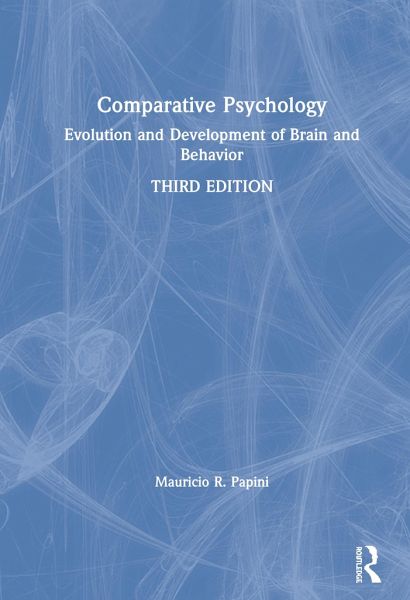
This revised third edition provides an up to date, comprehensive overview of the field of comparative psychology, integrating both evolutionary and developmental studies of brain and behavior. This book provides a unique combination of areas normally covered independently to satisfy the requirements of comparative psychology courses.
Andere Kunden interessierten sich auch für
 Winthrop John Leuven van OsterhoutExperiments With Plants37,99 €
 Jan IngenhouszExperiments Upon Vegetables: Discovering Their Great Power of Purifying the Common Air in the Sun-Shine, and of Injuring It in the Shade and at Nig34,99 €
 John WrightNorth American Botany: Comprising the Native and Common Cultivated Plants, North of Mexico. Genera Arranged According to the Artificial and N38,99 €
 Hugo De VriesPlant-Breeding: Comments On the Experiments of Nilsson and Burbank34,99 €
 Gilbert Joseph HenryResults of Experiments at Rothamsted25,99 €
 Burt Green WilderContibutions to the Comparative Myology of the Chimpanzee25,99 €
 Carroll Blaine CookGoin' Fishin': Weather and Feed Facts; the Fresh-Water Game Fish; the Natural and Artificial Baits and Their Use36,99 €
-
-
-






This revised third edition provides an up to date, comprehensive overview of the field of comparative psychology, integrating both evolutionary and developmental studies of brain and behavior. This book provides a unique combination of areas normally covered independently to satisfy the requirements of comparative psychology courses.
Produktdetails
- Produktdetails
- Verlag: Routledge
- 3. Auflage
- Seitenzahl: 560
- Erscheinungstermin: 21. Oktober 2020
- Englisch
- Abmessung: 260mm x 183mm x 34mm
- Gewicht: 1235g
- ISBN-13: 9781138788145
- ISBN-10: 1138788147
- Artikelnr.: 59997789
- Herstellerkennzeichnung
- Libri GmbH
- Europaallee 1
- 36244 Bad Hersfeld
- gpsr@libri.de
- Verlag: Routledge
- 3. Auflage
- Seitenzahl: 560
- Erscheinungstermin: 21. Oktober 2020
- Englisch
- Abmessung: 260mm x 183mm x 34mm
- Gewicht: 1235g
- ISBN-13: 9781138788145
- ISBN-10: 1138788147
- Artikelnr.: 59997789
- Herstellerkennzeichnung
- Libri GmbH
- Europaallee 1
- 36244 Bad Hersfeld
- gpsr@libri.de
Mauricio R. Papini is Professor of Psychology at Texas Christian University, USA. His work has centered on brain-behavior relationships in the area of incentive learning, but broader interests in the evolution and development of behavior led to the creation of this book.
1. Biological Evolution
1.1 Evidence for Evolution
1.2 Logic of Natural Selection
1.3 Origin and Preservation of Genetic Variability
1.4 Natural Selection
1.5 Glossary
1.6 References
2. Origin and Evolution of Animals
2.1 Diversity of Life
2.2 Geological Background
2.3 Origin and Evolution of Animals
2.4 Speciation
2.5 Grades and Clades
2.6 Glossary
2.7 References
3. Evo-devo, Brain, and Behavior
3.1 Definitions
3.2 Early Development
3.3 Development of the Vertebrate Nervous System
3.4 Development and evolution
3.5 Terminology
3.6 Behavior
3.7 Glossary
3.8 References
4. Simple Nervous Systems and Behavior
4.1 Invertebrate Phyla
4.2 Behavior and Simple Neural Networks
4.3 Behavioral and Neural Plasticity in Nonassociative Learning
4.4 Evolution of Learning Mechanisms in Mollusks
4.5 Glossary
4.6 References
5. Evolution of the Vertebrate Brain and Behavior
5.1 Key Innovations of Vertebrates
5.2 Comparative Neurology
5.3 Telencephalon
5.4 Brain Size
5.5 Glossary
5.6 References
Chapter 6: Fundamentals of Learning and Cognition
6.1 Definitions
6.2 Forms of Conditioning
6.3 Classical Conditioning
6.4 Instrumental Conditioning
6.5 Situational Generality of Associative Learning
6.6 Brain Mechanisms of Learning and Cognition: An Overview
6.7 Glossary
6.8 References
7. Comparative Analysis of Learning and Cognition
7.1 Comparative Methodology
7.2 Learning and Cognition in Invertebrates
7.3 Learning and Cognition as Adaptations
7.4 Learning, Cognition, and Phylogenetic History
7.5 Glossary
7.6 References
8. Higher Cognitive Processes
8.1 From Associative Learning to Cognition
8.2 From Concepts to Social Cognition
8.3 Mental Continuity and Discontinuity
8.4 Glossary
8.5 References
9. Early Learning and Behavior
9.1 Ontogenetic Transitions
9.2 Prenatal and Prehatching Behavior
9.3 Infant Behavior
9.4 Infant Learning
9.5 Development of Complex Behavior
9.6 Glossary
9.7 References
10. Early Social Learning and Behavior
10.1 From Individual to Social Behavior
10.2 Imprinting
10.3 Reproductive and Social Behavior
10.4 Development of Vocal Behavior
10.5 Glossary
10.6 References
11. Reproductive and Social Behavior
11.1 Reproductive Biology and Social Behavior
11.2 Mechanisms Underlying Social Behavior
11.3 Mating Systems
11.4 Patterns of Reproductive Behavior
11.5 Infant Care
11.6 Complex Animal Societies
11.7 Glossary
11.8 References
12. Brain, Behavior, and Evolution of Primates
12.1 What is a Primate?
12.2 The Primate Brain
12.3 Evolution of Language
12.4 Origin of Primates
12.5 Hominids
12.6 From Archaic to Modern Humans
12.7 Conclusion: From Oldowan Tools to Climate Change
12.8 Glossary
12.9 References
1.1 Evidence for Evolution
1.2 Logic of Natural Selection
1.3 Origin and Preservation of Genetic Variability
1.4 Natural Selection
1.5 Glossary
1.6 References
2. Origin and Evolution of Animals
2.1 Diversity of Life
2.2 Geological Background
2.3 Origin and Evolution of Animals
2.4 Speciation
2.5 Grades and Clades
2.6 Glossary
2.7 References
3. Evo-devo, Brain, and Behavior
3.1 Definitions
3.2 Early Development
3.3 Development of the Vertebrate Nervous System
3.4 Development and evolution
3.5 Terminology
3.6 Behavior
3.7 Glossary
3.8 References
4. Simple Nervous Systems and Behavior
4.1 Invertebrate Phyla
4.2 Behavior and Simple Neural Networks
4.3 Behavioral and Neural Plasticity in Nonassociative Learning
4.4 Evolution of Learning Mechanisms in Mollusks
4.5 Glossary
4.6 References
5. Evolution of the Vertebrate Brain and Behavior
5.1 Key Innovations of Vertebrates
5.2 Comparative Neurology
5.3 Telencephalon
5.4 Brain Size
5.5 Glossary
5.6 References
Chapter 6: Fundamentals of Learning and Cognition
6.1 Definitions
6.2 Forms of Conditioning
6.3 Classical Conditioning
6.4 Instrumental Conditioning
6.5 Situational Generality of Associative Learning
6.6 Brain Mechanisms of Learning and Cognition: An Overview
6.7 Glossary
6.8 References
7. Comparative Analysis of Learning and Cognition
7.1 Comparative Methodology
7.2 Learning and Cognition in Invertebrates
7.3 Learning and Cognition as Adaptations
7.4 Learning, Cognition, and Phylogenetic History
7.5 Glossary
7.6 References
8. Higher Cognitive Processes
8.1 From Associative Learning to Cognition
8.2 From Concepts to Social Cognition
8.3 Mental Continuity and Discontinuity
8.4 Glossary
8.5 References
9. Early Learning and Behavior
9.1 Ontogenetic Transitions
9.2 Prenatal and Prehatching Behavior
9.3 Infant Behavior
9.4 Infant Learning
9.5 Development of Complex Behavior
9.6 Glossary
9.7 References
10. Early Social Learning and Behavior
10.1 From Individual to Social Behavior
10.2 Imprinting
10.3 Reproductive and Social Behavior
10.4 Development of Vocal Behavior
10.5 Glossary
10.6 References
11. Reproductive and Social Behavior
11.1 Reproductive Biology and Social Behavior
11.2 Mechanisms Underlying Social Behavior
11.3 Mating Systems
11.4 Patterns of Reproductive Behavior
11.5 Infant Care
11.6 Complex Animal Societies
11.7 Glossary
11.8 References
12. Brain, Behavior, and Evolution of Primates
12.1 What is a Primate?
12.2 The Primate Brain
12.3 Evolution of Language
12.4 Origin of Primates
12.5 Hominids
12.6 From Archaic to Modern Humans
12.7 Conclusion: From Oldowan Tools to Climate Change
12.8 Glossary
12.9 References
1. Biological Evolution
1.1 Evidence for Evolution
1.2 Logic of Natural Selection
1.3 Origin and Preservation of Genetic Variability
1.4 Natural Selection
1.5 Glossary
1.6 References
2. Origin and Evolution of Animals
2.1 Diversity of Life
2.2 Geological Background
2.3 Origin and Evolution of Animals
2.4 Speciation
2.5 Grades and Clades
2.6 Glossary
2.7 References
3. Evo-devo, Brain, and Behavior
3.1 Definitions
3.2 Early Development
3.3 Development of the Vertebrate Nervous System
3.4 Development and evolution
3.5 Terminology
3.6 Behavior
3.7 Glossary
3.8 References
4. Simple Nervous Systems and Behavior
4.1 Invertebrate Phyla
4.2 Behavior and Simple Neural Networks
4.3 Behavioral and Neural Plasticity in Nonassociative Learning
4.4 Evolution of Learning Mechanisms in Mollusks
4.5 Glossary
4.6 References
5. Evolution of the Vertebrate Brain and Behavior
5.1 Key Innovations of Vertebrates
5.2 Comparative Neurology
5.3 Telencephalon
5.4 Brain Size
5.5 Glossary
5.6 References
Chapter 6: Fundamentals of Learning and Cognition
6.1 Definitions
6.2 Forms of Conditioning
6.3 Classical Conditioning
6.4 Instrumental Conditioning
6.5 Situational Generality of Associative Learning
6.6 Brain Mechanisms of Learning and Cognition: An Overview
6.7 Glossary
6.8 References
7. Comparative Analysis of Learning and Cognition
7.1 Comparative Methodology
7.2 Learning and Cognition in Invertebrates
7.3 Learning and Cognition as Adaptations
7.4 Learning, Cognition, and Phylogenetic History
7.5 Glossary
7.6 References
8. Higher Cognitive Processes
8.1 From Associative Learning to Cognition
8.2 From Concepts to Social Cognition
8.3 Mental Continuity and Discontinuity
8.4 Glossary
8.5 References
9. Early Learning and Behavior
9.1 Ontogenetic Transitions
9.2 Prenatal and Prehatching Behavior
9.3 Infant Behavior
9.4 Infant Learning
9.5 Development of Complex Behavior
9.6 Glossary
9.7 References
10. Early Social Learning and Behavior
10.1 From Individual to Social Behavior
10.2 Imprinting
10.3 Reproductive and Social Behavior
10.4 Development of Vocal Behavior
10.5 Glossary
10.6 References
11. Reproductive and Social Behavior
11.1 Reproductive Biology and Social Behavior
11.2 Mechanisms Underlying Social Behavior
11.3 Mating Systems
11.4 Patterns of Reproductive Behavior
11.5 Infant Care
11.6 Complex Animal Societies
11.7 Glossary
11.8 References
12. Brain, Behavior, and Evolution of Primates
12.1 What is a Primate?
12.2 The Primate Brain
12.3 Evolution of Language
12.4 Origin of Primates
12.5 Hominids
12.6 From Archaic to Modern Humans
12.7 Conclusion: From Oldowan Tools to Climate Change
12.8 Glossary
12.9 References
1.1 Evidence for Evolution
1.2 Logic of Natural Selection
1.3 Origin and Preservation of Genetic Variability
1.4 Natural Selection
1.5 Glossary
1.6 References
2. Origin and Evolution of Animals
2.1 Diversity of Life
2.2 Geological Background
2.3 Origin and Evolution of Animals
2.4 Speciation
2.5 Grades and Clades
2.6 Glossary
2.7 References
3. Evo-devo, Brain, and Behavior
3.1 Definitions
3.2 Early Development
3.3 Development of the Vertebrate Nervous System
3.4 Development and evolution
3.5 Terminology
3.6 Behavior
3.7 Glossary
3.8 References
4. Simple Nervous Systems and Behavior
4.1 Invertebrate Phyla
4.2 Behavior and Simple Neural Networks
4.3 Behavioral and Neural Plasticity in Nonassociative Learning
4.4 Evolution of Learning Mechanisms in Mollusks
4.5 Glossary
4.6 References
5. Evolution of the Vertebrate Brain and Behavior
5.1 Key Innovations of Vertebrates
5.2 Comparative Neurology
5.3 Telencephalon
5.4 Brain Size
5.5 Glossary
5.6 References
Chapter 6: Fundamentals of Learning and Cognition
6.1 Definitions
6.2 Forms of Conditioning
6.3 Classical Conditioning
6.4 Instrumental Conditioning
6.5 Situational Generality of Associative Learning
6.6 Brain Mechanisms of Learning and Cognition: An Overview
6.7 Glossary
6.8 References
7. Comparative Analysis of Learning and Cognition
7.1 Comparative Methodology
7.2 Learning and Cognition in Invertebrates
7.3 Learning and Cognition as Adaptations
7.4 Learning, Cognition, and Phylogenetic History
7.5 Glossary
7.6 References
8. Higher Cognitive Processes
8.1 From Associative Learning to Cognition
8.2 From Concepts to Social Cognition
8.3 Mental Continuity and Discontinuity
8.4 Glossary
8.5 References
9. Early Learning and Behavior
9.1 Ontogenetic Transitions
9.2 Prenatal and Prehatching Behavior
9.3 Infant Behavior
9.4 Infant Learning
9.5 Development of Complex Behavior
9.6 Glossary
9.7 References
10. Early Social Learning and Behavior
10.1 From Individual to Social Behavior
10.2 Imprinting
10.3 Reproductive and Social Behavior
10.4 Development of Vocal Behavior
10.5 Glossary
10.6 References
11. Reproductive and Social Behavior
11.1 Reproductive Biology and Social Behavior
11.2 Mechanisms Underlying Social Behavior
11.3 Mating Systems
11.4 Patterns of Reproductive Behavior
11.5 Infant Care
11.6 Complex Animal Societies
11.7 Glossary
11.8 References
12. Brain, Behavior, and Evolution of Primates
12.1 What is a Primate?
12.2 The Primate Brain
12.3 Evolution of Language
12.4 Origin of Primates
12.5 Hominids
12.6 From Archaic to Modern Humans
12.7 Conclusion: From Oldowan Tools to Climate Change
12.8 Glossary
12.9 References
1. Biological Evolution
1.1 Evidence for Evolution
1.2 Logic of Natural Selection
1.3 Origin and Preservation of Genetic Variability
1.4 Natural Selection
1.5 Glossary
1.6 References
2. Origin and Evolution of Animals
2.1 Diversity of Life
2.2 Geological Background
2.3 Origin and Evolution of Animals
2.4 Speciation
2.5 Grades and Clades
2.6 Glossary
2.7 References
3. Evo-devo, Brain, and Behavior
3.1 Definitions
3.2 Early Development
3.3 Development of the Vertebrate Nervous System
3.4 Development and evolution
3.5 Terminology
3.6 Behavior
3.7 Glossary
3.8 References
4. Simple Nervous Systems and Behavior
4.1 Invertebrate Phyla
4.2 Behavior and Simple Neural Networks
4.3 Behavioral and Neural Plasticity in Nonassociative Learning
4.4 Evolution of Learning Mechanisms in Mollusks
4.5 Glossary
4.6 References
5. Evolution of the Vertebrate Brain and Behavior
5.1 Key Innovations of Vertebrates
5.2 Comparative Neurology
5.3 Telencephalon
5.4 Brain Size
5.5 Glossary
5.6 References
Chapter 6: Fundamentals of Learning and Cognition
6.1 Definitions
6.2 Forms of Conditioning
6.3 Classical Conditioning
6.4 Instrumental Conditioning
6.5 Situational Generality of Associative Learning
6.6 Brain Mechanisms of Learning and Cognition: An Overview
6.7 Glossary
6.8 References
7. Comparative Analysis of Learning and Cognition
7.1 Comparative Methodology
7.2 Learning and Cognition in Invertebrates
7.3 Learning and Cognition as Adaptations
7.4 Learning, Cognition, and Phylogenetic History
7.5 Glossary
7.6 References
8. Higher Cognitive Processes
8.1 From Associative Learning to Cognition
8.2 From Concepts to Social Cognition
8.3 Mental Continuity and Discontinuity
8.4 Glossary
8.5 References
9. Early Learning and Behavior
9.1 Ontogenetic Transitions
9.2 Prenatal and Prehatching Behavior
9.3 Infant Behavior
9.4 Infant Learning
9.5 Development of Complex Behavior
9.6 Glossary
9.7 References
10. Early Social Learning and Behavior
10.1 From Individual to Social Behavior
10.2 Imprinting
10.3 Reproductive and Social Behavior
10.4 Development of Vocal Behavior
10.5 Glossary
10.6 References
11. Reproductive and Social Behavior
11.1 Reproductive Biology and Social Behavior
11.2 Mechanisms Underlying Social Behavior
11.3 Mating Systems
11.4 Patterns of Reproductive Behavior
11.5 Infant Care
11.6 Complex Animal Societies
11.7 Glossary
11.8 References
12. Brain, Behavior, and Evolution of Primates
12.1 What is a Primate?
12.2 The Primate Brain
12.3 Evolution of Language
12.4 Origin of Primates
12.5 Hominids
12.6 From Archaic to Modern Humans
12.7 Conclusion: From Oldowan Tools to Climate Change
12.8 Glossary
12.9 References
1.1 Evidence for Evolution
1.2 Logic of Natural Selection
1.3 Origin and Preservation of Genetic Variability
1.4 Natural Selection
1.5 Glossary
1.6 References
2. Origin and Evolution of Animals
2.1 Diversity of Life
2.2 Geological Background
2.3 Origin and Evolution of Animals
2.4 Speciation
2.5 Grades and Clades
2.6 Glossary
2.7 References
3. Evo-devo, Brain, and Behavior
3.1 Definitions
3.2 Early Development
3.3 Development of the Vertebrate Nervous System
3.4 Development and evolution
3.5 Terminology
3.6 Behavior
3.7 Glossary
3.8 References
4. Simple Nervous Systems and Behavior
4.1 Invertebrate Phyla
4.2 Behavior and Simple Neural Networks
4.3 Behavioral and Neural Plasticity in Nonassociative Learning
4.4 Evolution of Learning Mechanisms in Mollusks
4.5 Glossary
4.6 References
5. Evolution of the Vertebrate Brain and Behavior
5.1 Key Innovations of Vertebrates
5.2 Comparative Neurology
5.3 Telencephalon
5.4 Brain Size
5.5 Glossary
5.6 References
Chapter 6: Fundamentals of Learning and Cognition
6.1 Definitions
6.2 Forms of Conditioning
6.3 Classical Conditioning
6.4 Instrumental Conditioning
6.5 Situational Generality of Associative Learning
6.6 Brain Mechanisms of Learning and Cognition: An Overview
6.7 Glossary
6.8 References
7. Comparative Analysis of Learning and Cognition
7.1 Comparative Methodology
7.2 Learning and Cognition in Invertebrates
7.3 Learning and Cognition as Adaptations
7.4 Learning, Cognition, and Phylogenetic History
7.5 Glossary
7.6 References
8. Higher Cognitive Processes
8.1 From Associative Learning to Cognition
8.2 From Concepts to Social Cognition
8.3 Mental Continuity and Discontinuity
8.4 Glossary
8.5 References
9. Early Learning and Behavior
9.1 Ontogenetic Transitions
9.2 Prenatal and Prehatching Behavior
9.3 Infant Behavior
9.4 Infant Learning
9.5 Development of Complex Behavior
9.6 Glossary
9.7 References
10. Early Social Learning and Behavior
10.1 From Individual to Social Behavior
10.2 Imprinting
10.3 Reproductive and Social Behavior
10.4 Development of Vocal Behavior
10.5 Glossary
10.6 References
11. Reproductive and Social Behavior
11.1 Reproductive Biology and Social Behavior
11.2 Mechanisms Underlying Social Behavior
11.3 Mating Systems
11.4 Patterns of Reproductive Behavior
11.5 Infant Care
11.6 Complex Animal Societies
11.7 Glossary
11.8 References
12. Brain, Behavior, and Evolution of Primates
12.1 What is a Primate?
12.2 The Primate Brain
12.3 Evolution of Language
12.4 Origin of Primates
12.5 Hominids
12.6 From Archaic to Modern Humans
12.7 Conclusion: From Oldowan Tools to Climate Change
12.8 Glossary
12.9 References
1. Biological Evolution
1.1 Evidence for Evolution
1.2 Logic of Natural Selection
1.3 Origin and Preservation of Genetic Variability
1.4 Natural Selection
1.5 Glossary
1.6 References
2. Origin and Evolution of Animals
2.1 Diversity of Life
2.2 Geological Background
2.3 Origin and Evolution of Animals
2.4 Speciation
2.5 Grades and Clades
2.6 Glossary
2.7 References
3. Evo-devo, Brain, and Behavior
3.1 Definitions
3.2 Early Development
3.3 Development of the Vertebrate Nervous System
3.4 Development and evolution
3.5 Terminology
3.6 Behavior
3.7 Glossary
3.8 References
4. Simple Nervous Systems and Behavior
4.1 Invertebrate Phyla
4.2 Behavior and Simple Neural Networks
4.3 Behavioral and Neural Plasticity in Nonassociative Learning
4.4 Evolution of Learning Mechanisms in Mollusks
4.5 Glossary
4.6 References
5. Evolution of the Vertebrate Brain and Behavior
5.1 Key Innovations of Vertebrates
5.2 Comparative Neurology
5.3 Telencephalon
5.4 Brain Size
5.5 Glossary
5.6 References
Chapter 6: Fundamentals of Learning and Cognition
6.1 Definitions
6.2 Forms of Conditioning
6.3 Classical Conditioning
6.4 Instrumental Conditioning
6.5 Situational Generality of Associative Learning
6.6 Brain Mechanisms of Learning and Cognition: An Overview
6.7 Glossary
6.8 References
7. Comparative Analysis of Learning and Cognition
7.1 Comparative Methodology
7.2 Learning and Cognition in Invertebrates
7.3 Learning and Cognition as Adaptations
7.4 Learning, Cognition, and Phylogenetic History
7.5 Glossary
7.6 References
8. Higher Cognitive Processes
8.1 From Associative Learning to Cognition
8.2 From Concepts to Social Cognition
8.3 Mental Continuity and Discontinuity
8.4 Glossary
8.5 References
9. Early Learning and Behavior
9.1 Ontogenetic Transitions
9.2 Prenatal and Prehatching Behavior
9.3 Infant Behavior
9.4 Infant Learning
9.5 Development of Complex Behavior
9.6 Glossary
9.7 References
10. Early Social Learning and Behavior
10.1 From Individual to Social Behavior
10.2 Imprinting
10.3 Reproductive and Social Behavior
10.4 Development of Vocal Behavior
10.5 Glossary
10.6 References
11. Reproductive and Social Behavior
11.1 Reproductive Biology and Social Behavior
11.2 Mechanisms Underlying Social Behavior
11.3 Mating Systems
11.4 Patterns of Reproductive Behavior
11.5 Infant Care
11.6 Complex Animal Societies
11.7 Glossary
11.8 References
12. Brain, Behavior, and Evolution of Primates
12.1 What is a Primate?
12.2 The Primate Brain
12.3 Evolution of Language
12.4 Origin of Primates
12.5 Hominids
12.6 From Archaic to Modern Humans
12.7 Conclusion: From Oldowan Tools to Climate Change
12.8 Glossary
12.9 References
1.1 Evidence for Evolution
1.2 Logic of Natural Selection
1.3 Origin and Preservation of Genetic Variability
1.4 Natural Selection
1.5 Glossary
1.6 References
2. Origin and Evolution of Animals
2.1 Diversity of Life
2.2 Geological Background
2.3 Origin and Evolution of Animals
2.4 Speciation
2.5 Grades and Clades
2.6 Glossary
2.7 References
3. Evo-devo, Brain, and Behavior
3.1 Definitions
3.2 Early Development
3.3 Development of the Vertebrate Nervous System
3.4 Development and evolution
3.5 Terminology
3.6 Behavior
3.7 Glossary
3.8 References
4. Simple Nervous Systems and Behavior
4.1 Invertebrate Phyla
4.2 Behavior and Simple Neural Networks
4.3 Behavioral and Neural Plasticity in Nonassociative Learning
4.4 Evolution of Learning Mechanisms in Mollusks
4.5 Glossary
4.6 References
5. Evolution of the Vertebrate Brain and Behavior
5.1 Key Innovations of Vertebrates
5.2 Comparative Neurology
5.3 Telencephalon
5.4 Brain Size
5.5 Glossary
5.6 References
Chapter 6: Fundamentals of Learning and Cognition
6.1 Definitions
6.2 Forms of Conditioning
6.3 Classical Conditioning
6.4 Instrumental Conditioning
6.5 Situational Generality of Associative Learning
6.6 Brain Mechanisms of Learning and Cognition: An Overview
6.7 Glossary
6.8 References
7. Comparative Analysis of Learning and Cognition
7.1 Comparative Methodology
7.2 Learning and Cognition in Invertebrates
7.3 Learning and Cognition as Adaptations
7.4 Learning, Cognition, and Phylogenetic History
7.5 Glossary
7.6 References
8. Higher Cognitive Processes
8.1 From Associative Learning to Cognition
8.2 From Concepts to Social Cognition
8.3 Mental Continuity and Discontinuity
8.4 Glossary
8.5 References
9. Early Learning and Behavior
9.1 Ontogenetic Transitions
9.2 Prenatal and Prehatching Behavior
9.3 Infant Behavior
9.4 Infant Learning
9.5 Development of Complex Behavior
9.6 Glossary
9.7 References
10. Early Social Learning and Behavior
10.1 From Individual to Social Behavior
10.2 Imprinting
10.3 Reproductive and Social Behavior
10.4 Development of Vocal Behavior
10.5 Glossary
10.6 References
11. Reproductive and Social Behavior
11.1 Reproductive Biology and Social Behavior
11.2 Mechanisms Underlying Social Behavior
11.3 Mating Systems
11.4 Patterns of Reproductive Behavior
11.5 Infant Care
11.6 Complex Animal Societies
11.7 Glossary
11.8 References
12. Brain, Behavior, and Evolution of Primates
12.1 What is a Primate?
12.2 The Primate Brain
12.3 Evolution of Language
12.4 Origin of Primates
12.5 Hominids
12.6 From Archaic to Modern Humans
12.7 Conclusion: From Oldowan Tools to Climate Change
12.8 Glossary
12.9 References