
Andere Kunden interessierten sich auch für
 History of the Breast20,99 €
 At the Breast22,99 €
 Veganism and Islam. Integrating a modern lifestyle diet into religion15,95 €
 Breast Self Examination32,99 €
 Breast Feeding and Cognitive Development26,99 €
 Risk Factor Assessment of Patient with Breast Cancer: A Review27,99 €
 The Perception and Attitudes Towards Breast Cancer32,99 €




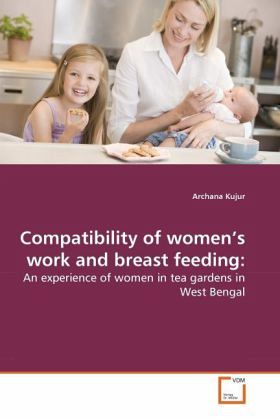
One of the strategies of the Indian government to reduce infant mortality is the promotion of exclusive breast feeding which is the single most cost effective intervention for reducing infant mortality, especially in the case of poor and the underserved. In the current context large percentage of women are engaged in various types of economic activities ranging from agricultural to Service Sectors. According to NFHS-2 (1998-1999)37.4 percent of women are of the currently working status, out of which only 5 percent are engaged in professional occupation. For women in white collared jobs the implementation and achievement of the government policies, such as those of breast feeding, are much easier. But in case of women who are engaged as labours, the question remains unanswered as to what extent they are given maternity benefits by their employers and how they are coping up with their employment and breast feeding practice. This study gives an insight into the breast feeding behaviour of such women engaged as tea garden workers, and underlines the factors which promote as well as factors which discourage breastfeeding in their work place.