- Gebundenes Buch
- Merkliste
- Auf die Merkliste
- Bewerten Bewerten
- Teilen
- Produkt teilen
- Produkterinnerung
- Produkterinnerung
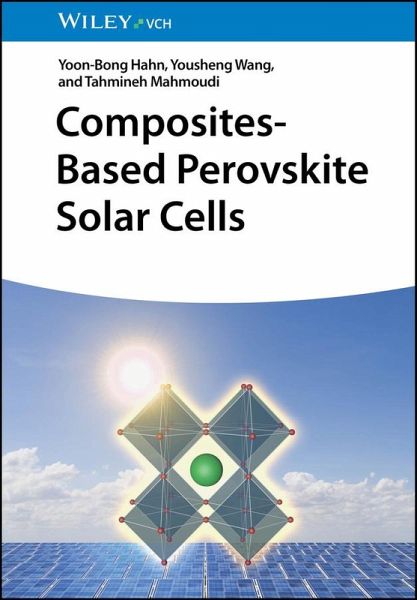
covers the properties and defects of perovskites, fabrication methods and properties of composite-based materials, device instability issues, applications for single-junction and tandem perovskite solar cells and modules, etc.
Andere Kunden interessierten sich auch für
Perovskite Solar Cells182,00 €
Yunlong ZiTriboelectric Nanogenerators97,99 €
Hong MengPerovskite Light Emitting Diodes104,99 €
Xing FanTextile-Based Energy Harvesting and Storage Devices for Wearable Electronics113,99 €
Flexible and Wearable Electronics for Smart Clothing147,99 €
Hong MengColloidal Quantum Dot Light Emitting Diodes104,99 €
Wide Bandgap Semiconductors for Power Electronics201,99 €-
-
-
covers the properties and defects of perovskites, fabrication methods and properties of composite-based materials, device instability issues, applications for single-junction and tandem perovskite solar cells and modules, etc.
Produktdetails
- Produktdetails
- Verlag: Wiley-VCH
- Artikelnr. des Verlages: 1135293 000
- 1. Auflage
- Seitenzahl: 256
- Erscheinungstermin: 2. April 2025
- Englisch
- Abmessung: 246mm x 174mm x 18mm
- Gewicht: 666g
- ISBN-13: 9783527352937
- ISBN-10: 3527352937
- Artikelnr.: 71826433
- Herstellerkennzeichnung
- Wiley-VCH GmbH
- Boschstraße 12
- 69469 Weinheim
- wiley-vch@kolibri360.de
- Verlag: Wiley-VCH
- Artikelnr. des Verlages: 1135293 000
- 1. Auflage
- Seitenzahl: 256
- Erscheinungstermin: 2. April 2025
- Englisch
- Abmessung: 246mm x 174mm x 18mm
- Gewicht: 666g
- ISBN-13: 9783527352937
- ISBN-10: 3527352937
- Artikelnr.: 71826433
- Herstellerkennzeichnung
- Wiley-VCH GmbH
- Boschstraße 12
- 69469 Weinheim
- wiley-vch@kolibri360.de
Yoon-Bong Hahn, PhD, is a Distinguished Professor of Jeonbuk National University (JBNU), Fellow of the Korea Academy of Science and Technology (KAST), Fellow of the American Ceramic Society (ACerS), and Fellow of the International Association of Advanced Materials (IAAM). He joined Jeonbuk National University (JBNU) in 1991, prior to which he worked for LG Metals Research Center as a principal scientist for 1988-1991 after he received his Ph.D. in Metallurgical Engineering from University of Utah in 1988. His research has focused on the synthesis of metal oxides and carbon based nanomaterials and their applications for solar cells and biological sensors. He has published over 340 SCI papers and 7 books, holds 22 patents, and has received numerous scientific awards. Yousheng Wang, PhD, is an associate professor at the Institute of New Energy Technology, College of Physics and Optoelectronic Engineering, Jinan University, China. He received his M.S. and Ph.D. degree in Semiconductor and Chemical Engineering from Jeonbuk National University, and was a postdoctoral fellow at Advanced Nano-Material Processing Laboratory (AMPL), Jeonbuk National University, Korea. Tahmineh Mahmoudi, PhD, is a research scientist at Department of Chemistry and Environmental Science, RMIT University, Australia. She rexeived her M.S. in Nanoscience and Nanotechnology from the University of Kashan and her PhD in Semiconductor and Chemical engineering from JBNU.
1. INTRODUCTION
1.1 Need to develop composites-based perovskite solar cells.
1.2 Fabrication strategy for composites-based perovskite solar cells
References
2. HYBRID PEROVSKITES AND SOLAR CELLS
2.1 Perovskite materials
2.2 Perovskite solar cells
2.3 Limitations and improvements of energy conversion in perovskite solar cells
References
3. FUNDAMENTALS AND BENEFITS OF COMPOSITE FUNCTIONAL MATERIALS
3.1 Introduction to composite functional materials
3.2 Development of composite-perovskite solar cells
References
4. STABILITY AND EFFICIENCY ISSUES OF PEROVSKITE MATERIALS AND DEVICES
4.1 Materials instability
4.2 Devices heterointerface instability
4.3 Solutions for instability problems
References
5 COMPOSITE-BASED CHARGE-TRANSPORT AND INTERFACIAL MATERIALS
5.1 Organic based composites
5.2 Inorganic based composites with metal and metal oxides
5.3 Carbon-based composites
References
6. COMPOSITE-BASED PB-PEROVSKITE MATERIALS AS ABSORBERS
6.1 Organic additives-based perovskite composites
6.2 Inorganic additives-based perovskite composites
6.3 Low-dimensional (LD)/three-dimensional (3D) heterostructure perovskite composites
6.4 Quantum dot additives-based perovskite composites
6.5 Reduced film strain by composites-based perovskites
References
7 COMPOSITES-BASED PB-FREE PEROVSKITE MATERIALS AS ABSORBERS
7.1 Inorganic additives-based perovskite composites
7.2 Organic additives-based perovskite composites
7.3 Carbon additives-based perovskite composites
References
8 COMPOSITES-BASED MATERIALS IN TANDEM SOLAR CELLS
8.1 Introduction
8.2 Configuration of perovskite-based tandems
8.3 Perovskite alloy-based composites as absorbers
8.4 Additives-based perovskite composites as absorbers
8.5 Composites-based interconnection layers
8.6 Composites-based charge transport layers
8.7 Composites-based interfacial layers in tandems
References
9 PROSPECTS FOR COMMERCIALIZATION OF PEROVSKITE SOLAR CELLS
9.1 Introduction to the current status of perovskite solar cells
9.2 Solutions to stability issues
9.3 Upscaling, commercialization and challenges
9.4 Status of solar modules production
References
10 CHARACTERIZATION METHODS FOR COMPOSITE-BASED PEROVSKITE SOLAR CELLS
10.1 Composite-based perovskite films characterization
10.2 Devices Characterization
References
11 PERSPECTIVES AND FUTURE WORK OF COMPOSITES-BASED PEROVSKITE SOLAR CELLS
11.1 Perspectives of composites-based PSCs
11.2 Future work for composites-based PSCs
References
1.1 Need to develop composites-based perovskite solar cells.
1.2 Fabrication strategy for composites-based perovskite solar cells
References
2. HYBRID PEROVSKITES AND SOLAR CELLS
2.1 Perovskite materials
2.2 Perovskite solar cells
2.3 Limitations and improvements of energy conversion in perovskite solar cells
References
3. FUNDAMENTALS AND BENEFITS OF COMPOSITE FUNCTIONAL MATERIALS
3.1 Introduction to composite functional materials
3.2 Development of composite-perovskite solar cells
References
4. STABILITY AND EFFICIENCY ISSUES OF PEROVSKITE MATERIALS AND DEVICES
4.1 Materials instability
4.2 Devices heterointerface instability
4.3 Solutions for instability problems
References
5 COMPOSITE-BASED CHARGE-TRANSPORT AND INTERFACIAL MATERIALS
5.1 Organic based composites
5.2 Inorganic based composites with metal and metal oxides
5.3 Carbon-based composites
References
6. COMPOSITE-BASED PB-PEROVSKITE MATERIALS AS ABSORBERS
6.1 Organic additives-based perovskite composites
6.2 Inorganic additives-based perovskite composites
6.3 Low-dimensional (LD)/three-dimensional (3D) heterostructure perovskite composites
6.4 Quantum dot additives-based perovskite composites
6.5 Reduced film strain by composites-based perovskites
References
7 COMPOSITES-BASED PB-FREE PEROVSKITE MATERIALS AS ABSORBERS
7.1 Inorganic additives-based perovskite composites
7.2 Organic additives-based perovskite composites
7.3 Carbon additives-based perovskite composites
References
8 COMPOSITES-BASED MATERIALS IN TANDEM SOLAR CELLS
8.1 Introduction
8.2 Configuration of perovskite-based tandems
8.3 Perovskite alloy-based composites as absorbers
8.4 Additives-based perovskite composites as absorbers
8.5 Composites-based interconnection layers
8.6 Composites-based charge transport layers
8.7 Composites-based interfacial layers in tandems
References
9 PROSPECTS FOR COMMERCIALIZATION OF PEROVSKITE SOLAR CELLS
9.1 Introduction to the current status of perovskite solar cells
9.2 Solutions to stability issues
9.3 Upscaling, commercialization and challenges
9.4 Status of solar modules production
References
10 CHARACTERIZATION METHODS FOR COMPOSITE-BASED PEROVSKITE SOLAR CELLS
10.1 Composite-based perovskite films characterization
10.2 Devices Characterization
References
11 PERSPECTIVES AND FUTURE WORK OF COMPOSITES-BASED PEROVSKITE SOLAR CELLS
11.1 Perspectives of composites-based PSCs
11.2 Future work for composites-based PSCs
References
1. INTRODUCTION
1.1 Need to develop composites-based perovskite solar cells.
1.2 Fabrication strategy for composites-based perovskite solar cells
References
2. HYBRID PEROVSKITES AND SOLAR CELLS
2.1 Perovskite materials
2.2 Perovskite solar cells
2.3 Limitations and improvements of energy conversion in perovskite solar cells
References
3. FUNDAMENTALS AND BENEFITS OF COMPOSITE FUNCTIONAL MATERIALS
3.1 Introduction to composite functional materials
3.2 Development of composite-perovskite solar cells
References
4. STABILITY AND EFFICIENCY ISSUES OF PEROVSKITE MATERIALS AND DEVICES
4.1 Materials instability
4.2 Devices heterointerface instability
4.3 Solutions for instability problems
References
5 COMPOSITE-BASED CHARGE-TRANSPORT AND INTERFACIAL MATERIALS
5.1 Organic based composites
5.2 Inorganic based composites with metal and metal oxides
5.3 Carbon-based composites
References
6. COMPOSITE-BASED PB-PEROVSKITE MATERIALS AS ABSORBERS
6.1 Organic additives-based perovskite composites
6.2 Inorganic additives-based perovskite composites
6.3 Low-dimensional (LD)/three-dimensional (3D) heterostructure perovskite composites
6.4 Quantum dot additives-based perovskite composites
6.5 Reduced film strain by composites-based perovskites
References
7 COMPOSITES-BASED PB-FREE PEROVSKITE MATERIALS AS ABSORBERS
7.1 Inorganic additives-based perovskite composites
7.2 Organic additives-based perovskite composites
7.3 Carbon additives-based perovskite composites
References
8 COMPOSITES-BASED MATERIALS IN TANDEM SOLAR CELLS
8.1 Introduction
8.2 Configuration of perovskite-based tandems
8.3 Perovskite alloy-based composites as absorbers
8.4 Additives-based perovskite composites as absorbers
8.5 Composites-based interconnection layers
8.6 Composites-based charge transport layers
8.7 Composites-based interfacial layers in tandems
References
9 PROSPECTS FOR COMMERCIALIZATION OF PEROVSKITE SOLAR CELLS
9.1 Introduction to the current status of perovskite solar cells
9.2 Solutions to stability issues
9.3 Upscaling, commercialization and challenges
9.4 Status of solar modules production
References
10 CHARACTERIZATION METHODS FOR COMPOSITE-BASED PEROVSKITE SOLAR CELLS
10.1 Composite-based perovskite films characterization
10.2 Devices Characterization
References
11 PERSPECTIVES AND FUTURE WORK OF COMPOSITES-BASED PEROVSKITE SOLAR CELLS
11.1 Perspectives of composites-based PSCs
11.2 Future work for composites-based PSCs
References
1.1 Need to develop composites-based perovskite solar cells.
1.2 Fabrication strategy for composites-based perovskite solar cells
References
2. HYBRID PEROVSKITES AND SOLAR CELLS
2.1 Perovskite materials
2.2 Perovskite solar cells
2.3 Limitations and improvements of energy conversion in perovskite solar cells
References
3. FUNDAMENTALS AND BENEFITS OF COMPOSITE FUNCTIONAL MATERIALS
3.1 Introduction to composite functional materials
3.2 Development of composite-perovskite solar cells
References
4. STABILITY AND EFFICIENCY ISSUES OF PEROVSKITE MATERIALS AND DEVICES
4.1 Materials instability
4.2 Devices heterointerface instability
4.3 Solutions for instability problems
References
5 COMPOSITE-BASED CHARGE-TRANSPORT AND INTERFACIAL MATERIALS
5.1 Organic based composites
5.2 Inorganic based composites with metal and metal oxides
5.3 Carbon-based composites
References
6. COMPOSITE-BASED PB-PEROVSKITE MATERIALS AS ABSORBERS
6.1 Organic additives-based perovskite composites
6.2 Inorganic additives-based perovskite composites
6.3 Low-dimensional (LD)/three-dimensional (3D) heterostructure perovskite composites
6.4 Quantum dot additives-based perovskite composites
6.5 Reduced film strain by composites-based perovskites
References
7 COMPOSITES-BASED PB-FREE PEROVSKITE MATERIALS AS ABSORBERS
7.1 Inorganic additives-based perovskite composites
7.2 Organic additives-based perovskite composites
7.3 Carbon additives-based perovskite composites
References
8 COMPOSITES-BASED MATERIALS IN TANDEM SOLAR CELLS
8.1 Introduction
8.2 Configuration of perovskite-based tandems
8.3 Perovskite alloy-based composites as absorbers
8.4 Additives-based perovskite composites as absorbers
8.5 Composites-based interconnection layers
8.6 Composites-based charge transport layers
8.7 Composites-based interfacial layers in tandems
References
9 PROSPECTS FOR COMMERCIALIZATION OF PEROVSKITE SOLAR CELLS
9.1 Introduction to the current status of perovskite solar cells
9.2 Solutions to stability issues
9.3 Upscaling, commercialization and challenges
9.4 Status of solar modules production
References
10 CHARACTERIZATION METHODS FOR COMPOSITE-BASED PEROVSKITE SOLAR CELLS
10.1 Composite-based perovskite films characterization
10.2 Devices Characterization
References
11 PERSPECTIVES AND FUTURE WORK OF COMPOSITES-BASED PEROVSKITE SOLAR CELLS
11.1 Perspectives of composites-based PSCs
11.2 Future work for composites-based PSCs
References