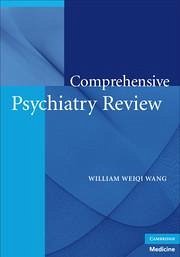
The accreditation process for psychiatry in the United States is considered one of the most difficult among all medical specialties. Although many board review books in psychiatry exist, this is the first fact-based resource that can be used for both written and oral review. Dr William Weiqi Wang has developed a concise, outline-oriented format supplemented with case studies to prepare residents for the oral and written psychiatry boards. Each chapter can stand alone and is presented in 'bite-size' clusters to facilitate easy absorption of the material. A section at the end of the book…mehr
The accreditation process for psychiatry in the United States is considered one of the most difficult among all medical specialties. Although many board review books in psychiatry exist, this is the first fact-based resource that can be used for both written and oral review. Dr William Weiqi Wang has developed a concise, outline-oriented format supplemented with case studies to prepare residents for the oral and written psychiatry boards. Each chapter can stand alone and is presented in 'bite-size' clusters to facilitate easy absorption of the material. A section at the end of the book includes 150 board-review-style questions and answers drawn from previous tests. This book is a necessity for any student who plans to score aggressively on the ABPN, PRITE, and even the USMLE for medical students who want to pursue a career in psychiatry.
William Weiqi Wang, MD, PhD, is an attending psychiatrist at SSM St. Joseph Health Center, an affiliate faculty member at St. Louis University, and Director of Medical Education at the Olivette Institute, St. Louis, Missouri.
Inhaltsangabe
Part I. Intellectual Foundation of Psychiatry: 1. Functional neuroanatomy 2. Neurochemistry 3. Neurophysiology 4. Child and adolescent development 5. Psychosocial theories Part II. Evaluation and Measurement: 6. Evaluation of signs and symptoms 7. Classification and diagnosis 8. Psychometrics 9. Biostatistics Part III. Psychiatric Disorders: 10. Cognitive disorders 11. Additions: general consideration 12. Addictions: alcohol-related disorders 13. Addictions: non-alcoholic substance related disorders 14. Psychotic disorders 15. Mood disorders 16. Anxiety disorders 17. Somatoform disorders 18. Dissociative disorders 19. Sexual and gender identity disorders 20. Eating disorders 21. Sleep disorders 22. Factitious disorder and malingering 23. Personality disorders 24. Child and adolescent psychiatric disorders 25. Psychosomatic disorders and consultation-liaison psychiatry Part IV. Psychiatric Therapeutics: 26. Psychosocial therapy 27. Antipsychotics 28. Lithium and mood stabilizing anticonvulsants 29. Antidepressants 30. Anxielytics and hypnotics 31. Pharmacotherapy for substance related conditions 32. Cognitive enhancers 33. Stimulants 34. Drug interactions 35. Evaluation and treatment for adverse effects 36. Electroconvulsive therapy, brain stimulation therapies, and other novel treatments Part V. Neuropsychiatry and Relevant Neurologic Conditions: 37. Congenital neuropsychiatric disorders 38. Infections of nervous system 39. Seizure disorders 40. Strokes and TIAs 41. Brain tumors and injuries 42. Headache 43. Spinal cord anatomy and related conditions 44. Movement disorders 45. Language impairment 46. Neuromuscular disorders and peripheral nerve disorders Part VI. Special Topics: 47. Suicide and violence 48. Abuse and neglect 49. Legal and ethical issues 50. Cultural and social psychiatry Part VII. Review Questions.
Part I. Intellectual Foundation of Psychiatry: 1. Functional neuroanatomy 2. Neurochemistry 3. Neurophysiology 4. Child and adolescent development 5. Psychosocial theories Part II. Evaluation and Measurement: 6. Evaluation of signs and symptoms 7. Classification and diagnosis 8. Psychometrics 9. Biostatistics Part III. Psychiatric Disorders: 10. Cognitive disorders 11. Additions: general consideration 12. Addictions: alcohol-related disorders 13. Addictions: non-alcoholic substance related disorders 14. Psychotic disorders 15. Mood disorders 16. Anxiety disorders 17. Somatoform disorders 18. Dissociative disorders 19. Sexual and gender identity disorders 20. Eating disorders 21. Sleep disorders 22. Factitious disorder and malingering 23. Personality disorders 24. Child and adolescent psychiatric disorders 25. Psychosomatic disorders and consultation-liaison psychiatry Part IV. Psychiatric Therapeutics: 26. Psychosocial therapy 27. Antipsychotics 28. Lithium and mood stabilizing anticonvulsants 29. Antidepressants 30. Anxielytics and hypnotics 31. Pharmacotherapy for substance related conditions 32. Cognitive enhancers 33. Stimulants 34. Drug interactions 35. Evaluation and treatment for adverse effects 36. Electroconvulsive therapy, brain stimulation therapies, and other novel treatments Part V. Neuropsychiatry and Relevant Neurologic Conditions: 37. Congenital neuropsychiatric disorders 38. Infections of nervous system 39. Seizure disorders 40. Strokes and TIAs 41. Brain tumors and injuries 42. Headache 43. Spinal cord anatomy and related conditions 44. Movement disorders 45. Language impairment 46. Neuromuscular disorders and peripheral nerve disorders Part VI. Special Topics: 47. Suicide and violence 48. Abuse and neglect 49. Legal and ethical issues 50. Cultural and social psychiatry Part VII. Review Questions.
Es gelten unsere Allgemeinen Geschäftsbedingungen: www.buecher.de/agb
Impressum
www.buecher.de ist ein Internetauftritt der buecher.de internetstores GmbH
Geschäftsführung: Monica Sawhney | Roland Kölbl | Günter Hilger
Sitz der Gesellschaft: Batheyer Straße 115 - 117, 58099 Hagen
Postanschrift: Bürgermeister-Wegele-Str. 12, 86167 Augsburg
Amtsgericht Hagen HRB 13257
Steuernummer: 321/5800/1497
USt-IdNr: DE450055826