
Andere Kunden interessierten sich auch für
 Cinema in Service of the State145,99 €
 Nationalism and the Cinema in France37,99 €
 Organic Cinema131,99 €
 Stories between Tears and Laughter116,99 €
 Imperial Projections131,99 €
 The New Face of Political Cinema132,99 €
 Cinema At the Edges130,99 €

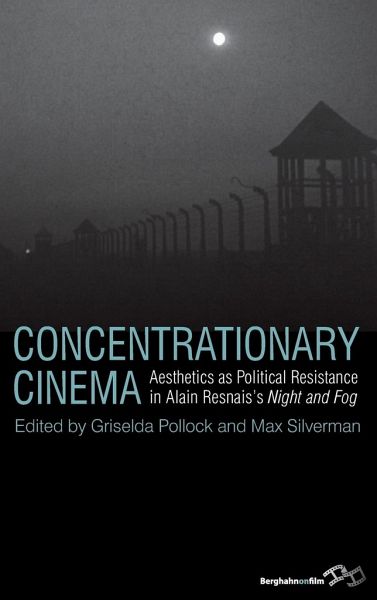
Since its release in 1955, Alain Resnais's Night and Fog has been considered one of the most important films to confront the catastrophe and atrocities of the Nazi era. But was it a film about the Holocaust that failed to recognize the racist genocide? Or was the film not about the Holocaust as we know it today but a political response.
It is the first dedicated study of Alain Resnais’s benchmark film that draws together a range of authors across French, film and anti-colonial studies to analyse the political aesthetics of this film It proposes a new perspective on Alain Resnais’s film by shifting it from Holocaust studies to the concept of the concentrationary universe It places the film in a series of contexts that enlarge the understanding of its significance as a gesture of political resistance to colonialism and totalitarianism It offers comparative readings of the anti-concentrationary dimension in cinema in France and elsewhere, enabling a critical reading of the films work, legacy and contradictions
It is the first dedicated study of Alain Resnais’s benchmark film that draws together a range of authors across French, film and anti-colonial studies to analyse the political aesthetics of this film It proposes a new perspective on Alain Resnais’s film by shifting it from Holocaust studies to the concept of the concentrationary universe It places the film in a series of contexts that enlarge the understanding of its significance as a gesture of political resistance to colonialism and totalitarianism It offers comparative readings of the anti-concentrationary dimension in cinema in France and elsewhere, enabling a critical reading of the films work, legacy and contradictions