
Andere Kunden interessierten sich auch für
 The Delights of Wisdom Concerning Conjugial Love: After Which Follow the Pleasures of Insanity Concerning Scortatory Love25,99 €
 A Brief Summary in Plain Language of the Most Important Laws Concerning Women: Together With a Few Observations Thereon14,99 €
 The Law Concerning Draped Virginity: An Academical Study26,99 €
 Scouting For Boys34,99 €
 Baron and Feme: A Treatise of Law and Equity, Concerning Husbands and Wives27,99 €
 A Treatise Concerning the use and Abuse of the Marriage Bed: Shewing I. The Nature of Matrimony, its Sacred Original, and the True Meaning of its Inst24,99 €
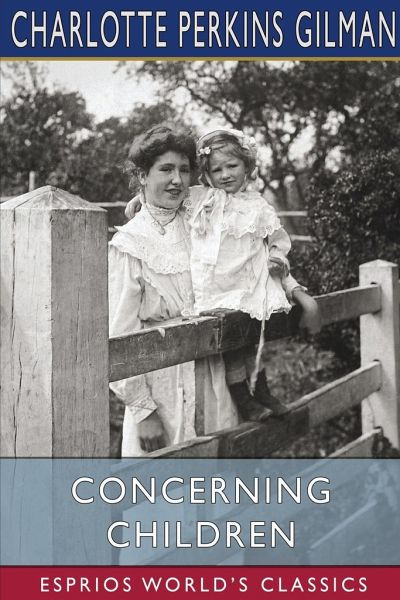
 Concerning Children17,99 €

Charlotte Perkins Gilman (née Perkins; July 3, 1860 - August 17, 1935), also known by her first married name Charlotte Perkins Stetson, was an American humanist, novelist, writer, lecturer, advocate for social reform, and eugenicist. She was a utopian feminist and served as a role model for future generations of feminists because of her unorthodox concepts and lifestyle. She has been inducted into the National Women's Hall of Fame. Her best remembered work today is her semi-autobiographical short story "The Yellow Wallpaper", which she wrote after a severe bout of postpartum psychosis.