
Andere Kunden interessierten sich auch für
 Conflicting Femininities in Medieval German Literature179,99 €
 Dreams and Realities30,99 €
 Autobiographical Inscriptions147,99 €
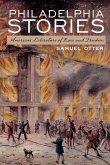
 Philadelphia Stories40,99 €
 Nadine Gordimer's Burger's Daughter83,99 €
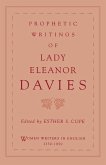
 Prophetic Writings of Lady Eleanor Davies49,99 €
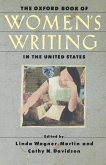
 The Oxford Book of Women's Writing in the United States56,99 €


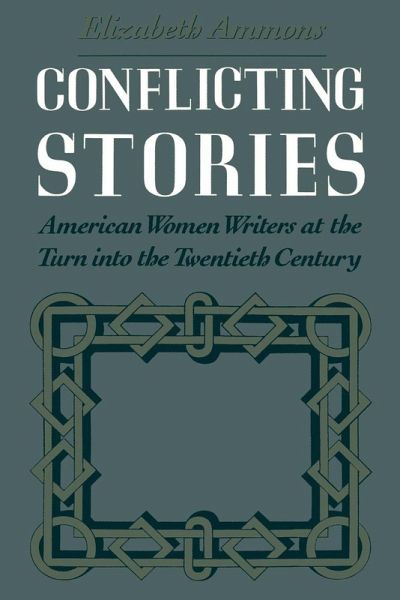
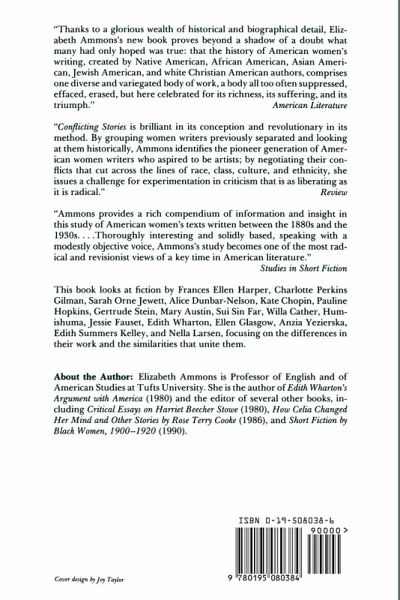
Liz Ammons's book examines the dramatic appearance, at the turn of the century, of a highly talented group of American women writers from diverse cultural and ethnic backgrounds. How isolated occurrences of talent coalesced into a virtual phenomenon, and against what historical and social obstacles women of the early twentieth century contended, are recurring themes of Ammons' study. Posthumous barriers exist for these women today in the form of literary obscurity; Ammons seeks to overturn these barriers and broaden public recognition beyond individual, received authors (such as Wharton and Cather) by demonstrating the abilities of their peers. With extensive inclusion of numerous previously neglected women writers of African-American descent, Conflicting Stories joins a highly topical debate, and offers a necessary revision of mainstream criticism's simplified reading of America's literary past.
Ammons argues that the long fiction by American women from the early 1890s until the late 1920s forms a diverse yet unified body of work. Her aim is to pull together the work of writers who were contemporaries but who, in criticism, are almost always treated independently. The project identifies the turn of the century as a remarkable period of artistic achievement for women, and restructures the American literary past by uniting women writers of this era. The writers dealt with include: F. E. W. Harper, Edith Wharton, Willa Cather, Alice Dunbar-Nelson, Pauline Hopkins, Gertrude Stein, and Edith Summers Kelly.
Ammons argues that the long fiction by American women from the early 1890s until the late 1920s forms a diverse yet unified body of work. Her aim is to pull together the work of writers who were contemporaries but who, in criticism, are almost always treated independently. The project identifies the turn of the century as a remarkable period of artistic achievement for women, and restructures the American literary past by uniting women writers of this era. The writers dealt with include: F. E. W. Harper, Edith Wharton, Willa Cather, Alice Dunbar-Nelson, Pauline Hopkins, Gertrude Stein, and Edith Summers Kelly.