
Andere Kunden interessierten sich auch für
 Kognitive Neurowissenschaften99,99 €
 Psychological Assessment in Medical Settings115,99 €
 Behavioral Interventions with Brain-Injured Children77,99 €
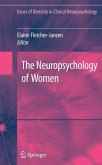
 The Neuropsychology of Women92,99 €
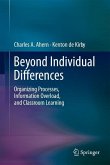
 Beyond Individual Differences38,99 €
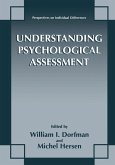
 Understanding Psychological Assessment176,99 €
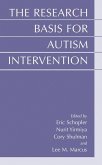
 The Research Basis for Autism Intervention77,99 €
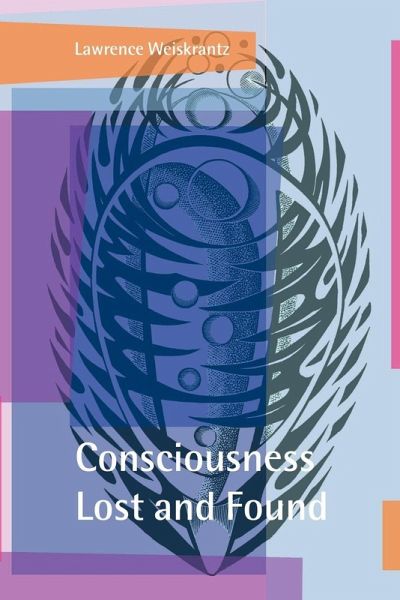
The phenomenon of 'consciousness' is intrinsically related to one's awareness of one's self, of time, and of the physical world. What, then, can be learned about consciousness from people who have suffered brain damage such as amnesia which affects their awareness? This is the question explored by Lawrence Weiskrantz, a distinguished neuropsychologist who has worked with such patients over 30 years. Written in an engaging and accessible style, Consciousness Lost and Found provides a unique perspective on one of the most challenging issues in science today.
It has been discovered that many brain damaged individuals retain intact capacities in what is known as "covert" processing. A blind patient, then, may actually be able to "see" while an amnesiac patient can learn and retain information that he or she does not realize is memory. Weiskrantz uses his research into this phenomenon as a springboard toward a philosophical argument which, combined with the latest brain imaging studies, points the way to specific brain structures which may be involved in concious awareness.
It has been discovered that many brain damaged individuals retain intact capacities in what is known as "covert" processing. A blind patient, then, may actually be able to "see" while an amnesiac patient can learn and retain information that he or she does not realize is memory. Weiskrantz uses his research into this phenomenon as a springboard toward a philosophical argument which, combined with the latest brain imaging studies, points the way to specific brain structures which may be involved in concious awareness.