
Birke Hacker (Germany University of Bonn)
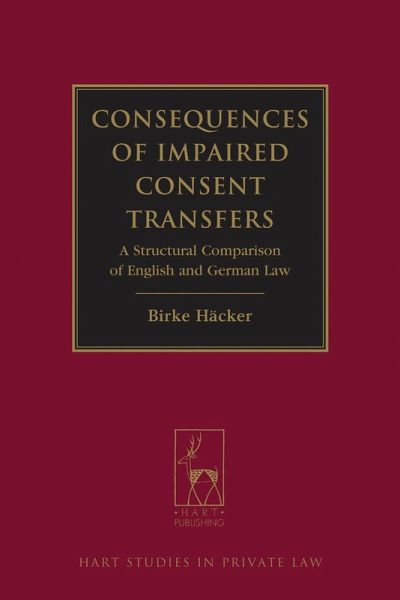
Consequences of Impaired Consent Transfers
A Structural Comparison of English and German Law
Birke Hacker (Germany University of Bonn)
Consequences of Impaired Consent Transfers
A Structural Comparison of English and German Law
- Gebundenes Buch
- Merkliste
- Auf die Merkliste
- Bewerten Bewerten
- Teilen
- Produkt teilen
- Produkterinnerung
- Produkterinnerung
In this structural comparison between English and German law, Birke HÃ cker explores the rules and principles governing impaired consent transfers of movable property and their reversal in two- and three-party situations.
Andere Kunden interessierten sich auch für
Matthew BellPrivate Law and Building Safety109,99 €
Duncan SheehanThe Principles of Personal Property Law123,99 €
Ms Lorna RichardsonMcAllister's Scottish Law of Leases115,99 €
Inga WinklerThe Human Right to Water54,99 €
Avizandum Statutes on Scots Property, Trusts and Succession Law40,99 €
QC Burrows FBA (hon) Andrew (Oxfo Professor of the Law of EnglandA Restatement of the English Law of Unjust Enrichment78,99 €
Tate, Joshua C., J.D., Ph.D.Power and Justice in Medieval England65,99 €-
-
-
In this structural comparison between English and German law, Birke HÃ cker explores the rules and principles governing impaired consent transfers of movable property and their reversal in two- and three-party situations.
Produktdetails
- Produktdetails
- Hart Studies in Private Law
- Verlag: Bloomsbury Publishing PLC
- Seitenzahl: 410
- Erscheinungstermin: 25. November 2013
- Englisch
- Abmessung: 240mm x 161mm x 27mm
- Gewicht: 772g
- ISBN-13: 9781849465656
- ISBN-10: 1849465657
- Artikelnr.: 39318414
- Herstellerkennzeichnung
- Libri GmbH
- Europaallee 1
- 36244 Bad Hersfeld
- gpsr@libri.de
- Hart Studies in Private Law
- Verlag: Bloomsbury Publishing PLC
- Seitenzahl: 410
- Erscheinungstermin: 25. November 2013
- Englisch
- Abmessung: 240mm x 161mm x 27mm
- Gewicht: 772g
- ISBN-13: 9781849465656
- ISBN-10: 1849465657
- Artikelnr.: 39318414
- Herstellerkennzeichnung
- Libri GmbH
- Europaallee 1
- 36244 Bad Hersfeld
- gpsr@libri.de
Birke Häcker is Professor of Comparative Law at the University of Oxford, Director of the Institute of European and Comparative Law, and a Professorial Fellow of Brasenose College, Oxford.
Part One: Setting the Scene
Chapter I: Introduction
A. Aim of Project and Methodology
B. Scope of Inquiry
C. Structure of Book and Main Theses
Chapter II: Basic Principles Compared and Contrasted
A. Introduction
B. Basic Principles of Contract Law
C. Basic Principles of the Law Relating to Unjust(ified) Enrichment
D. Basic Principles of Property Law
E. No Conclusion
Part Two: Two-Party Situations
Chapter III: German Law and the Consequences of Abstraction
A. Introduction
B. Relationship between Contract and Conveyance
C. Contract Void, but Conveyance Valid
D. Invalidity of both Contract and Conveyance
E. Competing Wrongs-Based Claims
F. Summary
Chapter IV: Personal and Proprietary Restitution under English Law
A. Introduction
B. Operation of the Unjust Factor Regime
C. Relationship between Personal Claims to Restitution
for Unjust Enrichment and (Vested) Property Rights
D. Availability and Form of Proprietary Restitution
E. Competing Wrongs-Based Claims
F. Summary
Chapter V: Comparative Observations on Two-Party Cases
A. Introduction
B. Scope of Recovery
C. Separation and Abstraction in English Law
D. Reflections on 'Proprietary Restitution'
E. Summary
Part Three: Three-Party Situations
Chapter VI: The Position of Third Party Purchasers
A. Introduction
B. Extensive Proprietary Protection of Third Parties in German Law
C. The Relatively Weak Position of Third Parties in English Law
D. Comparative Observations on the Position of Third Party Purchasers
E. Summary
Chapter VII: The English Third Party Rights Bar to Rescission
A. Introduction
B. Background
C. The Third Party Rights Bar in Operation
D. Abolition of the Third Party Rights Bar
E. Summary
Chapter VIII: Claiming Substitute Assets from the Transferee (and Third
Parties)
A. Introduction
B. Tracing and Disgorgement Damages in English Law
C. Limited Personal Rights to Substitutes under German Law
D. Comparative Observations on Claims to Substitute Assets
E. Summary
Part Four: Summing Up
Chapter IX: Conclusion
Chapter I: Introduction
A. Aim of Project and Methodology
B. Scope of Inquiry
C. Structure of Book and Main Theses
Chapter II: Basic Principles Compared and Contrasted
A. Introduction
B. Basic Principles of Contract Law
C. Basic Principles of the Law Relating to Unjust(ified) Enrichment
D. Basic Principles of Property Law
E. No Conclusion
Part Two: Two-Party Situations
Chapter III: German Law and the Consequences of Abstraction
A. Introduction
B. Relationship between Contract and Conveyance
C. Contract Void, but Conveyance Valid
D. Invalidity of both Contract and Conveyance
E. Competing Wrongs-Based Claims
F. Summary
Chapter IV: Personal and Proprietary Restitution under English Law
A. Introduction
B. Operation of the Unjust Factor Regime
C. Relationship between Personal Claims to Restitution
for Unjust Enrichment and (Vested) Property Rights
D. Availability and Form of Proprietary Restitution
E. Competing Wrongs-Based Claims
F. Summary
Chapter V: Comparative Observations on Two-Party Cases
A. Introduction
B. Scope of Recovery
C. Separation and Abstraction in English Law
D. Reflections on 'Proprietary Restitution'
E. Summary
Part Three: Three-Party Situations
Chapter VI: The Position of Third Party Purchasers
A. Introduction
B. Extensive Proprietary Protection of Third Parties in German Law
C. The Relatively Weak Position of Third Parties in English Law
D. Comparative Observations on the Position of Third Party Purchasers
E. Summary
Chapter VII: The English Third Party Rights Bar to Rescission
A. Introduction
B. Background
C. The Third Party Rights Bar in Operation
D. Abolition of the Third Party Rights Bar
E. Summary
Chapter VIII: Claiming Substitute Assets from the Transferee (and Third
Parties)
A. Introduction
B. Tracing and Disgorgement Damages in English Law
C. Limited Personal Rights to Substitutes under German Law
D. Comparative Observations on Claims to Substitute Assets
E. Summary
Part Four: Summing Up
Chapter IX: Conclusion
Part One: Setting the Scene
Chapter I: Introduction
A. Aim of Project and Methodology
B. Scope of Inquiry
C. Structure of Book and Main Theses
Chapter II: Basic Principles Compared and Contrasted
A. Introduction
B. Basic Principles of Contract Law
C. Basic Principles of the Law Relating to Unjust(ified) Enrichment
D. Basic Principles of Property Law
E. No Conclusion
Part Two: Two-Party Situations
Chapter III: German Law and the Consequences of Abstraction
A. Introduction
B. Relationship between Contract and Conveyance
C. Contract Void, but Conveyance Valid
D. Invalidity of both Contract and Conveyance
E. Competing Wrongs-Based Claims
F. Summary
Chapter IV: Personal and Proprietary Restitution under English Law
A. Introduction
B. Operation of the Unjust Factor Regime
C. Relationship between Personal Claims to Restitution
for Unjust Enrichment and (Vested) Property Rights
D. Availability and Form of Proprietary Restitution
E. Competing Wrongs-Based Claims
F. Summary
Chapter V: Comparative Observations on Two-Party Cases
A. Introduction
B. Scope of Recovery
C. Separation and Abstraction in English Law
D. Reflections on 'Proprietary Restitution'
E. Summary
Part Three: Three-Party Situations
Chapter VI: The Position of Third Party Purchasers
A. Introduction
B. Extensive Proprietary Protection of Third Parties in German Law
C. The Relatively Weak Position of Third Parties in English Law
D. Comparative Observations on the Position of Third Party Purchasers
E. Summary
Chapter VII: The English Third Party Rights Bar to Rescission
A. Introduction
B. Background
C. The Third Party Rights Bar in Operation
D. Abolition of the Third Party Rights Bar
E. Summary
Chapter VIII: Claiming Substitute Assets from the Transferee (and Third
Parties)
A. Introduction
B. Tracing and Disgorgement Damages in English Law
C. Limited Personal Rights to Substitutes under German Law
D. Comparative Observations on Claims to Substitute Assets
E. Summary
Part Four: Summing Up
Chapter IX: Conclusion
Chapter I: Introduction
A. Aim of Project and Methodology
B. Scope of Inquiry
C. Structure of Book and Main Theses
Chapter II: Basic Principles Compared and Contrasted
A. Introduction
B. Basic Principles of Contract Law
C. Basic Principles of the Law Relating to Unjust(ified) Enrichment
D. Basic Principles of Property Law
E. No Conclusion
Part Two: Two-Party Situations
Chapter III: German Law and the Consequences of Abstraction
A. Introduction
B. Relationship between Contract and Conveyance
C. Contract Void, but Conveyance Valid
D. Invalidity of both Contract and Conveyance
E. Competing Wrongs-Based Claims
F. Summary
Chapter IV: Personal and Proprietary Restitution under English Law
A. Introduction
B. Operation of the Unjust Factor Regime
C. Relationship between Personal Claims to Restitution
for Unjust Enrichment and (Vested) Property Rights
D. Availability and Form of Proprietary Restitution
E. Competing Wrongs-Based Claims
F. Summary
Chapter V: Comparative Observations on Two-Party Cases
A. Introduction
B. Scope of Recovery
C. Separation and Abstraction in English Law
D. Reflections on 'Proprietary Restitution'
E. Summary
Part Three: Three-Party Situations
Chapter VI: The Position of Third Party Purchasers
A. Introduction
B. Extensive Proprietary Protection of Third Parties in German Law
C. The Relatively Weak Position of Third Parties in English Law
D. Comparative Observations on the Position of Third Party Purchasers
E. Summary
Chapter VII: The English Third Party Rights Bar to Rescission
A. Introduction
B. Background
C. The Third Party Rights Bar in Operation
D. Abolition of the Third Party Rights Bar
E. Summary
Chapter VIII: Claiming Substitute Assets from the Transferee (and Third
Parties)
A. Introduction
B. Tracing and Disgorgement Damages in English Law
C. Limited Personal Rights to Substitutes under German Law
D. Comparative Observations on Claims to Substitute Assets
E. Summary
Part Four: Summing Up
Chapter IX: Conclusion