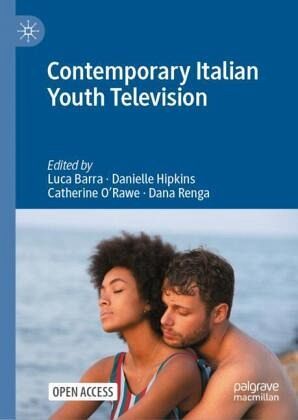
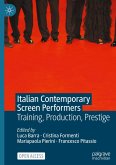
This open-access volume is the first English-language study of the vibrant contemporary landscape of Italian youth-oriented television. TV shows addressed include internationally popular series such as SKAM Italia, Baby, Summertime, We Are Who We Are, Zero, Prisma, My Brilliant Friend, Mare Fuori, and many others. The collection explores the changing representation of young people, while contextualising these developments historically and industrially. The opening section examines key issues shaping contemporary Italian youth television, such as fashion, place, music, and language, with a…mehr
This open-access volume is the first English-language study of the vibrant contemporary landscape of Italian youth-oriented television. TV shows addressed include internationally popular series such as SKAM Italia, Baby, Summertime, We Are Who We Are, Zero, Prisma, My Brilliant Friend, Mare Fuori, and many others. The collection explores the changing representation of young people, while contextualising these developments historically and industrially. The opening section examines key issues shaping contemporary Italian youth television, such as fashion, place, music, and language, with a focus on how Italian producers and outlets are adapting local practices in response to transnational production models and international distribution networks. The second and third sections offer focused readings of Italian youth TV series in this contemporary landscape, drawing on a wide range of thematic angles, from immigration to queer identities. Finally, the book concludes with interviews with major industry figures, who reflect on recent adjustments in production and distribution practices by public service broadcasters and digital platforms.
Luca Barra is Professor of Television and Media Studies at the Università di Bologna, Italy. He published widely on TV production and distribution cultures, comedy genres, the global circulation of media products, and the evolution of the contemporary media landscape. Danielle Hipkins is Professor of Italian Studies and Film at the University of Exeter, UK. She is currently co-authoring Girlhood and the Italian Screen: A Girls’-Eye View of Italian cinema and television. Catherine O’Rawe is Professor of Italian Film and Culture at Bristol University, UK. Her publications include Stars and Masculinities in Contemporary Italian Cinema (2014) and The Non-Professional Actor. Italian Neorealist Cinema and Beyond (2023). Dana Renga is Professor of Italian and Dean of Arts and Humanities at The Ohio State University, USA. She has published widely in Italian media studies, in particular on the mafia, and is working on the monograph #CastingStardom in Contemporary Italian Serial Television.
Inhaltsangabe
Chapter 01: Introduction: Bringing Youth into Contemporary Italian Television.- Section 1: Trends.- Chapter 02: From Tre metri sopra il cielo to Summertime: The Evolution of the filone giovanilistico Through Time and Screens.- Chapter 03: Fashioning Identity in Contemporary Italian Youth Television Series.- Chapter 04: Talkin bout my Generation The Role of Music in Italian Youth Television Series.- Chapter 05: Teen Sense of Place: The Representation of Italian Locations in Teen Television Series.- Chapter 06: Not Another Teen Drama: Rai, Platformization, and New Representations of Teenagers.- Chapter 07: Rai Fiction Teen Series for Mainstream Channels: Programming and Production.- Chapter 08: Ma che stai dicendo? A Linguistic Overview of Teen Representation in Italian Television Series.- Chapter 09: Baby... One More Time: Netflix Italia s Original First Teen Dramas and the Struggle to Build a New Genre.- Chapter 10: A Girls Eye-view: Exploring Television Representations of Italian Girlhood through the Lens of Italian Female Adolescence.- Section 2: Texts.- Chapter 11: Queer Identifications, Activism, and Desire in SKAM Italia.- Chapter 12: Vedo che siamo moderni, eh? Representations of Social Media Use in SKAM Italia.- Chapter 13: Musica, Maestro! Notes on La Compagnia del Cigno s Teen Cast.- Chapter 14: Is This Italian TV? How My Brilliant Friend Has Attained Success in Mainland China.- Chapter 15: Casa Surace s Engagement with Southern Youth and National Success Amongst Young Italians.- Chapter 16: The Transmedia Universe of Mare Fuori.- Section 3: Close-ups.- Chapter 17: Male Bonding and Narrative Afterlives in Suburra: Blood on Rome.- Chapter 18: Incredible Casting: My Brilliant Friend.- Chapter 19: The Horrors of History in Netflix s Curon.- Chapter 20: The Beach in Summertime.- Chapter 21: Wrecking the Lagoon: Reading Waste in We Are Who We Are s Queer Adolescence.- Chapter 22: We Are Who We Are or Queerness as Atmospheric.- Chapter 23: Visualising the Invisible: Zero and Afro-Italian Urban Utopias.- Chapter 24: A Tale of Three Teenagers and a City: Romulus, or the Foundation of Rome According to Sky Italia.- Chapter 25: The Pathos of Transnationalism: Exploring the Tourist Gaze in Anna.- Chapter 26: Generazione 56K: Nostalgia as a Way to Convergence Media Practices.- Chapter 27: An Astrological Guide for Broken Hearts, or Emily in Paris in Turin.- Chapter 28: Luna Park: La dolce vita and Retro History.- Chapter 29: Coming of Age in Naples in The Lying Life of Adults.- Chapter 30: Prisma: Building a Game of Mirrors.- Chapter 31: Teens in Prison: Control and Redemption in Mare fuori.- Section 4: Interview.- Chapter 32: Putting Your Own Stamp on the Writing of Others: A Conversation with Ivan Silvestrini, Director of Mare Fuori.- Chapter 33: Youth Culture, Diversity, and Italianness on Television: An Interview with Ludovico Bessegato.- Chapter 34: Desperately Seeking Diversity: Challenges and Breakthroughs in the Casting of Netflix s Zero.- Chapter 35: Indeed there is magic in casting : An Interview with Sara Casani and Laura Muccino.
Chapter 01: Introduction: Bringing Youth into Contemporary Italian Television.- Section 1: Trends.- Chapter 02: From Tre metri sopra il cielo to Summertime: The Evolution of the filone giovanilistico Through Time and Screens.- Chapter 03: Fashioning Identity in Contemporary Italian Youth Television Series.- Chapter 04: Talkin bout my Generation The Role of Music in Italian Youth Television Series.- Chapter 05: Teen Sense of Place: The Representation of Italian Locations in Teen Television Series.- Chapter 06: Not Another Teen Drama: Rai, Platformization, and New Representations of Teenagers.- Chapter 07: Rai Fiction Teen Series for Mainstream Channels: Programming and Production.- Chapter 08: Ma che stai dicendo? A Linguistic Overview of Teen Representation in Italian Television Series.- Chapter 09: Baby... One More Time: Netflix Italia s Original First Teen Dramas and the Struggle to Build a New Genre.- Chapter 10: A Girls Eye-view: Exploring Television Representations of Italian Girlhood through the Lens of Italian Female Adolescence.- Section 2: Texts.- Chapter 11: Queer Identifications, Activism, and Desire in SKAM Italia.- Chapter 12: Vedo che siamo moderni, eh? Representations of Social Media Use in SKAM Italia.- Chapter 13: Musica, Maestro! Notes on La Compagnia del Cigno s Teen Cast.- Chapter 14: Is This Italian TV? How My Brilliant Friend Has Attained Success in Mainland China.- Chapter 15: Casa Surace s Engagement with Southern Youth and National Success Amongst Young Italians.- Chapter 16: The Transmedia Universe of Mare Fuori.- Section 3: Close-ups.- Chapter 17: Male Bonding and Narrative Afterlives in Suburra: Blood on Rome.- Chapter 18: Incredible Casting: My Brilliant Friend.- Chapter 19: The Horrors of History in Netflix s Curon.- Chapter 20: The Beach in Summertime.- Chapter 21: Wrecking the Lagoon: Reading Waste in We Are Who We Are s Queer Adolescence.- Chapter 22: We Are Who We Are or Queerness as Atmospheric.- Chapter 23: Visualising the Invisible: Zero and Afro-Italian Urban Utopias.- Chapter 24: A Tale of Three Teenagers and a City: Romulus, or the Foundation of Rome According to Sky Italia.- Chapter 25: The Pathos of Transnationalism: Exploring the Tourist Gaze in Anna.- Chapter 26: Generazione 56K: Nostalgia as a Way to Convergence Media Practices.- Chapter 27: An Astrological Guide for Broken Hearts, or Emily in Paris in Turin.- Chapter 28: Luna Park: La dolce vita and Retro History.- Chapter 29: Coming of Age in Naples in The Lying Life of Adults.- Chapter 30: Prisma: Building a Game of Mirrors.- Chapter 31: Teens in Prison: Control and Redemption in Mare fuori.- Section 4: Interview.- Chapter 32: Putting Your Own Stamp on the Writing of Others: A Conversation with Ivan Silvestrini, Director of Mare Fuori.- Chapter 33: Youth Culture, Diversity, and Italianness on Television: An Interview with Ludovico Bessegato.- Chapter 34: Desperately Seeking Diversity: Challenges and Breakthroughs in the Casting of Netflix s Zero.- Chapter 35: Indeed there is magic in casting : An Interview with Sara Casani and Laura Muccino.
Es gelten unsere Allgemeinen Geschäftsbedingungen: www.buecher.de/agb
Impressum
www.buecher.de ist ein Internetauftritt der buecher.de internetstores GmbH
Geschäftsführung: Monica Sawhney | Roland Kölbl | Günter Hilger
Sitz der Gesellschaft: Batheyer Straße 115 - 117, 58099 Hagen
Postanschrift: Bürgermeister-Wegele-Str. 12, 86167 Augsburg
Amtsgericht Hagen HRB 13257
Steuernummer: 321/5800/1497
USt-IdNr: DE450055826