
Andere Kunden interessierten sich auch für
 Land14,99 €
 Stone Age Living Spaces in Western Norway145,99 €
 Egalitarianism in Scandinavia106,99 €
 Tobakkspolitikk i Norge og i Moldova32,99 €
 From Stone Age to Iron Age69,99 €
 Sverre of Norway19,99 €
 Treating Heroin Addiction in Norway167,99 €







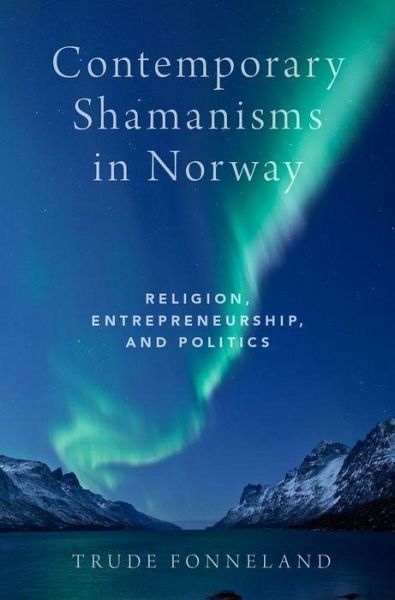
One of the fastest growing religious movements in the Western world, neo-shamanism embraces notions and techniques borrowed from various tribal peoples and adapted to the life of contemporary urban dwellers. Until the twenty-first century, the neo-shamanism found in northern Europe differed little from neo-shamanism elsewhere in the Western world. In the new millennium, a S�mi and Nordic version of neo-shamanism came into being, along with a new focus on the uniqueness of the arctic north, expressed through New Age courses and events. The Norwegian New Age scene is increasingly overrun with S�mi and Nordic shamans, symbols, and traditions. Contemporary Shamanisms in Norway examines the construction of this S�mi neo-shamanistic movement and argues that it fits into the broader ethno-political search for a Sami identity. Drawing on ten years of ethnographic research, Trude Fonneland highlights the values important to neo-shamans' self-development and their marketing of shamanistic products and services. She explores S�ami and Nordic neo-shamans' promotion of Arctic nature, their negotiations of gender in neo-shamanism, and their ritual inventions. Focusing on contemporary shamanism in Norway and Nordic contexts, Fonneland argues that the spiritual quest in Nordic countries has developed surprising and innovative forms of spirituality that call for a reevaluation of the relationship between religion and the secular world.