
Andere Kunden interessierten sich auch für
 Global Sales and Contract Law395,99 €
 Contract Law in Practice369,99 €
 Electronic Documents in Maritime Trade 2e265,99 €
 Contract Law and International Trade Regulation177,99 €
 Blackstone's Civil Practice 2023390,99 €
 Furmston and Tolhurst on Privity of Contract223,99 €
 The Indian Legal System49,99 €


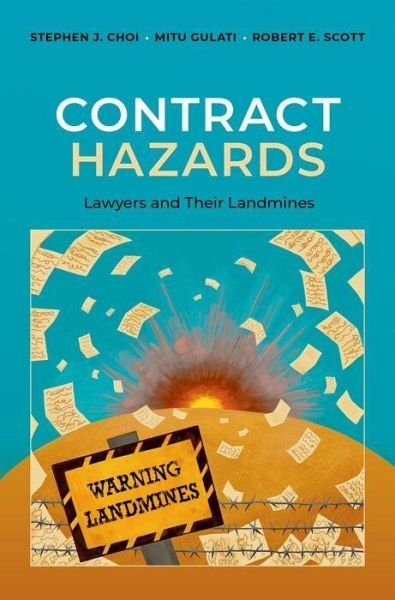
In today's global markets, commercial contracts are the backbone of complex financial and corporate transactions. Yet despite their centrality, these documents are often riddled with flaws-ambiguous terms, outdated provisions, and strategic traps-that persist across deals and markets. Legal theory tends to overlook these imperfections, assuming contracts are coherent, intentional, and complete. But the reality of contract production tells a different story. Contract Hazards: Lawyers and Their Landmines investigates the hidden dangers embedded in standardized contract language. These "landmines" are not rare mistakes-they are structural features of how contracts are assembled under pressure, often from recycled precedent and boilerplate. Drawing on both qualitative and quantitative research, it explores how flawed terms originate, why they endure, and how they are sometimes exploited by lawyers when deals unravel. Focusing on markets such as sovereign bonds, mergers, and syndicated loans, this analysis traces how different legal communities respond to these flaws-some seeking to repair them, others learning to weaponize them. While landmines are widespread, the behavior of lawyers and the institutional dynamics of each market shape how they are managed. By bridging the gap between contract theory and contract practice, Contract Hazards offers a compelling new perspective on how legal documents evolve. It challenges conventional assumptions and illuminates the complex, often messy realities of modern contract drafting.