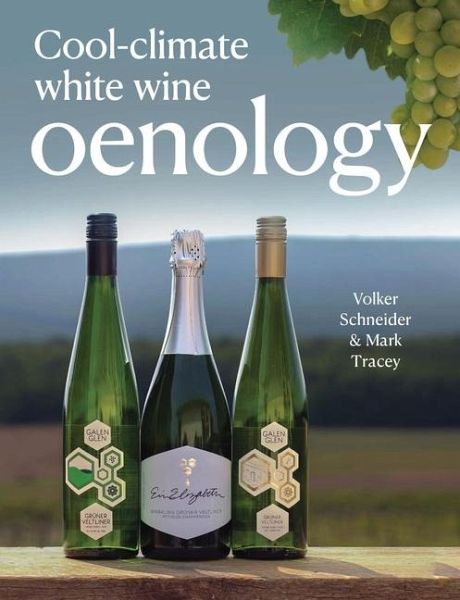
Cool-Climate White Wine Oenology is dedicated exclusively to the technology and science of white still wines and sparkling base wines, as they are produced by the rapidly growing British wine industry and in countries with a similar climate. It has a strong focus on sensory issues and guides the reader through the entire process of white winemaking − from the crush pad to bottling – clearly defining which measures to take and which to avoid. Whilst this book does not neglect the scientific fundamentals of oenology, it also gives numerous practical hints and technical details of hands-on winery…mehr
Cool-Climate White Wine Oenology is dedicated exclusively to the technology and science of white still wines and sparkling base wines, as they are produced by the rapidly growing British wine industry and in countries with a similar climate. It has a strong focus on sensory issues and guides the reader through the entire process of white winemaking − from the crush pad to bottling – clearly defining which measures to take and which to avoid. Whilst this book does not neglect the scientific fundamentals of oenology, it also gives numerous practical hints and technical details of hands-on winery work and provides valuable insights into the inherently cross-disciplinary nature of white winemaking and a holistic view of one of the most fascinating fields of contemporary oenology.
Volker Schneider has an industry background, was lecturer of oenological chemistry at Geisenheim University (Germany), and founder of the international consulting firm Schneider-Oenologie, which specialises in quality control, product development and research. He has authored a series of scientific papers and more than 450 technical articles on these topics. Mark Tracey is an emeritus professor of engineering at the University of Hertfordshire with an applied research interest in new winemaking technologies and processes. He collaborates with small-scale Italian producers in researching new-generation, low-volume oenology tools and also makes his own experimental wines.
Inhaltsangabe
Contents include: Why sensory evaluation of grapes is at least as important as analytical figures • Methods and pitfalls of acidity adjustment • The importance of juice clarification • Why oxygen uptake of white wine is more dangerous than oxidation and browning of juice • Requirements for a smooth fermentation, whether inoculated or spontaneous • Ways to non-interventionist winemaking • Measures to optimize shelf life and flavour stability • The benefits of storage with post-fermentation yeast lees • Sensory fine-tuning before bottling • Which types of analysis are really important
Es gelten unsere Allgemeinen Geschäftsbedingungen: www.buecher.de/agb
Impressum
www.buecher.de ist ein Internetauftritt der buecher.de internetstores GmbH
Geschäftsführung: Monica Sawhney | Roland Kölbl | Günter Hilger
Sitz der Gesellschaft: Batheyer Straße 115 - 117, 58099 Hagen
Postanschrift: Bürgermeister-Wegele-Str. 12, 86167 Augsburg
Amtsgericht Hagen HRB 13257
Steuernummer: 321/5800/1497
USt-IdNr: DE450055826