
Andere Kunden interessierten sich auch für
 Urheberrecht und Open Access im Kontext von Bildung und Wissenschaft49,90 €
 Open Source Archaeology48,99 €
 A Handbook of English and Foreign Copyright in Literary and Dramatic Works17,90 €
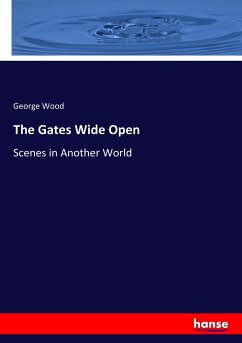
 The Gates Wide Open26,90 €
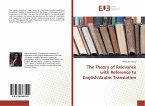
 The Theory of Relevance with Reference to English/Arabic Translation24,99 €
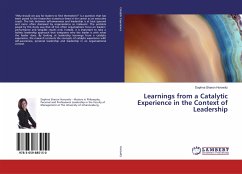
 Learnings from a Catalytic Experience in the Context of Leadership41,99 €
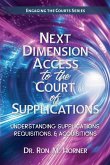
 Next Dimension Access to the Court of Supplications21,99 €
'As a result, two concepts are competing: freedom and ownership. Both claim to be able to provide the ideal breeding ground for the knowledge society.' Never before has science had such a large platform for knowledge networking as it does today through digital networking; at the same time, calls for restrictions on access rights to intellectual property are growing louder. In the context of education and science, hardly any topic has been discussed as controversially in recent years as open access. Since it was first articulated, the demand for open access has led to an intense exchange of opinions and a heated debate. In particular, the discussions on the design of the third copyright amendment are continuing what began in 2003 after the first law regulating copyright in the information society. The aim of this paper is to provide an overview of the various positions of the interest groups involved along the lines of the discussed paragraphs of the copyright law.