
Andere Kunden interessierten sich auch für
 Eigensinnige Objekte45,00 €
 Zeitschrift für Medienwissenschaft 3324,99 €
 Medienkapital55,00 €
 Virtuelles Essen45,00 €
 Druckwellen40,00 €
 Inszenierte Intermedialität48,00 €
") Digital Culture & Society (DCS)20,99 €
Digital Culture & Society (DCS)20,99 €






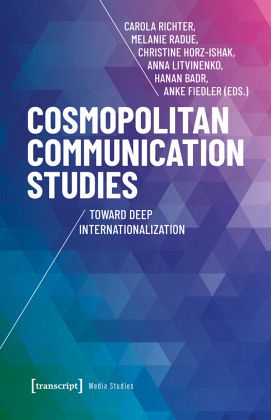
This volume proposes a "deep internationalization" of media and communication studies by offering insights and guidance on how to integrate a cosmopolitan perspective in a variety of subfields of this discipline. Building on debates on de-Westernization and cosmopolitanism, the contributors advocate for the inclusion of both global and local perspectives and context-led approaches. They argue that acknowledging and incorporating epistemologies, topics, and methodologies from diverse regions, contexts, and backgrounds will enhance the comprehensiveness and relevance of their discipline and foster a more inclusive and meaningful understanding in communication studies.
Hinweis: Dieser Artikel kann nur an eine deutsche Lieferadresse ausgeliefert werden.
Hinweis: Dieser Artikel kann nur an eine deutsche Lieferadresse ausgeliefert werden.
»Der Band [setzt] Maßstäbe, weil er nicht nur Probleme benennt, sondern konkrete Pfade zur Umsetzung skizziert - von Forschungsethik über Methodenauswahl bis zur Organisation internationaler Teams. Er ist damit gleichermaßen empfehlenswert für Forscher:innen, Lehrende, Studierende und Praktiker:innen und gehört daher in jegliche Curricula, die Internationalisierung nicht als Schlagwort, sondern als Forschungsprogramm verstehen.«
Jeffrey Wimmer, Global Media Journal, 15/1 (2025)
Jeffrey Wimmer, Global Media Journal, 15/1 (2025)