
Kathryn Geldard, Rebecca Yin Foo
Counselling Children
A Practical Introduction (Sixth Edition (Updated Edition))
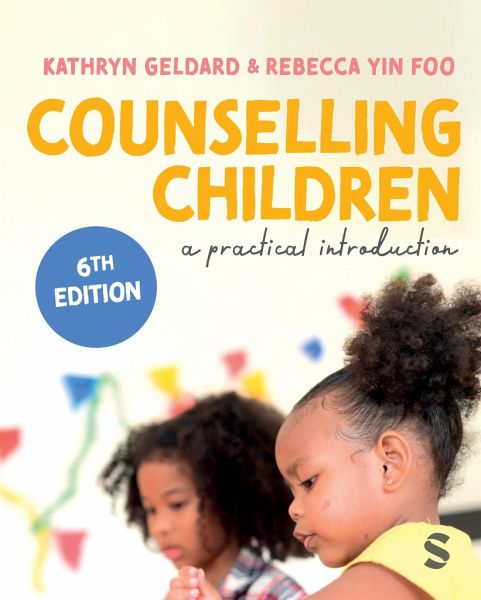
Kathryn Geldard, Rebecca Yin Foo
Counselling Children
A Practical Introduction (Sixth Edition (Updated Edition))
- Gebundenes Buch
- Merkliste
- Auf die Merkliste
- Bewerten Bewerten
- Teilen
- Produkt teilen
- Produkterinnerung
- Produkterinnerung
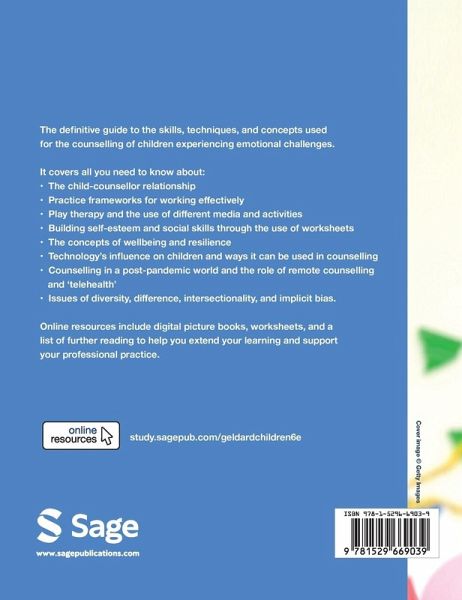
The market leading textbook for trainees and practitioners counselling children. It contains lots of short chapters offering practice frameworks, skills and interventions.
Andere Kunden interessierten sich auch für
 Fiona Ballantine DykesCounselling Skills and Studies105,99 €
 Stephen Palmer (ed.)Multicultural Counselling66,99 €
 Denis' A. ThomasCreative Play Therapy with Adolescents and Adults158,99 €
 Bill MchenryWhat Therapists Say and Why They Say It157,99 €
 Michael JacobsPsychodynamic Counselling in Action142,99 €
 Yiannis GabrielOrganizations in Depth87,99 €
 Cynthia K. ChandlerAnimal-Assisted Therapy in Counseling174,99 €
-
-
-






The market leading textbook for trainees and practitioners counselling children. It contains lots of short chapters offering practice frameworks, skills and interventions.
Produktdetails
- Produktdetails
- Verlag: SAGE Publications Ltd
- 6. Auflage
- Seitenzahl: 424
- Erscheinungstermin: 12. Oktober 2024
- Englisch
- Abmessung: 241mm x 196mm x 27mm
- Gewicht: 981g
- ISBN-13: 9781529669039
- ISBN-10: 1529669030
- Artikelnr.: 70359599
- Herstellerkennzeichnung
- Libri GmbH
- Europaallee 1
- 36244 Bad Hersfeld
- gpsr@libri.de
- Verlag: SAGE Publications Ltd
- 6. Auflage
- Seitenzahl: 424
- Erscheinungstermin: 12. Oktober 2024
- Englisch
- Abmessung: 241mm x 196mm x 27mm
- Gewicht: 981g
- ISBN-13: 9781529669039
- ISBN-10: 1529669030
- Artikelnr.: 70359599
- Herstellerkennzeichnung
- Libri GmbH
- Europaallee 1
- 36244 Bad Hersfeld
- gpsr@libri.de
Dr Kathryn Geldard is now retired from clinical practice. She continues to conduct training workshops for counsellors and organisations and facilitate professional development supervision groups. Her academic career as senior lecturer in counselling at Queensland University of Technology and in the faculty of Arts and Business at the University of the Sunshine Coast (USC), Australia includes programme leadership of the Counselling programme as well as development of the postgraduate Master of Counselling degrees. She is the author of a several textbooks founded on her extensive clinical counselling background with children, young people and their families.
Part 1: Counselling Children
Chapter 1: Goals for Counselling Children
Chapter 2: The Child-Counsellor Relationship
Chapter 3: Ethical Considerations when Counselling Children
Chapter 4: Attributes of a Counsellor for Children
Part 2: Practice Frameworks
Chapter 5: Historical Background and Contemporary Ideas about Counselling
Children
Chapter 6: The Process of Child Therapy
Chapter 7: The Child's Internal Processes of Therapeutic Change
Chapter 8: Sequentially Planned Integrative Counselling for Children (the
SPICC model)
Chapter 9: Counselling Children in the Context of Family Therapy
Chapter 10: Counselling Children in Groups
Chapter 11: Counselling Children in a postpandemic world
Part 3: Child Counselling Skills
Chapter 12: Observation
Chapter 13: Active Listening
Chapter 14: Helping the Child to tell their Story and Express Emotions
Chapter 15: Understanding Resistance and Transference
Chapter 16: Understanding Self-Concept and Unhelpful Beliefs
Chapter 17: Actively Facilitating Change
Chapter 18: Termination of Counselling
Chapter 19: Skills for Counselling Children in Groups
Part 4: Play Therapy - Use of Media and Activities
Chapter 20: The Play Therapy Room
Chapter 21: The Evidence-Base for Play Therapy and Counselling Children
Chapter 22: Selecting the Appropriate Media or Activity
Chapter 23: The Use of Miniature Animals
Chapter 24: Sand-Tray Work
Chapter 25: Working with Clay
Chapter 26: Drawing, Painting, Collage and Construction
Chapter 27: The Imaginary Journey
Chapter 28: Books and Stories
Chapter 29: Puppets and Soft Toys
Chapter 30: Imaginative Pretend Play
Chapter 31: Games
Chapter 32: Technology
Part 5: The Use of Worksheets
Chapter 33: Building Self-Esteem
Chapter 34: Supporting Social Skills
Chapter 35: Education in Protective Behaviours
Part 6: In Conclusion (and worksheets)
Chapter 1: Goals for Counselling Children
Chapter 2: The Child-Counsellor Relationship
Chapter 3: Ethical Considerations when Counselling Children
Chapter 4: Attributes of a Counsellor for Children
Part 2: Practice Frameworks
Chapter 5: Historical Background and Contemporary Ideas about Counselling
Children
Chapter 6: The Process of Child Therapy
Chapter 7: The Child's Internal Processes of Therapeutic Change
Chapter 8: Sequentially Planned Integrative Counselling for Children (the
SPICC model)
Chapter 9: Counselling Children in the Context of Family Therapy
Chapter 10: Counselling Children in Groups
Chapter 11: Counselling Children in a postpandemic world
Part 3: Child Counselling Skills
Chapter 12: Observation
Chapter 13: Active Listening
Chapter 14: Helping the Child to tell their Story and Express Emotions
Chapter 15: Understanding Resistance and Transference
Chapter 16: Understanding Self-Concept and Unhelpful Beliefs
Chapter 17: Actively Facilitating Change
Chapter 18: Termination of Counselling
Chapter 19: Skills for Counselling Children in Groups
Part 4: Play Therapy - Use of Media and Activities
Chapter 20: The Play Therapy Room
Chapter 21: The Evidence-Base for Play Therapy and Counselling Children
Chapter 22: Selecting the Appropriate Media or Activity
Chapter 23: The Use of Miniature Animals
Chapter 24: Sand-Tray Work
Chapter 25: Working with Clay
Chapter 26: Drawing, Painting, Collage and Construction
Chapter 27: The Imaginary Journey
Chapter 28: Books and Stories
Chapter 29: Puppets and Soft Toys
Chapter 30: Imaginative Pretend Play
Chapter 31: Games
Chapter 32: Technology
Part 5: The Use of Worksheets
Chapter 33: Building Self-Esteem
Chapter 34: Supporting Social Skills
Chapter 35: Education in Protective Behaviours
Part 6: In Conclusion (and worksheets)
Part 1: Counselling Children
Chapter 1: Goals for Counselling Children
Chapter 2: The Child-Counsellor Relationship
Chapter 3: Ethical Considerations when Counselling Children
Chapter 4: Attributes of a Counsellor for Children
Part 2: Practice Frameworks
Chapter 5: Historical Background and Contemporary Ideas about Counselling Children
Chapter 6: The Process of Child Therapy
Chapter 7: The Child's Internal Processes of Therapeutic Change
Chapter 8: Sequentially Planned Integrative Counselling for Children (the SPICC model)
Chapter 9: Counselling Children in the Context of Family Therapy
Chapter 10: Counselling Children in Groups
Chapter 11: Counselling Children in a postpandemic world
Part 3: Child Counselling Skills
Chapter 12: Observation
Chapter 13: Active Listening
Chapter 14: Helping the Child to tell their Story and Express Emotions
Chapter 15: Understanding Resistance and Transference
Chapter 16: Understanding Self-Concept and Unhelpful Beliefs
Chapter 17: Actively Facilitating Change
Chapter 18: Termination of Counselling
Chapter 19: Skills for Counselling Children in Groups
Part 4: Play Therapy - Use of Media and Activities
Chapter 20: The Play Therapy Room
Chapter 21: The Evidence-Base for Play Therapy and Counselling Children
Chapter 22: Selecting the Appropriate Media or Activity
Chapter 23: The Use of Miniature Animals
Chapter 24: Sand-Tray Work
Chapter 25: Working with Clay
Chapter 26: Drawing, Painting, Collage and Construction
Chapter 27: The Imaginary Journey
Chapter 28: Books and Stories
Chapter 29: Puppets and Soft Toys
Chapter 30: Imaginative Pretend Play
Chapter 31: Games
Chapter 32: Technology
Part 5: The Use of Worksheets
Chapter 33: Building Self-Esteem
Chapter 34: Supporting Social Skills
Chapter 35: Education in Protective Behaviours
Part 6: In Conclusion (and worksheets)
Chapter 1: Goals for Counselling Children
Chapter 2: The Child-Counsellor Relationship
Chapter 3: Ethical Considerations when Counselling Children
Chapter 4: Attributes of a Counsellor for Children
Part 2: Practice Frameworks
Chapter 5: Historical Background and Contemporary Ideas about Counselling Children
Chapter 6: The Process of Child Therapy
Chapter 7: The Child's Internal Processes of Therapeutic Change
Chapter 8: Sequentially Planned Integrative Counselling for Children (the SPICC model)
Chapter 9: Counselling Children in the Context of Family Therapy
Chapter 10: Counselling Children in Groups
Chapter 11: Counselling Children in a postpandemic world
Part 3: Child Counselling Skills
Chapter 12: Observation
Chapter 13: Active Listening
Chapter 14: Helping the Child to tell their Story and Express Emotions
Chapter 15: Understanding Resistance and Transference
Chapter 16: Understanding Self-Concept and Unhelpful Beliefs
Chapter 17: Actively Facilitating Change
Chapter 18: Termination of Counselling
Chapter 19: Skills for Counselling Children in Groups
Part 4: Play Therapy - Use of Media and Activities
Chapter 20: The Play Therapy Room
Chapter 21: The Evidence-Base for Play Therapy and Counselling Children
Chapter 22: Selecting the Appropriate Media or Activity
Chapter 23: The Use of Miniature Animals
Chapter 24: Sand-Tray Work
Chapter 25: Working with Clay
Chapter 26: Drawing, Painting, Collage and Construction
Chapter 27: The Imaginary Journey
Chapter 28: Books and Stories
Chapter 29: Puppets and Soft Toys
Chapter 30: Imaginative Pretend Play
Chapter 31: Games
Chapter 32: Technology
Part 5: The Use of Worksheets
Chapter 33: Building Self-Esteem
Chapter 34: Supporting Social Skills
Chapter 35: Education in Protective Behaviours
Part 6: In Conclusion (and worksheets)
Part 1: Counselling Children
Chapter 1: Goals for Counselling Children
Chapter 2: The Child-Counsellor Relationship
Chapter 3: Ethical Considerations when Counselling Children
Chapter 4: Attributes of a Counsellor for Children
Part 2: Practice Frameworks
Chapter 5: Historical Background and Contemporary Ideas about Counselling
Children
Chapter 6: The Process of Child Therapy
Chapter 7: The Child's Internal Processes of Therapeutic Change
Chapter 8: Sequentially Planned Integrative Counselling for Children (the
SPICC model)
Chapter 9: Counselling Children in the Context of Family Therapy
Chapter 10: Counselling Children in Groups
Chapter 11: Counselling Children in a postpandemic world
Part 3: Child Counselling Skills
Chapter 12: Observation
Chapter 13: Active Listening
Chapter 14: Helping the Child to tell their Story and Express Emotions
Chapter 15: Understanding Resistance and Transference
Chapter 16: Understanding Self-Concept and Unhelpful Beliefs
Chapter 17: Actively Facilitating Change
Chapter 18: Termination of Counselling
Chapter 19: Skills for Counselling Children in Groups
Part 4: Play Therapy - Use of Media and Activities
Chapter 20: The Play Therapy Room
Chapter 21: The Evidence-Base for Play Therapy and Counselling Children
Chapter 22: Selecting the Appropriate Media or Activity
Chapter 23: The Use of Miniature Animals
Chapter 24: Sand-Tray Work
Chapter 25: Working with Clay
Chapter 26: Drawing, Painting, Collage and Construction
Chapter 27: The Imaginary Journey
Chapter 28: Books and Stories
Chapter 29: Puppets and Soft Toys
Chapter 30: Imaginative Pretend Play
Chapter 31: Games
Chapter 32: Technology
Part 5: The Use of Worksheets
Chapter 33: Building Self-Esteem
Chapter 34: Supporting Social Skills
Chapter 35: Education in Protective Behaviours
Part 6: In Conclusion (and worksheets)
Chapter 1: Goals for Counselling Children
Chapter 2: The Child-Counsellor Relationship
Chapter 3: Ethical Considerations when Counselling Children
Chapter 4: Attributes of a Counsellor for Children
Part 2: Practice Frameworks
Chapter 5: Historical Background and Contemporary Ideas about Counselling
Children
Chapter 6: The Process of Child Therapy
Chapter 7: The Child's Internal Processes of Therapeutic Change
Chapter 8: Sequentially Planned Integrative Counselling for Children (the
SPICC model)
Chapter 9: Counselling Children in the Context of Family Therapy
Chapter 10: Counselling Children in Groups
Chapter 11: Counselling Children in a postpandemic world
Part 3: Child Counselling Skills
Chapter 12: Observation
Chapter 13: Active Listening
Chapter 14: Helping the Child to tell their Story and Express Emotions
Chapter 15: Understanding Resistance and Transference
Chapter 16: Understanding Self-Concept and Unhelpful Beliefs
Chapter 17: Actively Facilitating Change
Chapter 18: Termination of Counselling
Chapter 19: Skills for Counselling Children in Groups
Part 4: Play Therapy - Use of Media and Activities
Chapter 20: The Play Therapy Room
Chapter 21: The Evidence-Base for Play Therapy and Counselling Children
Chapter 22: Selecting the Appropriate Media or Activity
Chapter 23: The Use of Miniature Animals
Chapter 24: Sand-Tray Work
Chapter 25: Working with Clay
Chapter 26: Drawing, Painting, Collage and Construction
Chapter 27: The Imaginary Journey
Chapter 28: Books and Stories
Chapter 29: Puppets and Soft Toys
Chapter 30: Imaginative Pretend Play
Chapter 31: Games
Chapter 32: Technology
Part 5: The Use of Worksheets
Chapter 33: Building Self-Esteem
Chapter 34: Supporting Social Skills
Chapter 35: Education in Protective Behaviours
Part 6: In Conclusion (and worksheets)
Part 1: Counselling Children
Chapter 1: Goals for Counselling Children
Chapter 2: The Child-Counsellor Relationship
Chapter 3: Ethical Considerations when Counselling Children
Chapter 4: Attributes of a Counsellor for Children
Part 2: Practice Frameworks
Chapter 5: Historical Background and Contemporary Ideas about Counselling Children
Chapter 6: The Process of Child Therapy
Chapter 7: The Child's Internal Processes of Therapeutic Change
Chapter 8: Sequentially Planned Integrative Counselling for Children (the SPICC model)
Chapter 9: Counselling Children in the Context of Family Therapy
Chapter 10: Counselling Children in Groups
Chapter 11: Counselling Children in a postpandemic world
Part 3: Child Counselling Skills
Chapter 12: Observation
Chapter 13: Active Listening
Chapter 14: Helping the Child to tell their Story and Express Emotions
Chapter 15: Understanding Resistance and Transference
Chapter 16: Understanding Self-Concept and Unhelpful Beliefs
Chapter 17: Actively Facilitating Change
Chapter 18: Termination of Counselling
Chapter 19: Skills for Counselling Children in Groups
Part 4: Play Therapy - Use of Media and Activities
Chapter 20: The Play Therapy Room
Chapter 21: The Evidence-Base for Play Therapy and Counselling Children
Chapter 22: Selecting the Appropriate Media or Activity
Chapter 23: The Use of Miniature Animals
Chapter 24: Sand-Tray Work
Chapter 25: Working with Clay
Chapter 26: Drawing, Painting, Collage and Construction
Chapter 27: The Imaginary Journey
Chapter 28: Books and Stories
Chapter 29: Puppets and Soft Toys
Chapter 30: Imaginative Pretend Play
Chapter 31: Games
Chapter 32: Technology
Part 5: The Use of Worksheets
Chapter 33: Building Self-Esteem
Chapter 34: Supporting Social Skills
Chapter 35: Education in Protective Behaviours
Part 6: In Conclusion (and worksheets)
Chapter 1: Goals for Counselling Children
Chapter 2: The Child-Counsellor Relationship
Chapter 3: Ethical Considerations when Counselling Children
Chapter 4: Attributes of a Counsellor for Children
Part 2: Practice Frameworks
Chapter 5: Historical Background and Contemporary Ideas about Counselling Children
Chapter 6: The Process of Child Therapy
Chapter 7: The Child's Internal Processes of Therapeutic Change
Chapter 8: Sequentially Planned Integrative Counselling for Children (the SPICC model)
Chapter 9: Counselling Children in the Context of Family Therapy
Chapter 10: Counselling Children in Groups
Chapter 11: Counselling Children in a postpandemic world
Part 3: Child Counselling Skills
Chapter 12: Observation
Chapter 13: Active Listening
Chapter 14: Helping the Child to tell their Story and Express Emotions
Chapter 15: Understanding Resistance and Transference
Chapter 16: Understanding Self-Concept and Unhelpful Beliefs
Chapter 17: Actively Facilitating Change
Chapter 18: Termination of Counselling
Chapter 19: Skills for Counselling Children in Groups
Part 4: Play Therapy - Use of Media and Activities
Chapter 20: The Play Therapy Room
Chapter 21: The Evidence-Base for Play Therapy and Counselling Children
Chapter 22: Selecting the Appropriate Media or Activity
Chapter 23: The Use of Miniature Animals
Chapter 24: Sand-Tray Work
Chapter 25: Working with Clay
Chapter 26: Drawing, Painting, Collage and Construction
Chapter 27: The Imaginary Journey
Chapter 28: Books and Stories
Chapter 29: Puppets and Soft Toys
Chapter 30: Imaginative Pretend Play
Chapter 31: Games
Chapter 32: Technology
Part 5: The Use of Worksheets
Chapter 33: Building Self-Esteem
Chapter 34: Supporting Social Skills
Chapter 35: Education in Protective Behaviours
Part 6: In Conclusion (and worksheets)