22,99 €
inkl. MwSt.
Versandkostenfrei*Erscheint vorauss. 30. April 2026
Melden Sie sich
hier
hier
für den Produktalarm an, um über die Verfügbarkeit des Produkts informiert zu werden.

11 °P sammeln
Andere Kunden interessierten sich auch für
 The Rape of the Mind: The Psychology of Thought Control, Menticide, and Brainwashing15,99 €
 The Despot's Apprentice: Donald Trump's Attack on Democracy14,99 €
 Decoding Leadership27,99 €
 Trump And The Vegan Imperative30,99 €
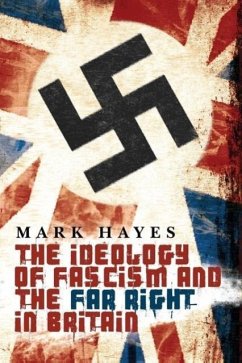
 The Ideology of Fascism and the Far Right in Britain39,99 €
 Shades of Right49,99 €
 Prussian Socialism and Other Essays24,99 €

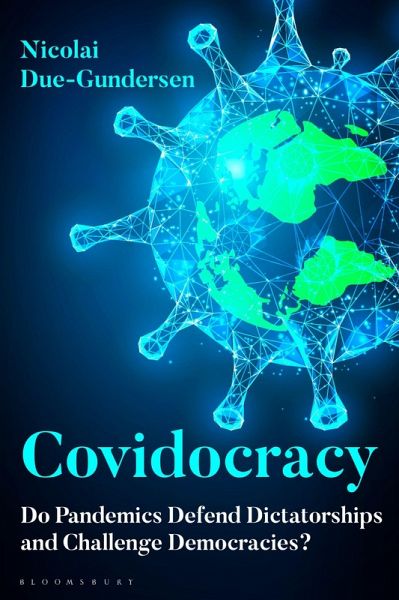
In December 2019, China reported the first COVID cases to the World Health Organization going on to impose lockdowns as early as January 2020. Saudi Arabia announced national curfews after only a few hundred cases, under threat of fines and jailtime. By mid-March, the UK too, went into its first lockdown. But how did COVID-19 go on to impact different political regimes - did it support authoritarianism and did it erode democracy? In this book, Due-Gundersen discusses what elements of political legitimacy world leaders drew on to justify COVID restrictions. It traces the history of how China, Saudi Arabia, Britain and the United States responded to previous pandemics and to what extent leaders in power attempted to centralize their authority in the years leading up to COVID. Through analysis of public discourse given in response to COVID and to vaccine development, Due-Gundersen uses novel methodology to measure political legitimacy and political persuasion to reveal how COVID affected democratic and non-democratic legitimacy.