
Andere Kunden interessierten sich auch für
 The Cratylus of Plato146,99 €
 Guardians in Action159,99 €
 From The Aristotelian "Mimesis" to the Contemporary One17,95 €
 Plato Contra Atheos: Plato Against the Atheists; Or, the Tenth Book of the Dialogue On Laws, Accompanied With Critical Notes, and Followed36,99 €
 Hades79,00 €
 Essays. From 2002 to 202042,95 €
 PHILOSOPHOS PLATOS MISSING DIALOGUE C87,99 €

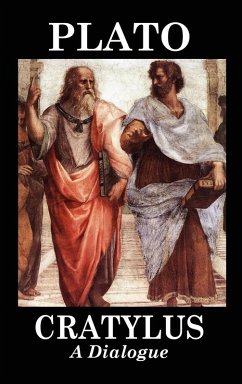
In this dialogue, Plato delves into the philosophy of language, exploring the relationship between words and the objects they represent. Through the characters of Socrates, Hermogenes, and Cratylus, the discussion navigates whether names are natural or conventional, questioning if language can truly capture the essence of things. The dialogue presents early thoughts on linguistic theory, examining how words shape our understanding of reality and the world around us.