
Andere Kunden interessierten sich auch für
 The Problem of Forming Social Capital38,99 €
 Disability and Masculinities83,99 €
 On the Politics of Ugliness129,99 €
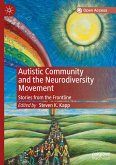
 Autistic Community and the Neurodiversity Movement38,99 €
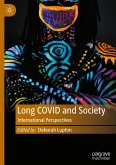
 Long COVID and Society90,99 €
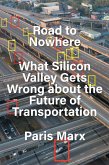
 Road to Nowhere9,99 €
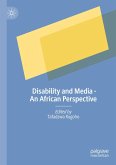
 Disability and Media - An African Perspective98,99 €
This book offers a unique approach to disabled children s views, articulating methodological reflections and experiences from a study conducted with children with diagnoses of autism and their parents. The reader is invited to engage with the ways children reclaim their social agency and multiple ways of knowing, being and becoming, through creative encounters where mattering and autonomy are protected.
Weaving together arts scholarship, art activism, multimodality, critical poetic narrative, and Gramsci s organic intellectualism, the book maps the oppressive systems that dehumanise and stifle disabled children s identities, reshape parenthood and obscure capabilities.
The author addresses the value of creative autonomy, affect and reflexivity in ethical research, disrupting the directive practices that pervade disabled lives. This is an urgent call to question the different ways children s freedom of expression is easily sacrificed, enmeshed in rhetoric, bureaucracy and habit.
The dialogue between the narrative and the artworks opens up diverse channels for recognition, to learn from children, to be present, resist direction, and restore our shared humanness.
Weaving together arts scholarship, art activism, multimodality, critical poetic narrative, and Gramsci s organic intellectualism, the book maps the oppressive systems that dehumanise and stifle disabled children s identities, reshape parenthood and obscure capabilities.
The author addresses the value of creative autonomy, affect and reflexivity in ethical research, disrupting the directive practices that pervade disabled lives. This is an urgent call to question the different ways children s freedom of expression is easily sacrificed, enmeshed in rhetoric, bureaucracy and habit.
The dialogue between the narrative and the artworks opens up diverse channels for recognition, to learn from children, to be present, resist direction, and restore our shared humanness.