This cutting-edge anthology provides comprehensive coverage of the field of criminal justice. Each unit begins with a thorough introductory chapter, and brief introductions frame each chapter, putting the material into context for students. Thirty-six of these compelling essays are new to this edition and cover the following topics: * Guns and homicide rates * How genetics affect criminal behavior * Wrongful convictions * Community policing * Citizen complaints and problem officers * Challenges of transnational crime * Drug courts * Victim-offender mediation * Community prosecution programs *…mehr
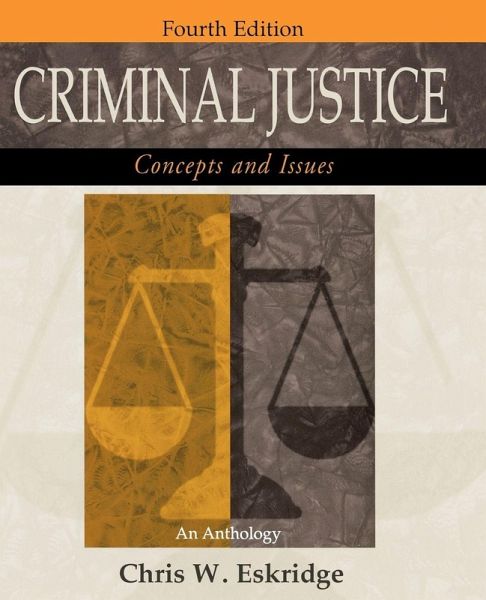
This cutting-edge anthology provides comprehensive coverage of the field of criminal justice. Each unit begins with a thorough introductory chapter, and brief introductions frame each chapter, putting the material into context for students. Thirty-six of these compelling essays are new to this edition and cover the following topics: * Guns and homicide rates * How genetics affect criminal behavior * Wrongful convictions * Community policing * Citizen complaints and problem officers * Challenges of transnational crime * Drug courts * Victim-offender mediation * Community prosecution programs * Difficulties in prosecuting domestic violence * Spirituality in probation * Preventing gang involvement * Do juvenile "boot camps" really work? * Parents and the control of juvenile delinquency * Addressing female juvenile offenders * The restorative model of justice * Explaining changes in crime rates The text also features helpful synopses of 100 leading justice-related and Supreme Court cases, as well as listings of professional organizations and information sources that focus on the field of criminal justice. Lively discussion questions follow each unit, and a subject index links topics directly to the chapters in which they appear. A completely revised, comprehensive Instructor's Manual/Testing Program is also available in electronic format.
* * New to the Fourth Edition * Unit I: Crime and Justice in America * 1. Justice and the American Justice Network, Chris W. Eskridge * *2. Explaining the American and Canadian Crime "Drop" in the 1990s, Mark Ouimet * *3. Armed Americans: The Impact of Firearm Availability on National Homicide Rates, Anthony W. Hoskin * *4. Black and White Differences in the Perception of Justice, Deane C. Wiley * *5. Genetic Factors and Criminal Behavior, Jasmine A. Tehrani and Sarnoff A. Mednick * *6. Estimating Wrongful Convictions, Tony G. Poveda * *7. The United States Supreme Court and the Fourth Amendment Evolution From Warren to Post-Warren Perspectives, Jack E. Call * Unit II: American Law Enforcement * 8. Police Crackdowns, Lawrence Sherman * *9. Community Policing: Is It Changing the Basic Functions of Policing? Findings From a Longitudinal Study of 200+ Municipal Police Agencies, Jihong Zhao, Nicholas P. Lovrich, and T. Hank Robinson * *10. Police Culture, Individualism, and Community Policing: Evidence From Two Police Departments, Eugene A. Paoline, III, Stephanie M. Myers, and Robert E. Worden * *11. Patrol Officers and Problem Solving: An Application of Expectancy Theory, Christina DeJong, Stephen D. Mastrofski, and Roger B. Parks * *12. Citizen Complaints and Problem Officers: Examining Officer Behavior, William Terrill and John McCluskey * 13. Police Use of Deadly Force: Research and Reform, James J. Fyfe * *14. Transnational Crime: Implications for Local Law Enforcement, Kip Schlegel * Unit III: American Courts * *15. The Origins and Development of Courts, Richard E. Messick * *16. The Drug Court as a Sentencing Model, Gene Kassebaum and Duane K. Okamoto * *17. The Impact of Victim-Offender Mediation: Two Decades of Research, Mark S. Umbreit, Robert B. Coates, and Betty Vos * *18. Prosecutors Discover the Community, Brian Forst * 19. The Effects of Pretrial Publicity on Jurors, Norbert L. Kerr * *20. Expectations of Privacy? Jurors' Views of Voir Dire Questions, Mary R. Rose * *21. Victim Cooperation and the Prosecution of Domestic Violence in a Specialized Court, Myrna Dawson and Ronit Dinovitzer * Unit IV: American Corrections * *22. The Future of Probation: Reintroducing the Spiritual Dimension Into Correctional Practice, John T. Whitehead and Michael C. Braswell * 23. Intermediate Sanctions in Sentencing Guidelines, Michael Tonry * *24. Prison-Based Programming: What It Can Do and Why It Is Needed, Daniel P. Mears, Sarah Lawrence, Amy L. Solomon, and Michelle Waul * *25. Denial of Parole: An Inmate Perspective, Mary West-Smith, Mark R. Pogrebin, and Eric D. Poole * *26. Community Supervision, Prosocial Activities, and Recidivism, Doris Layton MacKenzie and Robert Brame * 27. Race, Religion, and Support for the Death Penalty: A Research Note, Chester L. Britt * *28. Beyond Correctional Quackery: Professionalism and the Possibility of Effective Treatment, Edward J. Latessa, Francis T. Cullen, and Paul Gendreau * Unit V: American Juvenile Justice * *29. Serious, Violent, and Chronic Juvenile Offenders: The Relationship of Delinquency Career Types to Adult Criminality, Kimberly Kempf-Leonard, Paul E. Tracy, and James C. Howell * *30. Preventing Adolescent Gang Involvement, Finn-Aage Esbensen * *31. A National Study Comparing the Environments of Boot Camps With Traditional Facilities for Juvenile Offenders, Doris Layton MacKenzie, Angela R. Gover, Gaylene Styve Armstrong, and Ojmarrh Mitchell * *32. Parental Efficacy and Delinquent Behavior: Do Control and Support Matter?, John Paul Wright and Francis T. Cullen * *33. Sentencing Guidelines and the Transformation of Juvenile Justice in the 21st Century, Daniel P. Mears * *34. Moving Toward Justice for Females Juvenile Offenders in the New Millennium, Barbara Bloom, Barbara Owen, Elizabeth Piper Deschenes, and Jill Rosenbaum * Unit VI: The Future of Justice in America * 35. Understanding and Preventing Violence, Jeffrey Roth * *36. Criminal Justice and the Future of Civil Liberties, Marvin Zalman * *37. Restoring Justice to the Community: A Realistic Goal?, Susan Sarnoff * *38. Wrongful Conviction and Public Policy, C. Ronald Huff * Appendices * A. Criminal Justice-Related Professional Organizations * B. 100 Leading Justice System-Related Supreme Court Cases
* * New to the Fourth Edition * Unit I: Crime and Justice in America * 1. Justice and the American Justice Network, Chris W. Eskridge * *2. Explaining the American and Canadian Crime "Drop" in the 1990s, Mark Ouimet * *3. Armed Americans: The Impact of Firearm Availability on National Homicide Rates, Anthony W. Hoskin * *4. Black and White Differences in the Perception of Justice, Deane C. Wiley * *5. Genetic Factors and Criminal Behavior, Jasmine A. Tehrani and Sarnoff A. Mednick * *6. Estimating Wrongful Convictions, Tony G. Poveda * *7. The United States Supreme Court and the Fourth Amendment Evolution From Warren to Post-Warren Perspectives, Jack E. Call * Unit II: American Law Enforcement * 8. Police Crackdowns, Lawrence Sherman * *9. Community Policing: Is It Changing the Basic Functions of Policing? Findings From a Longitudinal Study of 200+ Municipal Police Agencies, Jihong Zhao, Nicholas P. Lovrich, and T. Hank Robinson * *10. Police Culture, Individualism, and Community Policing: Evidence From Two Police Departments, Eugene A. Paoline, III, Stephanie M. Myers, and Robert E. Worden * *11. Patrol Officers and Problem Solving: An Application of Expectancy Theory, Christina DeJong, Stephen D. Mastrofski, and Roger B. Parks * *12. Citizen Complaints and Problem Officers: Examining Officer Behavior, William Terrill and John McCluskey * 13. Police Use of Deadly Force: Research and Reform, James J. Fyfe * *14. Transnational Crime: Implications for Local Law Enforcement, Kip Schlegel * Unit III: American Courts * *15. The Origins and Development of Courts, Richard E. Messick * *16. The Drug Court as a Sentencing Model, Gene Kassebaum and Duane K. Okamoto * *17. The Impact of Victim-Offender Mediation: Two Decades of Research, Mark S. Umbreit, Robert B. Coates, and Betty Vos * *18. Prosecutors Discover the Community, Brian Forst * 19. The Effects of Pretrial Publicity on Jurors, Norbert L. Kerr * *20. Expectations of Privacy? Jurors' Views of Voir Dire Questions, Mary R. Rose * *21. Victim Cooperation and the Prosecution of Domestic Violence in a Specialized Court, Myrna Dawson and Ronit Dinovitzer * Unit IV: American Corrections * *22. The Future of Probation: Reintroducing the Spiritual Dimension Into Correctional Practice, John T. Whitehead and Michael C. Braswell * 23. Intermediate Sanctions in Sentencing Guidelines, Michael Tonry * *24. Prison-Based Programming: What It Can Do and Why It Is Needed, Daniel P. Mears, Sarah Lawrence, Amy L. Solomon, and Michelle Waul * *25. Denial of Parole: An Inmate Perspective, Mary West-Smith, Mark R. Pogrebin, and Eric D. Poole * *26. Community Supervision, Prosocial Activities, and Recidivism, Doris Layton MacKenzie and Robert Brame * 27. Race, Religion, and Support for the Death Penalty: A Research Note, Chester L. Britt * *28. Beyond Correctional Quackery: Professionalism and the Possibility of Effective Treatment, Edward J. Latessa, Francis T. Cullen, and Paul Gendreau * Unit V: American Juvenile Justice * *29. Serious, Violent, and Chronic Juvenile Offenders: The Relationship of Delinquency Career Types to Adult Criminality, Kimberly Kempf-Leonard, Paul E. Tracy, and James C. Howell * *30. Preventing Adolescent Gang Involvement, Finn-Aage Esbensen * *31. A National Study Comparing the Environments of Boot Camps With Traditional Facilities for Juvenile Offenders, Doris Layton MacKenzie, Angela R. Gover, Gaylene Styve Armstrong, and Ojmarrh Mitchell * *32. Parental Efficacy and Delinquent Behavior: Do Control and Support Matter?, John Paul Wright and Francis T. Cullen * *33. Sentencing Guidelines and the Transformation of Juvenile Justice in the 21st Century, Daniel P. Mears * *34. Moving Toward Justice for Females Juvenile Offenders in the New Millennium, Barbara Bloom, Barbara Owen, Elizabeth Piper Deschenes, and Jill Rosenbaum * Unit VI: The Future of Justice in America * 35. Understanding and Preventing Violence, Jeffrey Roth * *36. Criminal Justice and the Future of Civil Liberties, Marvin Zalman * *37. Restoring Justice to the Community: A Realistic Goal?, Susan Sarnoff * *38. Wrongful Conviction and Public Policy, C. Ronald Huff * Appendices * A. Criminal Justice-Related Professional Organizations * B. 100 Leading Justice System-Related Supreme Court Cases
Es gelten unsere Allgemeinen Geschäftsbedingungen: www.buecher.de/agb
Impressum
www.buecher.de ist ein Internetauftritt der buecher.de internetstores GmbH
Geschäftsführung: Monica Sawhney | Roland Kölbl | Günter Hilger
Sitz der Gesellschaft: Batheyer Straße 115 - 117, 58099 Hagen
Postanschrift: Bürgermeister-Wegele-Str. 12, 86167 Augsburg
Amtsgericht Hagen HRB 13257
Steuernummer: 321/5800/1497
USt-IdNr: DE450055826