
Andere Kunden interessierten sich auch für
 Mob Violence in Bukavu's Urban Slums: Understanding the Causes27,99 €
 The Mentally Retarded in Society70,00 €
 Debating Immigration in the Age of Terrorism, Polarization, and Trump49,99 €
 Research Methodology: Socio-criminal Diagnosis37,99 €
 State Criminality124,99 €
 Debating Immigration in the Age of Terrorism, Polarization, and Trump110,99 €
 Between Care and Criminality147,99 €







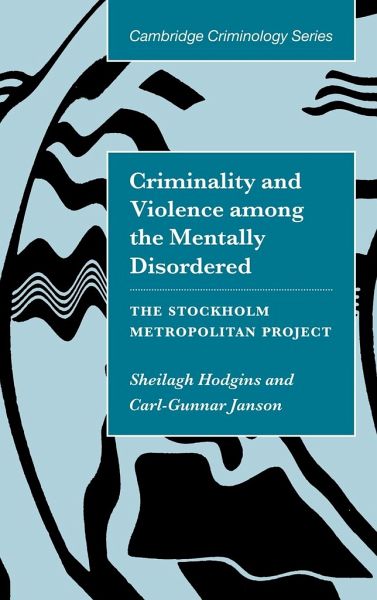
In recent years it has become apparent that mentally ill people are at increased risk of committing crimes of violence. Most writing and research about crime and mental disorder has focused necessarily on the immediate problems which confront clinicians and law makers - assessing and managing the future risk of violence. In this important new book the authors attempt to step back from these immediate preoccupations and describe the criminality of the mentally ill and try to identify the complex chain of factors which cause it. As part of their analysis they examine a unique cohort composed of 15,117 persons born in Stockholm who were studied from pregnancy to the age of thirty. While they conclude that we still do not understand exactly how and why persons with major mental disorders commit crimes, their findings make a valuable contribution to ongoing debates on mental health and criminal justice policy and practice.