
Andere Kunden interessierten sich auch für
 Philosophical and Political Consequences of the Critique of Political Economy106,99 €
 The Visible, the Sublime and the Sensus Communis38,99 €
 Nietzsche's Ethics and Critique of Morality34,99 €
 An Introduction to Human Rights in African Philosophy39,99 €
 The Anxious Human Being76,99 €
 The Price of Precaution and the Ethics of Risk76,99 €
 Happiness is the Wrong Metric17,99 €

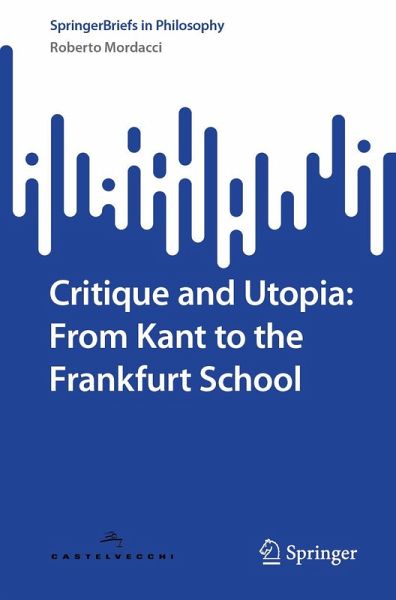
This book envisions a more practical effectiveness of critical theory thru consideration of concrete alternatives that allow for the capability of a gradually transformed and redeemed reality. Mordacci combines critique with utopia, and inspires new visions in political thought aimed at dismantling structures of domination and constructing a more emancipated version of social life. This text appeals to both students and researchers.