50,99 €
inkl. MwSt.
Versandkostenfrei*Erscheint vorauss. 13. April 2026
Melden Sie sich
hier
hier
für den Produktalarm an, um über die Verfügbarkeit des Produkts informiert zu werden.

25 °P sammeln
Andere Kunden interessierten sich auch für
 Forensic Mental Health Practice and the Law65,99 €
 International Handbook of Threat Assessment166,99 €
 Forensic Face Matching60,99 €
 International Perspectives on Violence Risk Assessment100,99 €
 Manual") Juvenile Sex Offender Assessment Protocol-II (J-SOAP-II) Manual14,99 €
Juvenile Sex Offender Assessment Protocol-II (J-SOAP-II) Manual14,99 € Domestic Violence Risk Assessment57,99 €
 Family Guide to Mental Illness and the Law52,99 €
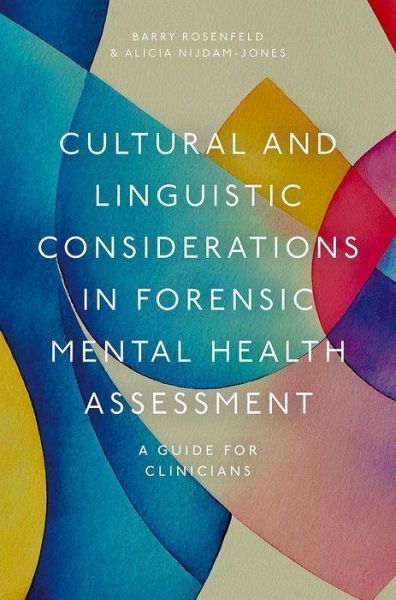
As English-speaking societies become increasingly diverse, clinical psychologists are often called upon to work with individuals from a wide range of ethnic, cultural, linguistic, and religious backgrounds. These intersecting identities shape an individual's lived experience and can significantly impact the accuracy of psychological evaluations. It is therefore critical for clinicians to account for cultural differences, particularly in forensic mental health assessment, due to the disproportionate number of individuals from diverse backgrounds who come into contact with the legal system and the weighty consequences which can stem from forensic evaluation. Cultural and Linguistic Considerations in Forensic Mental Health Assessment summarizes the emerging psychological research and legal and mental health practice guidelines surrounding work with diverse populations, particularly as these issues pertain to forensic mental health evaluations. It focuses on the evaluation of individuals whose cultural, linguistic, or community experiences differ from those of the evaluator--an increasingly common reality in clinical practice. The book provides clinicians and trainees with a foundation for conducting culturally informed and context sensitive assessments and guides researchers by identifying gaps, methodological challenges, and future directions in the study of cross-cultural forensic mental health assessment. Ultimately, the authors call for more accurate, equitable, and culturally responsive evaluations for those who are historically overrepresented, yet often underserved, within forensic systems.