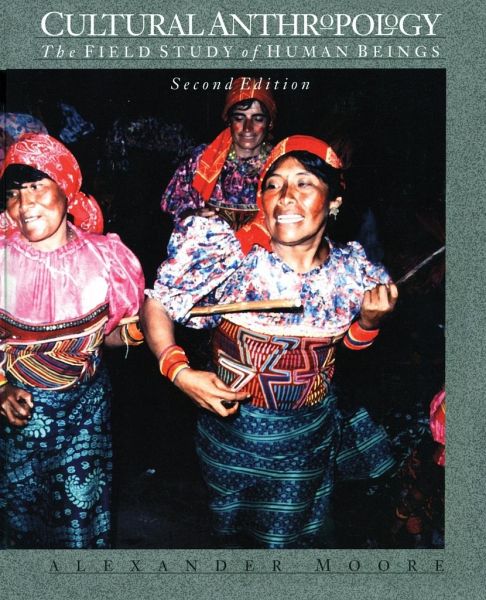
Moore's Cultural Anthropology, Second Edition is an introduction to the study of cultures via an updated version of the community study/network method. Using a multiple institutional, holistic approach, his book is organized in five sections: understanding the human primate; band communities and elemental human institutions; tribes and emergent institutions; traditional civilizations; and the anthropology of modern life. This book is ideal for undergraduate introductory courses in cultural anthropology.
Moore's Cultural Anthropology, Second Edition is an introduction to the study of cultures via an updated version of the community study/network method. Using a multiple institutional, holistic approach, his book is organized in five sections: understanding the human primate; band communities and elemental human institutions; tribes and emergent institutions; traditional civilizations; and the anthropology of modern life. This book is ideal for undergraduate introductory courses in cultural anthropology.
Alexander Moore is professor of anthropology at the University of Southern California.
Inhaltsangabe
Chapter 1 Preface: A Personal Statement of Theoretical Position Part 2 PART I. Anthropology: Understanding the Human Primate Chapter 3 1. Anthropology as Encounter with Unknown Peoples Chapter 4 2. An Overview of Cultural Anthropology: A Succession of Cultures and Communities Chapter 5 3. Field Work: Accurate Data and Adequate Theory Chapter 6 4. The Primate Homo Sapiens: Our Place in Nature Part 7 PART II. Band Communities and Elemental Human Institutions Chapter 8 5. The Band Community: Synchronizing Human Activity Cycles for Group Cooperation Chapter 9 6. Ritual and Myth Chapter 10 7. The Human Family: An Emergent Institution in Band Communities Chapter 11 8. Values and Exchange: Bands and the Original Economy Part 12 PART III. Tribes and Emergent Institutions Chapter 13 9. Extending the Human Family and Forming Tribal Communities: Households and Descent Groups among Tribal People Chapter 14 10. Tribal Warfare Complexes: Aggressive Sequences and Balanced Negative Exchanges Chapter 15 11. Feasting and Trading Systems: The Economics of Redistribution and Trading Rings Chapter 16 12. Tribal Politics: Leadership and its Rewards Chapter 17 13. Shamans and Prophets: Catalysts for Therapy and Cultural Change Part 18 PART IV. Traditional Civilizations Chapter 19 14. Urban Cultures and Communities: The Nature of Early Civilization Chapter 20 15. The Original Bureaucracies Chapter 21 16. Folk Cultures and Communities: Civilized "Insolents" and Peasants Part 22 PART V. The Anthropology of Modern Life Chapter 23 17. The Market and the Modern Metropolis: A New System of Exchange and the Rise of Commercial Industrial Cities Chapter 24 18. Corporate Bureaucracy and the Culture of Modern Work Chapter 25 19. Modernity and Culture Part 26 Epilogue. Applied Anthropology and the Policy Process Part 27 References Part 28 Credits Part 29 Index
Chapter 1 Preface: A Personal Statement of Theoretical Position Part 2 PART I. Anthropology: Understanding the Human Primate Chapter 3 1. Anthropology as Encounter with Unknown Peoples Chapter 4 2. An Overview of Cultural Anthropology: A Succession of Cultures and Communities Chapter 5 3. Field Work: Accurate Data and Adequate Theory Chapter 6 4. The Primate Homo Sapiens: Our Place in Nature Part 7 PART II. Band Communities and Elemental Human Institutions Chapter 8 5. The Band Community: Synchronizing Human Activity Cycles for Group Cooperation Chapter 9 6. Ritual and Myth Chapter 10 7. The Human Family: An Emergent Institution in Band Communities Chapter 11 8. Values and Exchange: Bands and the Original Economy Part 12 PART III. Tribes and Emergent Institutions Chapter 13 9. Extending the Human Family and Forming Tribal Communities: Households and Descent Groups among Tribal People Chapter 14 10. Tribal Warfare Complexes: Aggressive Sequences and Balanced Negative Exchanges Chapter 15 11. Feasting and Trading Systems: The Economics of Redistribution and Trading Rings Chapter 16 12. Tribal Politics: Leadership and its Rewards Chapter 17 13. Shamans and Prophets: Catalysts for Therapy and Cultural Change Part 18 PART IV. Traditional Civilizations Chapter 19 14. Urban Cultures and Communities: The Nature of Early Civilization Chapter 20 15. The Original Bureaucracies Chapter 21 16. Folk Cultures and Communities: Civilized "Insolents" and Peasants Part 22 PART V. The Anthropology of Modern Life Chapter 23 17. The Market and the Modern Metropolis: A New System of Exchange and the Rise of Commercial Industrial Cities Chapter 24 18. Corporate Bureaucracy and the Culture of Modern Work Chapter 25 19. Modernity and Culture Part 26 Epilogue. Applied Anthropology and the Policy Process Part 27 References Part 28 Credits Part 29 Index
Es gelten unsere Allgemeinen Geschäftsbedingungen: www.buecher.de/agb
Impressum
www.buecher.de ist ein Internetauftritt der buecher.de internetstores GmbH
Geschäftsführung: Monica Sawhney | Roland Kölbl | Günter Hilger
Sitz der Gesellschaft: Batheyer Straße 115 - 117, 58099 Hagen
Postanschrift: Bürgermeister-Wegele-Str. 12, 86167 Augsburg
Amtsgericht Hagen HRB 13257
Steuernummer: 321/5800/1497
USt-IdNr: DE450055826