
Andere Kunden interessierten sich auch für
 Religion and Custom in a Muslim Society115,99 €
 Eyes Off the Prize117,99 €
 Guns, Race, and Power in Colonial South Africa83,99 €
 In Search of Power101,99 €
 Jim Crow Moves North83,99 €
 Afrotopia123,99 €
 Ploughshares Into Swords105,99 €



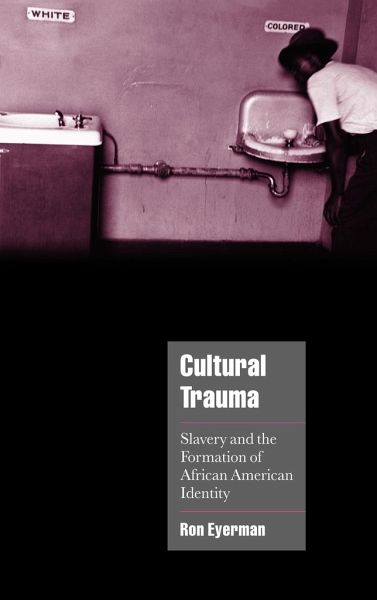
In this book, Ron Eyerman explores the formation of the African-American identity through the theory of cultural trauma. The trauma in question is slavery, not as an institution or as personal experience, but as collective memory: a pervasive remembrance that grounded a people's sense of itself. Combining a broad narrative sweep with more detailed studies of important events and individuals, Eyerman reaches from Emancipation through the Harlem Renaissance, the Depression, the New Deal and the Second World War to the Civil Rights movement and beyond. He offers insights into the intellectual and generational conflicts of identity-formation which have a truly universal significance, as well as providing a compelling account of the birth of African-American identity. Anyone interested in questions of assimilation, multiculturalism and postcolonialism will find this book indispensable.