112,99 €
inkl. MwSt.
Versandkostenfrei*Erscheint vorauss. 19. März 2026
Melden Sie sich
hier
hier
für den Produktalarm an, um über die Verfügbarkeit des Produkts informiert zu werden.

56 °P sammeln
Andere Kunden interessierten sich auch für
 Perspectives on American Dance88,99 €
 Perspectives on American Dance102,99 €
 A Cultural History of Tragedy in the Modern Age107,99 €
 Heaven Has a Face, So Does Hell105,99 €
 Dance as Yoga26,99 €
 Hula9,99 €
 The Russian Ballet27,99 €




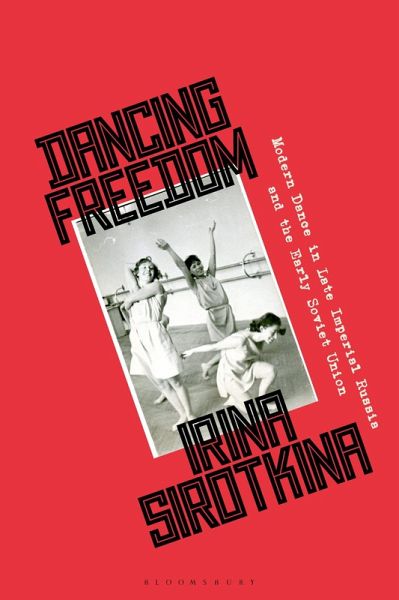
For a long time, dance scholars and the public were hardly aware that modern dance existed in Russia. This book, however, delves into its presence, significance and survival in the late Tsarist and Soviet era, showing the large and significant positive contribution this made to the history of modern dance. A creation of liberal body politics, 'free' or 'modern' dance flourished in late Imperial Russia and the early Soviet Union, before the hardening of communist regimes. An ideal embodiment of emancipation, free dance attracted dancers and audiences, including a significant number of modernist artists and intellectuals. This book looks in particular at Isadora Duncan and her impact on Stanislavsky's methods, as well as on the ballet choreographer Michel Fokine. It throws light on Duncan's Moscow School, biomechanics and many modern dance studios of the time, their role in creating new systems of training - different from ballet - and their creation of a modern dance 'body'. We come to see free dance into the years of Stalin's Cultural Revolution, where choreographers had to adapt to the new ideological environment - a far cry from the previous freedom of modern dance.