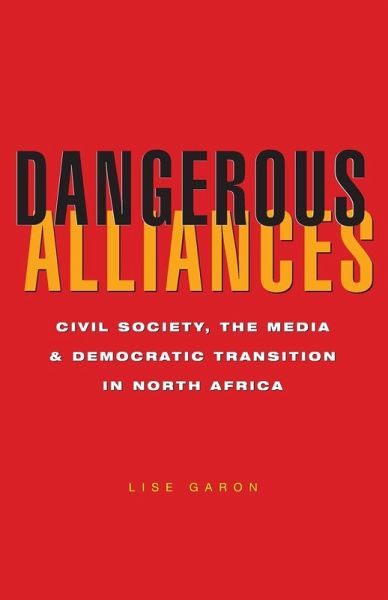
This book provides an analytically original and empirically rich study of the Maghreb's highly erratic encounter with democratization in recent years. It is an illuminating study of the complex and very diverse encounters between civil society and the authorities in Tunisia, Algeria and Morocco, as opposition has built up in each society and those in power have confronted the pressures for democratization. The author provides a significant contribution to political sociology's understanding - via the development of a dynamic systems model that incorporates the existence of fundamental conflict…mehr
This book provides an analytically original and empirically rich study of the Maghreb's highly erratic encounter with democratization in recent years. It is an illuminating study of the complex and very diverse encounters between civil society and the authorities in Tunisia, Algeria and Morocco, as opposition has built up in each society and those in power have confronted the pressures for democratization. The author provides a significant contribution to political sociology's understanding - via the development of a dynamic systems model that incorporates the existence of fundamental conflict - of how democratic institutions can become institutionalized, and of the constant possibility of any democratic transition being reversed.
Lise Garon is Professor of Political Communication at Laval University, Quebec, Canada. She chairs the International Political Science Association's Research Committee on Political Processes in North Africa. As a close observer of political change in North Africa where she has conducted fieldwork over many years, her research has focused on democratization processes, public debates and the media in that region. She is the author of two books: L'obsession Unitaire et la Nation Trompee/ La fin de l'Algerie Socialiste, Presses de l'Universite Laval, 1993 Le Silence Tunisien. Les Alliances Dangereuses au Maghreb, L'Harmattan, 1998
Inhaltsangabe
Acknowledgements Preface by Clovis Demers Introduction Part I: The Public Arena in the Maghreb: Convergences and Divergences 1. Setting the Stage 2. Tunisia: The Domination of Plato's Cave 3. The Tunisian Transition to Democracy Did Not Take Place 4. 'I am the State' 5. A Police State 6. A Legal System in Captivity 7. Alternation in Office Impossible 8. Tunisia: The Submission to Plato's Cave 9. Tunisian Civil Society before Its Collapse 10. The Fatal Alliance 11. The Destruction of Al-Nahdha 12. The Undermining of the Tunisian League for Human Rights 13. Tunisia: Locking Up Plato's Cave 14. Disadvantaged Media 15. How the Tunisian Media Were Neutralized 16. Survival Strategies 17. The Happy Agenda 18. Relations with the Foreign Press 19. Banning International Human Rights Monitoring 20. Algeria: The Children of Jocasta 21. The Birth of Civil Society 22. The Oedipus Temptation 23. The Unfinished Business of Remaking the Public Arena 24. The Press and Its Role in Political Developments 25. Between Open Dissidence and 'Moderate' Opposition: Prospects for a Rebirth 26. Morocco: The Slow Ascent of Sisyphus 27. The Amaoui Affair 28. A Long Pluralistic Tradition 29. A Moroccan Model for the Construction of a Civil Society 30. Facilitating Factors and Obstacles 31. Conclusion: The Public Political Arena in the Maghreb Part II: The Aftermath of Dangerous Alliances: Transformations and Continuities in the Political Arena 32. Between Cries and Whispers 33. Happy Tunisia: The Authorized Account 34. A Dream for Tourists and Foreign Investors 35. The Security Mania 36. The Show Democracy: Arguments and Techniques of Stage-Setting 37. The Quest for International Approval 38. Propaganda Achievements 39. The International Press and the Algerian Guardians of Democracy 40. The Rhetoric of Objectivity 41. How the International Press Took Sides in the Algerian Conflict 42. The Rebuilding of a Pluralistic Public Forum by the International Press 43. Tunisian Dissident Information Networks 44. Unarmed Prophets 45. In European Circles 46. Internal Dissidence 47. Discrediting Dissidents 48. The State of Tunisian Dissidence 49. Islam: Dismantling a Clich, Propositions: Religion is a Marginal Theme in the Press Islam is Not the Explanation for Everything Culturally, Islam is also a Product of Maghreb's Political Systems Freedom or Tyranny? Perspectives in the Maghreb Algeria Tunisia Toward a Sociology of Citizenship in a Globalizing World A Political Systems Model The Classical Democratic Model A Dynamic Conflictual Model of Democracy Democratic Transitions are Reversible The International Media's Connivance with Dictatorships Reversing the Spiral of Silence Bibliography Index
Acknowledgements Preface by Clovis Demers Introduction Part I: The Public Arena in the Maghreb: Convergences and Divergences 1. Setting the Stage 2. Tunisia: The Domination of Plato's Cave 3. The Tunisian Transition to Democracy Did Not Take Place 4. 'I am the State' 5. A Police State 6. A Legal System in Captivity 7. Alternation in Office Impossible 8. Tunisia: The Submission to Plato's Cave 9. Tunisian Civil Society before Its Collapse 10. The Fatal Alliance 11. The Destruction of Al-Nahdha 12. The Undermining of the Tunisian League for Human Rights 13. Tunisia: Locking Up Plato's Cave 14. Disadvantaged Media 15. How the Tunisian Media Were Neutralized 16. Survival Strategies 17. The Happy Agenda 18. Relations with the Foreign Press 19. Banning International Human Rights Monitoring 20. Algeria: The Children of Jocasta 21. The Birth of Civil Society 22. The Oedipus Temptation 23. The Unfinished Business of Remaking the Public Arena 24. The Press and Its Role in Political Developments 25. Between Open Dissidence and 'Moderate' Opposition: Prospects for a Rebirth 26. Morocco: The Slow Ascent of Sisyphus 27. The Amaoui Affair 28. A Long Pluralistic Tradition 29. A Moroccan Model for the Construction of a Civil Society 30. Facilitating Factors and Obstacles 31. Conclusion: The Public Political Arena in the Maghreb Part II: The Aftermath of Dangerous Alliances: Transformations and Continuities in the Political Arena 32. Between Cries and Whispers 33. Happy Tunisia: The Authorized Account 34. A Dream for Tourists and Foreign Investors 35. The Security Mania 36. The Show Democracy: Arguments and Techniques of Stage-Setting 37. The Quest for International Approval 38. Propaganda Achievements 39. The International Press and the Algerian Guardians of Democracy 40. The Rhetoric of Objectivity 41. How the International Press Took Sides in the Algerian Conflict 42. The Rebuilding of a Pluralistic Public Forum by the International Press 43. Tunisian Dissident Information Networks 44. Unarmed Prophets 45. In European Circles 46. Internal Dissidence 47. Discrediting Dissidents 48. The State of Tunisian Dissidence 49. Islam: Dismantling a Clich, Propositions: Religion is a Marginal Theme in the Press Islam is Not the Explanation for Everything Culturally, Islam is also a Product of Maghreb's Political Systems Freedom or Tyranny? Perspectives in the Maghreb Algeria Tunisia Toward a Sociology of Citizenship in a Globalizing World A Political Systems Model The Classical Democratic Model A Dynamic Conflictual Model of Democracy Democratic Transitions are Reversible The International Media's Connivance with Dictatorships Reversing the Spiral of Silence Bibliography Index
Es gelten unsere Allgemeinen Geschäftsbedingungen: www.buecher.de/agb
Impressum
www.buecher.de ist ein Internetauftritt der buecher.de internetstores GmbH
Geschäftsführung: Monica Sawhney | Roland Kölbl | Günter Hilger
Sitz der Gesellschaft: Batheyer Straße 115 - 117, 58099 Hagen
Postanschrift: Bürgermeister-Wegele-Str. 12, 86167 Augsburg
Amtsgericht Hagen HRB 13257
Steuernummer: 321/5800/1497
USt-IdNr: DE450055826