
Data Protection in Humanitarian Action
Responding to Crises in a Data-Driven World
Herausgeber: Beduschi, Ana; Martin, Aaron; Marelli, Massimo
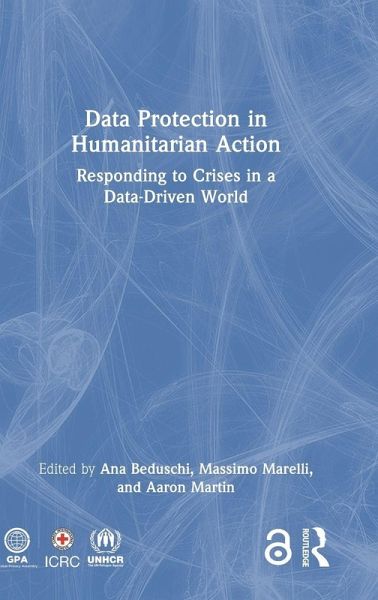
Data Protection in Humanitarian Action
Responding to Crises in a Data-Driven World
Herausgeber: Beduschi, Ana; Martin, Aaron; Marelli, Massimo
- Gebundenes Buch
- Merkliste
- Auf die Merkliste
- Bewerten Bewerten
- Teilen
- Produkt teilen
- Produkterinnerung
- Produkterinnerung
Through practitioner perspectives, empirical research, and conceptual reflections, this book examines how data protection underpins trust, accountability, and respect for affected populations, serving as a crucial enabler for ethical and effective humanitarian action in the digital age.
Andere Kunden interessierten sich auch für
 Jaemin LeeInternational Law in Action178,99 €
 Yusuf AksarImplementing International Humanitarian Law223,99 €
 Dug CubieThe International Legal Protection of Persons in Humanitarian Crises123,99 €
 Azadeh ChalabiNational Human Rights Action Planning119,99 €
 International Humanitarian Action65,99 €
 Andreas DimopoulosIssues in Human Rights Protection of Intellectually Disabled Persons188,99 €
 Natia Kalandarishvili-MuellerOccupation and Control in International Humanitarian Law141,99 €
-
-
-







Through practitioner perspectives, empirical research, and conceptual reflections, this book examines how data protection underpins trust, accountability, and respect for affected populations, serving as a crucial enabler for ethical and effective humanitarian action in the digital age.
Produktdetails
- Produktdetails
- Verlag: Routledge
- Seitenzahl: 418
- Erscheinungstermin: 27. Oktober 2025
- Englisch
- Abmessung: 240mm x 161mm x 27mm
- Gewicht: 790g
- ISBN-13: 9781041094074
- ISBN-10: 1041094078
- Artikelnr.: 74979462
- Herstellerkennzeichnung
- Libri GmbH
- Europaallee 1
- 36244 Bad Hersfeld
- gpsr@libri.de
- Verlag: Routledge
- Seitenzahl: 418
- Erscheinungstermin: 27. Oktober 2025
- Englisch
- Abmessung: 240mm x 161mm x 27mm
- Gewicht: 790g
- ISBN-13: 9781041094074
- ISBN-10: 1041094078
- Artikelnr.: 74979462
- Herstellerkennzeichnung
- Libri GmbH
- Europaallee 1
- 36244 Bad Hersfeld
- gpsr@libri.de
Ana Beduschi is a Full Professor of Law with a Personal Chair at the University of Exeter. Her research and teaching focus on international human rights law, technology (including big data and artificial intelligence), data protection, and international migration and refugee law. Massimo Marelli is the Head of the Data Protection Office at the International Committee of the Red Cross. He is also a member of the Advisory Board and a Fellow at the European Centre on Privacy and Cybersecurity at the University of Maastricht, where he co-leads the Humanitarian Action Programme. Aaron Martin is an Assistant Professor of Media Studies and Data Science at the University of Virginia, United States. His research interests include data governance in development and humanitarian contexts, critical infrastructure protection, surveillance, and biometrics.
Foreword (Wojciech Wiewiórowski). Introduction: Data Protection in
Humanitarian Action: Responding to Crises in a Data-Driven World (Ana
Beduschi, Massimo Marelli and Aaron Martin) Section 1: Setting the Scene
1. The Contribution of Data Protection to Humanitarian Action: 10 Years of
Data Protection in Humanitarian Action (Massimo Marelli) Section 2:
Humanitarian Action in the Digital Age Section 2.1 An Evolving Humanitarian
Space 2. From Disconnected to Connected: How 10 Years of Increasing
Connectivity for Crisis-Affected Communities Has Increased the Importance
of Personal Data Protection (Betty (Jia Li) Wang and John Warnes) 3. The
Challenges of Building RedSafe, a Secure Digital Humanitarian Platform: An
Unsafe Journey? (Romain Bircher) 4. The Logic of Biometrics and
Organisational Accountability (Quito Tsui) Section 2.2 Understanding the
Digital Transformation of the Humanitarian Space through Data Protection 5.
Digital Transformation and the Humanitarian-Development Transition: The
Role of Digital Public Infrastructure and Data Protection (Emrys Schoemaker
and Aaron Martin) 6. Data Protection and Independence in an Age of
Hyperconnectivity (Martin Searle) 7. Data Protection as a Foundational
Pillar and Key Enabler of Trusted Digital Transformation (Charlotte Lindsey
Curtet) Section 3: Data Protection at the Crossroads Section 3.1 Evolution
of Data Protection and Humanitarian Action in International Law and
Diplomacy 8. Data Protection Regulation and International Humanitarian
Organisations: Revisiting the Origins, Nature and Significance of the UN
Guidelines on Personal Data Regulation (1990) (David Erdos) 9. Legal
Tensions: Insights from UN-EU Correspondence on EU Data Protection Law and
the Role of Privileges and Immunities in Enhancing Personal Data Protection
(Christina Vasala Kokkinaki) 10. The Council of Europe Convention for the
Protection of Individuals with Regard to the Processing of Personal Data
(Convention 108+) and International Organisations (Jean-Philippe Walter and
Sophie Kwasny) 11. Data Protection, Humanitarian Action, and Global
Regulatory Cooperation: The Role of the Global Privacy Assembly (Catherine
Lennman and Florence Dubosc) Section 3.2 Data Protection Law in
Humanitarian Practice 12. Data Protection in the Framework of Restoring
Family Links Humanitarian Activities: Code of Conduct and Resolutions
(Emily Knox) 13. By the Book, Beyond, and Backwards? Ethical Considerations
on the 2022 Data Breach Affecting the Family Links Network of the Red Cross
and Red Crescent Movement (Natalie Klein-Kelly) 14. Growing Data Protection
Maturity in Humanitarian Action: Changes in the Understanding of Key
Concepts (Dogu Han Buyukyagcioglu) 15. Data Sharing Between Humanitarian
Organisations and Donors: Accountability, Transparency, and Data Protection
in Principled Humanitarian Action (Larissa Fast, Stuart Campo and Gilles
Cerutti) Section 4: Regional and Local Perspectives on Data Protection 16.
"Withdraw Your Data": How Data Protection Legislation Can Reshape
Humanitarian Action (Timothy Charlton and Cassie Jiun Seo) 17. Context
Matters: Towards a Framework for Understanding Perceptions of Data
Protection in Humanitarian Aid (Timothy Charlton, Julia Feigen, and Silvia
Pelucchi) 18. Data Protection and the Asia-Pacific Region: Zooming into
Humanitarian Action (Hiroshi Miyashita) Section 5: Building Capacity and
Addressing Challenges Ahead 19. Teaching Data Protection as Trust-Building
(Cosimo Monda and Cristina Teleki) 20. Data Protection in the Times of
Artificial Intelligence: Towards a Digital Humanism (Wojciech Wiewiórowski
(with contributions from Olivier Matter and Michèle Dubrocard)
Humanitarian Action: Responding to Crises in a Data-Driven World (Ana
Beduschi, Massimo Marelli and Aaron Martin) Section 1: Setting the Scene
1. The Contribution of Data Protection to Humanitarian Action: 10 Years of
Data Protection in Humanitarian Action (Massimo Marelli) Section 2:
Humanitarian Action in the Digital Age Section 2.1 An Evolving Humanitarian
Space 2. From Disconnected to Connected: How 10 Years of Increasing
Connectivity for Crisis-Affected Communities Has Increased the Importance
of Personal Data Protection (Betty (Jia Li) Wang and John Warnes) 3. The
Challenges of Building RedSafe, a Secure Digital Humanitarian Platform: An
Unsafe Journey? (Romain Bircher) 4. The Logic of Biometrics and
Organisational Accountability (Quito Tsui) Section 2.2 Understanding the
Digital Transformation of the Humanitarian Space through Data Protection 5.
Digital Transformation and the Humanitarian-Development Transition: The
Role of Digital Public Infrastructure and Data Protection (Emrys Schoemaker
and Aaron Martin) 6. Data Protection and Independence in an Age of
Hyperconnectivity (Martin Searle) 7. Data Protection as a Foundational
Pillar and Key Enabler of Trusted Digital Transformation (Charlotte Lindsey
Curtet) Section 3: Data Protection at the Crossroads Section 3.1 Evolution
of Data Protection and Humanitarian Action in International Law and
Diplomacy 8. Data Protection Regulation and International Humanitarian
Organisations: Revisiting the Origins, Nature and Significance of the UN
Guidelines on Personal Data Regulation (1990) (David Erdos) 9. Legal
Tensions: Insights from UN-EU Correspondence on EU Data Protection Law and
the Role of Privileges and Immunities in Enhancing Personal Data Protection
(Christina Vasala Kokkinaki) 10. The Council of Europe Convention for the
Protection of Individuals with Regard to the Processing of Personal Data
(Convention 108+) and International Organisations (Jean-Philippe Walter and
Sophie Kwasny) 11. Data Protection, Humanitarian Action, and Global
Regulatory Cooperation: The Role of the Global Privacy Assembly (Catherine
Lennman and Florence Dubosc) Section 3.2 Data Protection Law in
Humanitarian Practice 12. Data Protection in the Framework of Restoring
Family Links Humanitarian Activities: Code of Conduct and Resolutions
(Emily Knox) 13. By the Book, Beyond, and Backwards? Ethical Considerations
on the 2022 Data Breach Affecting the Family Links Network of the Red Cross
and Red Crescent Movement (Natalie Klein-Kelly) 14. Growing Data Protection
Maturity in Humanitarian Action: Changes in the Understanding of Key
Concepts (Dogu Han Buyukyagcioglu) 15. Data Sharing Between Humanitarian
Organisations and Donors: Accountability, Transparency, and Data Protection
in Principled Humanitarian Action (Larissa Fast, Stuart Campo and Gilles
Cerutti) Section 4: Regional and Local Perspectives on Data Protection 16.
"Withdraw Your Data": How Data Protection Legislation Can Reshape
Humanitarian Action (Timothy Charlton and Cassie Jiun Seo) 17. Context
Matters: Towards a Framework for Understanding Perceptions of Data
Protection in Humanitarian Aid (Timothy Charlton, Julia Feigen, and Silvia
Pelucchi) 18. Data Protection and the Asia-Pacific Region: Zooming into
Humanitarian Action (Hiroshi Miyashita) Section 5: Building Capacity and
Addressing Challenges Ahead 19. Teaching Data Protection as Trust-Building
(Cosimo Monda and Cristina Teleki) 20. Data Protection in the Times of
Artificial Intelligence: Towards a Digital Humanism (Wojciech Wiewiórowski
(with contributions from Olivier Matter and Michèle Dubrocard)
Foreword (Wojciech Wiewiórowski). Introduction: Data Protection in
Humanitarian Action: Responding to Crises in a Data-Driven World (Ana
Beduschi, Massimo Marelli and Aaron Martin) Section 1: Setting the Scene
1. The Contribution of Data Protection to Humanitarian Action: 10 Years of
Data Protection in Humanitarian Action (Massimo Marelli) Section 2:
Humanitarian Action in the Digital Age Section 2.1 An Evolving Humanitarian
Space 2. From Disconnected to Connected: How 10 Years of Increasing
Connectivity for Crisis-Affected Communities Has Increased the Importance
of Personal Data Protection (Betty (Jia Li) Wang and John Warnes) 3. The
Challenges of Building RedSafe, a Secure Digital Humanitarian Platform: An
Unsafe Journey? (Romain Bircher) 4. The Logic of Biometrics and
Organisational Accountability (Quito Tsui) Section 2.2 Understanding the
Digital Transformation of the Humanitarian Space through Data Protection 5.
Digital Transformation and the Humanitarian-Development Transition: The
Role of Digital Public Infrastructure and Data Protection (Emrys Schoemaker
and Aaron Martin) 6. Data Protection and Independence in an Age of
Hyperconnectivity (Martin Searle) 7. Data Protection as a Foundational
Pillar and Key Enabler of Trusted Digital Transformation (Charlotte Lindsey
Curtet) Section 3: Data Protection at the Crossroads Section 3.1 Evolution
of Data Protection and Humanitarian Action in International Law and
Diplomacy 8. Data Protection Regulation and International Humanitarian
Organisations: Revisiting the Origins, Nature and Significance of the UN
Guidelines on Personal Data Regulation (1990) (David Erdos) 9. Legal
Tensions: Insights from UN-EU Correspondence on EU Data Protection Law and
the Role of Privileges and Immunities in Enhancing Personal Data Protection
(Christina Vasala Kokkinaki) 10. The Council of Europe Convention for the
Protection of Individuals with Regard to the Processing of Personal Data
(Convention 108+) and International Organisations (Jean-Philippe Walter and
Sophie Kwasny) 11. Data Protection, Humanitarian Action, and Global
Regulatory Cooperation: The Role of the Global Privacy Assembly (Catherine
Lennman and Florence Dubosc) Section 3.2 Data Protection Law in
Humanitarian Practice 12. Data Protection in the Framework of Restoring
Family Links Humanitarian Activities: Code of Conduct and Resolutions
(Emily Knox) 13. By the Book, Beyond, and Backwards? Ethical Considerations
on the 2022 Data Breach Affecting the Family Links Network of the Red Cross
and Red Crescent Movement (Natalie Klein-Kelly) 14. Growing Data Protection
Maturity in Humanitarian Action: Changes in the Understanding of Key
Concepts (Dogu Han Buyukyagcioglu) 15. Data Sharing Between Humanitarian
Organisations and Donors: Accountability, Transparency, and Data Protection
in Principled Humanitarian Action (Larissa Fast, Stuart Campo and Gilles
Cerutti) Section 4: Regional and Local Perspectives on Data Protection 16.
"Withdraw Your Data": How Data Protection Legislation Can Reshape
Humanitarian Action (Timothy Charlton and Cassie Jiun Seo) 17. Context
Matters: Towards a Framework for Understanding Perceptions of Data
Protection in Humanitarian Aid (Timothy Charlton, Julia Feigen, and Silvia
Pelucchi) 18. Data Protection and the Asia-Pacific Region: Zooming into
Humanitarian Action (Hiroshi Miyashita) Section 5: Building Capacity and
Addressing Challenges Ahead 19. Teaching Data Protection as Trust-Building
(Cosimo Monda and Cristina Teleki) 20. Data Protection in the Times of
Artificial Intelligence: Towards a Digital Humanism (Wojciech Wiewiórowski
(with contributions from Olivier Matter and Michèle Dubrocard)
Humanitarian Action: Responding to Crises in a Data-Driven World (Ana
Beduschi, Massimo Marelli and Aaron Martin) Section 1: Setting the Scene
1. The Contribution of Data Protection to Humanitarian Action: 10 Years of
Data Protection in Humanitarian Action (Massimo Marelli) Section 2:
Humanitarian Action in the Digital Age Section 2.1 An Evolving Humanitarian
Space 2. From Disconnected to Connected: How 10 Years of Increasing
Connectivity for Crisis-Affected Communities Has Increased the Importance
of Personal Data Protection (Betty (Jia Li) Wang and John Warnes) 3. The
Challenges of Building RedSafe, a Secure Digital Humanitarian Platform: An
Unsafe Journey? (Romain Bircher) 4. The Logic of Biometrics and
Organisational Accountability (Quito Tsui) Section 2.2 Understanding the
Digital Transformation of the Humanitarian Space through Data Protection 5.
Digital Transformation and the Humanitarian-Development Transition: The
Role of Digital Public Infrastructure and Data Protection (Emrys Schoemaker
and Aaron Martin) 6. Data Protection and Independence in an Age of
Hyperconnectivity (Martin Searle) 7. Data Protection as a Foundational
Pillar and Key Enabler of Trusted Digital Transformation (Charlotte Lindsey
Curtet) Section 3: Data Protection at the Crossroads Section 3.1 Evolution
of Data Protection and Humanitarian Action in International Law and
Diplomacy 8. Data Protection Regulation and International Humanitarian
Organisations: Revisiting the Origins, Nature and Significance of the UN
Guidelines on Personal Data Regulation (1990) (David Erdos) 9. Legal
Tensions: Insights from UN-EU Correspondence on EU Data Protection Law and
the Role of Privileges and Immunities in Enhancing Personal Data Protection
(Christina Vasala Kokkinaki) 10. The Council of Europe Convention for the
Protection of Individuals with Regard to the Processing of Personal Data
(Convention 108+) and International Organisations (Jean-Philippe Walter and
Sophie Kwasny) 11. Data Protection, Humanitarian Action, and Global
Regulatory Cooperation: The Role of the Global Privacy Assembly (Catherine
Lennman and Florence Dubosc) Section 3.2 Data Protection Law in
Humanitarian Practice 12. Data Protection in the Framework of Restoring
Family Links Humanitarian Activities: Code of Conduct and Resolutions
(Emily Knox) 13. By the Book, Beyond, and Backwards? Ethical Considerations
on the 2022 Data Breach Affecting the Family Links Network of the Red Cross
and Red Crescent Movement (Natalie Klein-Kelly) 14. Growing Data Protection
Maturity in Humanitarian Action: Changes in the Understanding of Key
Concepts (Dogu Han Buyukyagcioglu) 15. Data Sharing Between Humanitarian
Organisations and Donors: Accountability, Transparency, and Data Protection
in Principled Humanitarian Action (Larissa Fast, Stuart Campo and Gilles
Cerutti) Section 4: Regional and Local Perspectives on Data Protection 16.
"Withdraw Your Data": How Data Protection Legislation Can Reshape
Humanitarian Action (Timothy Charlton and Cassie Jiun Seo) 17. Context
Matters: Towards a Framework for Understanding Perceptions of Data
Protection in Humanitarian Aid (Timothy Charlton, Julia Feigen, and Silvia
Pelucchi) 18. Data Protection and the Asia-Pacific Region: Zooming into
Humanitarian Action (Hiroshi Miyashita) Section 5: Building Capacity and
Addressing Challenges Ahead 19. Teaching Data Protection as Trust-Building
(Cosimo Monda and Cristina Teleki) 20. Data Protection in the Times of
Artificial Intelligence: Towards a Digital Humanism (Wojciech Wiewiórowski
(with contributions from Olivier Matter and Michèle Dubrocard)