
Andere Kunden interessierten sich auch für
 De Tribus Impostoribus Anno Mdiic26,99 €
 Oeuvres Philosophiques. Histoire Naturelle De La Religion. Traduit D'anglois...31,99 €
 Oeuvres De Messire Antoine Arnauld, Volume 31...40,99 €
 De Tribus Impostoribus30,99 €
 Renati Descartes Epistolae Omnes, Partim Ab Auctore Latino Sermone Conscriptae, Partim Cum Responsis Doctorum Virorum Ex Gallico Translatae34,99 €
 Tetradymus28,99 €
 J. Tolandi Dissertationes Duae, Aedeisidaemon Et Origines Judaicae...30,99 €


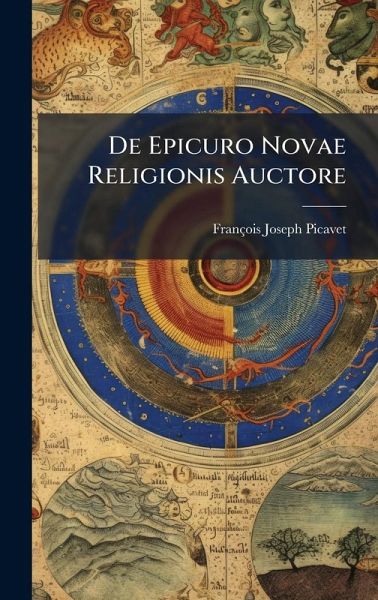
De Epicuro Novae Religionis Auctore, Sive De Diis Quid Senserit Epicurus, by François Joseph Picavet, explores Epicurus's views on the gods and religion. This historical study delves into the philosophical foundations of Epicureanism, examining Epicurus's revolutionary ideas regarding the nature of deities and their role in human life. Picavet's work offers insights into the historical context of Epicurus's teachings and their impact on ancient religious thought. The book presents a detailed analysis of Epicurus's perspective, challenging traditional interpretations and providing a nuanced understanding of his philosophical contributions. This volume is essential for scholars and readers interested in the intersection of philosophy, religion, and ancient history. This work has been selected by scholars as being culturally important, and is part of the knowledge base of civilization as we know it. This work was reproduced from the original artifact, and remains as true to the original work as possible. Therefore, you will see the original copyright references, library stamps (as most of these works have been housed in our most important libraries around the world), and other notations in the work. This work is in the public domain in the United States of America, and possibly other nations. Within the United States, you may freely copy and distribute this work, as no entity (individual or corporate) has a copyright on the body of the work. As a reproduction of a historical artifact, this work may contain missing or blurred pages, poor pictures, errant marks, etc. Scholars believe, and we concur, that this work is important enough to be preserved, reproduced, and made generally available to the public. We appreciate your support of the preservation process, and thank you for being an important part of keeping this knowledge alive and relevant.