

Andere Kunden interessierten sich auch für
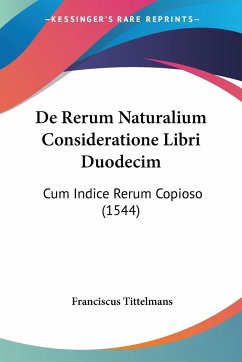
 De Rerum Naturalium Consideratione Libri Duodecim32,99 €
") De Scriptoribus Rerum Hungaricarum Et Transsilvanicarum Saeculi XVII (1798)28,99 €
De Scriptoribus Rerum Hungaricarum Et Transsilvanicarum Saeculi XVII (1798)28,99 €") Tractatio De Miliarium Origine, Progressu, Natura, Et Curatione (1758)15,99 €
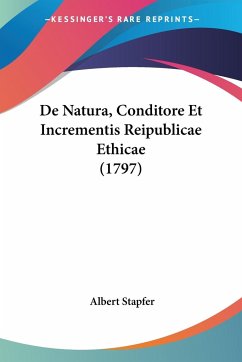
Tractatio De Miliarium Origine, Progressu, Natura, Et Curatione (1758)15,99 €") De Natura, Conditore Et Incrementis Reipublicae Ethicae (1797)14,99 €
De Natura, Conditore Et Incrementis Reipublicae Ethicae (1797)14,99 €") Rerum Hungaricarum Sui Temporis Commentarii Book 22 E Ms. In Lucem Prodeuntes (1788)37,99 €
Rerum Hungaricarum Sui Temporis Commentarii Book 22 E Ms. In Lucem Prodeuntes (1788)37,99 €") Caroli Lachmanni In T. Lucretii Cari De Rerum Natura Libros Commentarius (1866)25,99 €
Caroli Lachmanni In T. Lucretii Cari De Rerum Natura Libros Commentarius (1866)25,99 €") Lucii Annaei Flori Rerum Romanarum Book 4 (1722)18,99 €
Lucii Annaei Flori Rerum Romanarum Book 4 (1722)18,99 €





This scarce antiquarian book is a facsimile reprint of the original. Due to its age, it may contain imperfections such as marks, notations, marginalia and flawed pages. Because we believe this work is culturally important, we have made it available as part of our commitment for protecting, preserving, and promoting the world's literature in affordable, high quality, modern editions that are true to the original work.