
Andere Kunden interessierten sich auch für
 Feel Free21,99 €
 Feel Free9,99 €
 Changing My Mind11,99 €
 Dear Dolly19,99 €
 The Fran Lebowitz Reader13,99 €
 Opinions10,99 €
 Shooting an Elephant8,49 €
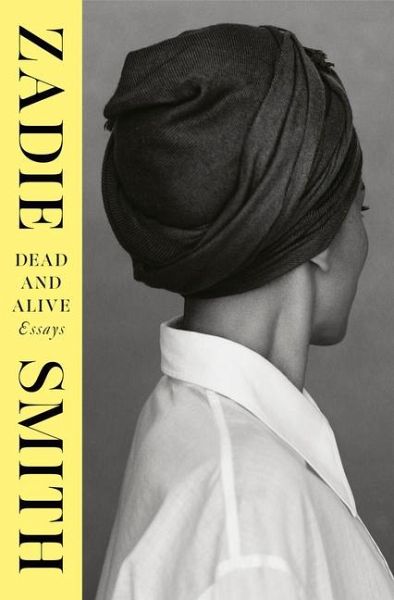
Named a Best Book of 2025 by The New Yorker, TIME, Vanity Fair, and Kirkus Reviews - One of Barack Obama's Favorite Books of 2025 "Smart, somber . . . There's pleasure in watching a novelist wired to see all sides at once wrangle with her own dynamic subjectivity." - The New York Times Book Review A profound and unparalleled literary voice, Zadie Smith returns with a resounding collection of essays In this eagerly awaited new collection, Zadie Smith brings her unique skills as an essayist to bear on a range of subjects that have captured her attention in recent years. She takes an exhilaratingly close look at artists Toyin Ojih Odutola, Kara Walker and Celia Paul. She invites us along to the movies, to see and to think about Tár, and to New York to reflect on the spontaneous moments that connect us. She takes us on a walk down Kilburn High Road in her beloved North-West London and welcomes us to mourn with her the passing of writers Joan Didion, Martin Amis, Hilary Mantel, Philip Roth and Toni Morrison. She considers changes of government on both sides of the Atlantic - and the meaning of "the commons" in all our lives. Throughout this thrilling collection, Zadie Smith shows us once again her unrivalled ability to think through critically and humanely some of the most urgent preoccupations and tendencies of our troubled times.
Eclectic in her tastes, centrifugal in her style, Smith as an essayist loves to stretch her frame Financial Times
Smith gives a masterclass in the modern essay. In Dead and Alive, Zadie Smith once again confirms that she is among the most expert essayists of her generation . . . Even when she writs about death, disillusionment, or the absurdity of fame, "protect your consciousness," she advises, and this book feels like an act of protection in itself - an argument for stillness, attention, and moral imagination in a distracted world. Smith has written a generous, fiercely intelligence collection that reminds us why essays matter. They keep us awake, alive, and, in Smith's words, "just human enough to hope" Oliver Poole Evening Standard