
Andere Kunden interessierten sich auch für
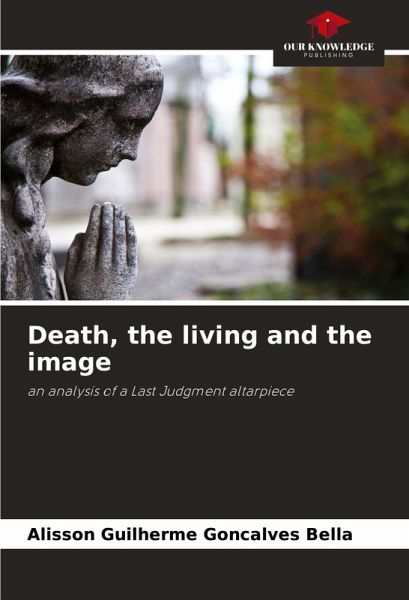
 La mort, les vivants et l'image32,99 €
 Teaching History of the Middle Ages in Brazil27,99 €
 Raymond Mauny and the making of medieval African history27,99 €
 Insertion of the Wheat Spike to the Image of San Cayetano36,99 €
 From Warrior Kings to God's Anointed Ones47,99 €
 Penitential pilgrimage - punishment or pilgrimage?18,99 €
 The Image of War20,90 €





Tucked away in an attic of a historic French building and in the Louvre's conservation department, Rogier van der Weyden's Last Judgment painting went unnoticed for centuries until it became part of the L'hôtel-Dieu museum in Beaune. The intriguing thing is that, in 1443, the altarpiece was commissioned to be part of the chapel of a 15th-century place for caring for the sick and poor. The purpose of the image begs the question: what was the function of a representation of the end of the world in the 15th century? And why was a painting of the Last Judgement more than 5 meters long and 2 meters high part of the scenery of a place where the poor and sick were cared for? It is true that many images of the Last Judgement appeared at this time. But the peculiar thing is precisely the location of the image. These and other questions are the essence of this book, which aims to offer the reader an image analysis based on the evidence found in the Last Judgement altarpiece.