
Andere Kunden interessierten sich auch für
 Liberty, Equality, Fraternity42,99 €
 Critical Debates on Counter-Terrorism Judicial Review127,99 €
 Liberty, Right and Nature120,99 €
 Liberty, Right and Nature30,99 €
 Liberty, Rationality, and Agency in Hobbes's Leviathan92,99 €
 Liberty, Equality, Fraternity34,99 €
 Liberty, Individuality, and Democracy in Jorge Luis Borges48,99 €







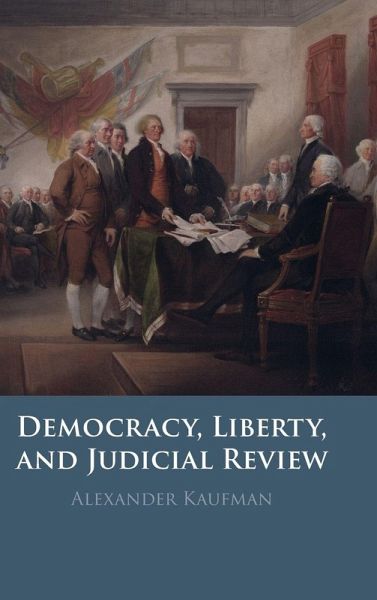
Contemporary democratic theory often posits that the will of the majority should resolve fundamental questions regarding rights, rather than the courts. However, this perspective misunderstands the essence of democracy, where the protection of basic liberties by the judiciary is, in fact, integral to democratic governance. Recent Supreme Court decisions have made it a challenging time to defend judicial review, seemingly validating the concerns of its critics. Are the sceptics correct in asserting that an unrepresentative branch should not decide fundamental questions about rights? Alexander Kaufman argues that such a conclusion overlooks the crucial role judicial review has played in modern democracies: dismantling Jim Crow laws, abolishing poll taxes, and striking down numerous other discriminatory laws enacted by elected representatives - laws that erode democratic values. Far from diluting democracy, judicial review is a vital component of it and abandoning this practice would be a concession to its adversaries.