
Sherylyn H. Briller, Amy Goldmacher
Designing an Anthropology Career
Professional Development Exercises

Sherylyn H. Briller, Amy Goldmacher
Designing an Anthropology Career
Professional Development Exercises
- Broschiertes Buch
- Merkliste
- Auf die Merkliste
- Bewerten Bewerten
- Teilen
- Produkt teilen
- Produkterinnerung
- Produkterinnerung
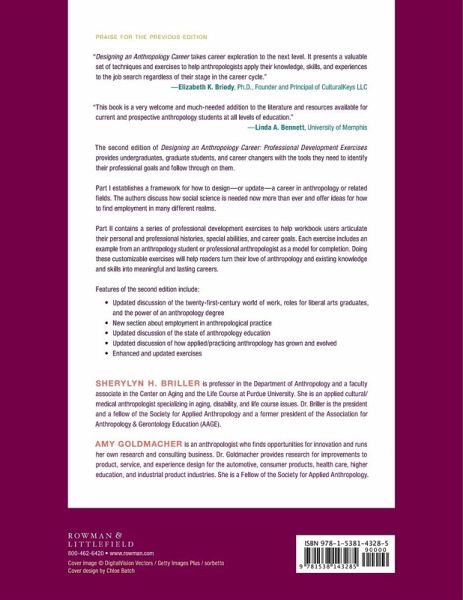
Designing an Anthropology Career: Professional Development Exercises, 2E, provides undergraduate and graduate students with the tools they need to identify their career goals and follow through on them. Throughout the text, the authors take a broad perspective to encourage readers to imagine an evolving anthropology career as a lifetime endeavor.
Andere Kunden interessierten sich auch für
 Why the World Needs Anthropologists38,99 €
 Carl A. MaidaCommon Worlds119,99 €
 R. Jon McGeeAnthropological Theory88,99 €
 Carol J. EllickThe Anthropology Graduate's Guide43,99 €
 John J. RobinsonBorn in Blood38,99 €
 John J. RobinsonBorn in Blood16,99 €
 Daniel GavronThe Kibbutz28,99 €
-
-
-







Designing an Anthropology Career: Professional Development Exercises, 2E, provides undergraduate and graduate students with the tools they need to identify their career goals and follow through on them. Throughout the text, the authors take a broad perspective to encourage readers to imagine an evolving anthropology career as a lifetime endeavor.
Produktdetails
- Produktdetails
- Verlag: Rowman & Littlefield
- Second Edition
- Seitenzahl: 132
- Erscheinungstermin: 19. November 2020
- Englisch
- Abmessung: 280mm x 216mm x 7mm
- Gewicht: 356g
- ISBN-13: 9781538143285
- ISBN-10: 1538143283
- Artikelnr.: 59473391
- Herstellerkennzeichnung
- Libri GmbH
- Europaallee 1
- 36244 Bad Hersfeld
- gpsr@libri.de
- Verlag: Rowman & Littlefield
- Second Edition
- Seitenzahl: 132
- Erscheinungstermin: 19. November 2020
- Englisch
- Abmessung: 280mm x 216mm x 7mm
- Gewicht: 356g
- ISBN-13: 9781538143285
- ISBN-10: 1538143283
- Artikelnr.: 59473391
- Herstellerkennzeichnung
- Libri GmbH
- Europaallee 1
- 36244 Bad Hersfeld
- gpsr@libri.de
Dr. Sherylyn Briller (PhD, 2000, Case Western Reserve University) is an Associate Professor of Anthropology at Purdue University and a Faculty Associate in the Center on Aging and the Life Course. She is an applied cultural/medical anthropologist specializing in aging and life course issues. Briller has a long-standing interest in anthropologists' education and career development; she co-authored a well-known textbook Designing an Anthropology Career: Professional Development Exercises. After working as a practitioner, Briller became an applied researcher working on old age support in the United States and Mongolia. Briller's individual and collaborative scholarship resulted in a four volume book series on dementia care settings, an interdisciplinary book about end-of-life issues, one design monograph, two guest-edited special issues, 10 book chapters, 21 peer-reviewed articles, and a community-engaged medical anthropology museum exhibit. Her work is used by policymakers, academics, healthcare professionals, patients, families and others. At the broadest level, her anthropological scholarship and practice aim to create a better, more inclusive world that supports people in achieving and maintaining social personhood across the life course and a range of disability and illness experiences. Briller is an accomplished teacher and mentor. She won a Presidential Award for Teaching, the university's highest teaching honor. Briller is a Fellow of the Society for Applied Anthropology and the Co-Chair of the Consortium of Applied and Practicing Anthropology Programs (COPAA). She is a former President of the Association for Anthropology & Gerontology Education (AAGE) and served on the SfAA's Nominations and Elections Committee. Briller is President-Elect of the Society for Applied Anthropology.
Table of Contents:
Part I - Desigining An Anthropology Career
Chapter 1 Introduction
Updated discussion of 21st century world of work, roles for liberal arts
graduates and the power of an anthropology degreeNew section about
practitioners/employment in anthropological practiceUpdated personal story
boxes of the authors based on career changes since the first editionUpdated
content based on what students have been asking for (e.g., how to become an
anthropological practitioner, how to ensure that students can set up to
work on social issues about which they care most)
Chapter 2 Positioning Yourself in the Discipline
Tone adjusted to accommodate undergraduates and graduate level students and
for professionals who may be looking to pivot careersUpdated discussion of
the state of anthropology education; applied/practice, academic spectrum;
changes to tenure and promotion standards in academia to reflect growing
influence of applied scholarship, pedagogy and engagement Updated
discussion of how applied/practicing anthropology has grown and evolved -
and the doors that have been opened over timeUpdated discussion of the life
course approach to career planning
Chapter 3 How to Use this Book Effectively
Updated discussion of technologies and storage practices and feedback
mechanisms
Part II - Professional Development Exercises
All exercises will be enhanced and updated to include more specific
direction with the prompts, tips for completion, applicability to real-life
situations, new examples and action plans.Two exercises (Representing Your
Body of Work: Portfolio Exercise and Representing Yourself in Other Fields:
Second Domain Exercise) have been renamed "Term Projects" because they
require more effort over a longer time period and are well-suited for
midterm and/or final projects in a course. As such, they will be
substantially reworked and reformatted to reflect how students should
approach and work on these larger activities. Emphasis will be placed on
other kinds of deliverables - e.g., a portfolio you can share with
potential employers or use for representing yourself on the Internet. For
the Second Domain exercise, we have found that one of the best outcomes is
that this project causes students to reach out in a series of informational
interviews to individuals they would like to add to their professional
network. This step has resulted in numerous positive developments including
growing these networks and sometimes even leading to job opportunities. We
want to maximize the value of these larger exercises in some of these key
ways.
Exercise 1 - Understanding Yourself as an Anthropologist: Identity Exercise
Exercise 2 - Understanding Your Educational Background: Transcript Exercise
Exercise 3 - Understanding Your Work Background: Job Titles Exercise
Exercise 4 - Understanding Your Values: Code of Ethics Exercise
Exercise 5 - Understanding Your Impact: Making Social Change Exercise
Exercise 6 - Understanding Yourself in Collaboration: Team Work Exercise
Exercise 7 - Understanding Your Personal and Professional Balance:
Lifestyle Exercise
Exercise 8 - Understanding Your Advising Relationships: Mentorship Exercise
Exercise 9 - Understanding Your Professional Connections: Networking
Exercise
Exercise 10 - Understanding Your Ideal Job: Anthropological Job Search
Exercise
Exercise 11 - Representing Yourself Professionally as an Anthropologist:
Personal Introduction Exercise
Exercise 12 - Representing Yourself in a Summary Document: Resume Exercise
Exercise 13 - Representing Your Whole Anthropological Career: Retirement
Exercise
Term Project 1 - Representing Your Body of Work: Portfolio Exercise
Term Project 2 - Representing Yourself in Other Fields: Second Domain
Exercise
References
About the Authors
Part I - Desigining An Anthropology Career
Chapter 1 Introduction
Updated discussion of 21st century world of work, roles for liberal arts
graduates and the power of an anthropology degreeNew section about
practitioners/employment in anthropological practiceUpdated personal story
boxes of the authors based on career changes since the first editionUpdated
content based on what students have been asking for (e.g., how to become an
anthropological practitioner, how to ensure that students can set up to
work on social issues about which they care most)
Chapter 2 Positioning Yourself in the Discipline
Tone adjusted to accommodate undergraduates and graduate level students and
for professionals who may be looking to pivot careersUpdated discussion of
the state of anthropology education; applied/practice, academic spectrum;
changes to tenure and promotion standards in academia to reflect growing
influence of applied scholarship, pedagogy and engagement Updated
discussion of how applied/practicing anthropology has grown and evolved -
and the doors that have been opened over timeUpdated discussion of the life
course approach to career planning
Chapter 3 How to Use this Book Effectively
Updated discussion of technologies and storage practices and feedback
mechanisms
Part II - Professional Development Exercises
All exercises will be enhanced and updated to include more specific
direction with the prompts, tips for completion, applicability to real-life
situations, new examples and action plans.Two exercises (Representing Your
Body of Work: Portfolio Exercise and Representing Yourself in Other Fields:
Second Domain Exercise) have been renamed "Term Projects" because they
require more effort over a longer time period and are well-suited for
midterm and/or final projects in a course. As such, they will be
substantially reworked and reformatted to reflect how students should
approach and work on these larger activities. Emphasis will be placed on
other kinds of deliverables - e.g., a portfolio you can share with
potential employers or use for representing yourself on the Internet. For
the Second Domain exercise, we have found that one of the best outcomes is
that this project causes students to reach out in a series of informational
interviews to individuals they would like to add to their professional
network. This step has resulted in numerous positive developments including
growing these networks and sometimes even leading to job opportunities. We
want to maximize the value of these larger exercises in some of these key
ways.
Exercise 1 - Understanding Yourself as an Anthropologist: Identity Exercise
Exercise 2 - Understanding Your Educational Background: Transcript Exercise
Exercise 3 - Understanding Your Work Background: Job Titles Exercise
Exercise 4 - Understanding Your Values: Code of Ethics Exercise
Exercise 5 - Understanding Your Impact: Making Social Change Exercise
Exercise 6 - Understanding Yourself in Collaboration: Team Work Exercise
Exercise 7 - Understanding Your Personal and Professional Balance:
Lifestyle Exercise
Exercise 8 - Understanding Your Advising Relationships: Mentorship Exercise
Exercise 9 - Understanding Your Professional Connections: Networking
Exercise
Exercise 10 - Understanding Your Ideal Job: Anthropological Job Search
Exercise
Exercise 11 - Representing Yourself Professionally as an Anthropologist:
Personal Introduction Exercise
Exercise 12 - Representing Yourself in a Summary Document: Resume Exercise
Exercise 13 - Representing Your Whole Anthropological Career: Retirement
Exercise
Term Project 1 - Representing Your Body of Work: Portfolio Exercise
Term Project 2 - Representing Yourself in Other Fields: Second Domain
Exercise
References
About the Authors
Table of Contents:
Part I - Desigining An Anthropology Career
Chapter 1 Introduction
Updated discussion of 21st century world of work, roles for liberal arts
graduates and the power of an anthropology degreeNew section about
practitioners/employment in anthropological practiceUpdated personal story
boxes of the authors based on career changes since the first editionUpdated
content based on what students have been asking for (e.g., how to become an
anthropological practitioner, how to ensure that students can set up to
work on social issues about which they care most)
Chapter 2 Positioning Yourself in the Discipline
Tone adjusted to accommodate undergraduates and graduate level students and
for professionals who may be looking to pivot careersUpdated discussion of
the state of anthropology education; applied/practice, academic spectrum;
changes to tenure and promotion standards in academia to reflect growing
influence of applied scholarship, pedagogy and engagement Updated
discussion of how applied/practicing anthropology has grown and evolved -
and the doors that have been opened over timeUpdated discussion of the life
course approach to career planning
Chapter 3 How to Use this Book Effectively
Updated discussion of technologies and storage practices and feedback
mechanisms
Part II - Professional Development Exercises
All exercises will be enhanced and updated to include more specific
direction with the prompts, tips for completion, applicability to real-life
situations, new examples and action plans.Two exercises (Representing Your
Body of Work: Portfolio Exercise and Representing Yourself in Other Fields:
Second Domain Exercise) have been renamed "Term Projects" because they
require more effort over a longer time period and are well-suited for
midterm and/or final projects in a course. As such, they will be
substantially reworked and reformatted to reflect how students should
approach and work on these larger activities. Emphasis will be placed on
other kinds of deliverables - e.g., a portfolio you can share with
potential employers or use for representing yourself on the Internet. For
the Second Domain exercise, we have found that one of the best outcomes is
that this project causes students to reach out in a series of informational
interviews to individuals they would like to add to their professional
network. This step has resulted in numerous positive developments including
growing these networks and sometimes even leading to job opportunities. We
want to maximize the value of these larger exercises in some of these key
ways.
Exercise 1 - Understanding Yourself as an Anthropologist: Identity Exercise
Exercise 2 - Understanding Your Educational Background: Transcript Exercise
Exercise 3 - Understanding Your Work Background: Job Titles Exercise
Exercise 4 - Understanding Your Values: Code of Ethics Exercise
Exercise 5 - Understanding Your Impact: Making Social Change Exercise
Exercise 6 - Understanding Yourself in Collaboration: Team Work Exercise
Exercise 7 - Understanding Your Personal and Professional Balance:
Lifestyle Exercise
Exercise 8 - Understanding Your Advising Relationships: Mentorship Exercise
Exercise 9 - Understanding Your Professional Connections: Networking
Exercise
Exercise 10 - Understanding Your Ideal Job: Anthropological Job Search
Exercise
Exercise 11 - Representing Yourself Professionally as an Anthropologist:
Personal Introduction Exercise
Exercise 12 - Representing Yourself in a Summary Document: Resume Exercise
Exercise 13 - Representing Your Whole Anthropological Career: Retirement
Exercise
Term Project 1 - Representing Your Body of Work: Portfolio Exercise
Term Project 2 - Representing Yourself in Other Fields: Second Domain
Exercise
References
About the Authors
Part I - Desigining An Anthropology Career
Chapter 1 Introduction
Updated discussion of 21st century world of work, roles for liberal arts
graduates and the power of an anthropology degreeNew section about
practitioners/employment in anthropological practiceUpdated personal story
boxes of the authors based on career changes since the first editionUpdated
content based on what students have been asking for (e.g., how to become an
anthropological practitioner, how to ensure that students can set up to
work on social issues about which they care most)
Chapter 2 Positioning Yourself in the Discipline
Tone adjusted to accommodate undergraduates and graduate level students and
for professionals who may be looking to pivot careersUpdated discussion of
the state of anthropology education; applied/practice, academic spectrum;
changes to tenure and promotion standards in academia to reflect growing
influence of applied scholarship, pedagogy and engagement Updated
discussion of how applied/practicing anthropology has grown and evolved -
and the doors that have been opened over timeUpdated discussion of the life
course approach to career planning
Chapter 3 How to Use this Book Effectively
Updated discussion of technologies and storage practices and feedback
mechanisms
Part II - Professional Development Exercises
All exercises will be enhanced and updated to include more specific
direction with the prompts, tips for completion, applicability to real-life
situations, new examples and action plans.Two exercises (Representing Your
Body of Work: Portfolio Exercise and Representing Yourself in Other Fields:
Second Domain Exercise) have been renamed "Term Projects" because they
require more effort over a longer time period and are well-suited for
midterm and/or final projects in a course. As such, they will be
substantially reworked and reformatted to reflect how students should
approach and work on these larger activities. Emphasis will be placed on
other kinds of deliverables - e.g., a portfolio you can share with
potential employers or use for representing yourself on the Internet. For
the Second Domain exercise, we have found that one of the best outcomes is
that this project causes students to reach out in a series of informational
interviews to individuals they would like to add to their professional
network. This step has resulted in numerous positive developments including
growing these networks and sometimes even leading to job opportunities. We
want to maximize the value of these larger exercises in some of these key
ways.
Exercise 1 - Understanding Yourself as an Anthropologist: Identity Exercise
Exercise 2 - Understanding Your Educational Background: Transcript Exercise
Exercise 3 - Understanding Your Work Background: Job Titles Exercise
Exercise 4 - Understanding Your Values: Code of Ethics Exercise
Exercise 5 - Understanding Your Impact: Making Social Change Exercise
Exercise 6 - Understanding Yourself in Collaboration: Team Work Exercise
Exercise 7 - Understanding Your Personal and Professional Balance:
Lifestyle Exercise
Exercise 8 - Understanding Your Advising Relationships: Mentorship Exercise
Exercise 9 - Understanding Your Professional Connections: Networking
Exercise
Exercise 10 - Understanding Your Ideal Job: Anthropological Job Search
Exercise
Exercise 11 - Representing Yourself Professionally as an Anthropologist:
Personal Introduction Exercise
Exercise 12 - Representing Yourself in a Summary Document: Resume Exercise
Exercise 13 - Representing Your Whole Anthropological Career: Retirement
Exercise
Term Project 1 - Representing Your Body of Work: Portfolio Exercise
Term Project 2 - Representing Yourself in Other Fields: Second Domain
Exercise
References
About the Authors