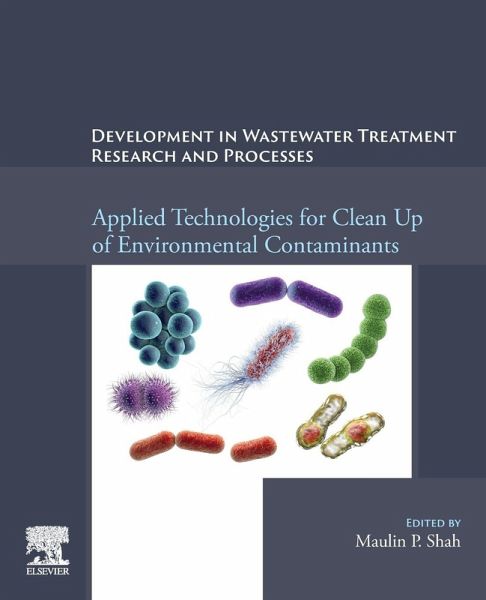
Applied Technologies for Clean Up of Environmental Contaminants covers the features of remediation and biocontrol technology, a multidisciplinary field combining environmental and industrial microbiology with biotechnology to improve environmental management. Studying the advanced microbial processes involved in geomicrobiology, aeromicrobiology, microbial loop and nutrient availability, as well as microbial energetics in the contaminated environment with an emphasis on innovative methodologies, the book provides readers with a better understanding of basic microbiology, allowing them to…mehr
Applied Technologies for Clean Up of Environmental Contaminants covers the features of remediation and biocontrol technology, a multidisciplinary field combining environmental and industrial microbiology with biotechnology to improve environmental management. Studying the advanced microbial processes involved in geomicrobiology, aeromicrobiology, microbial loop and nutrient availability, as well as microbial energetics in the contaminated environment with an emphasis on innovative methodologies, the book provides readers with a better understanding of basic microbiology, allowing them to comprehend the mechanism and behavior of various biochemical processes that are used in bioremediation and biocontrol technologies. Including coverage of key subjects such as management of waste, energy generation, restoration processes, water treatment processes, co-metabolism, and nutrient recycling as well as emerging advances in environmental microbial biotechnology, green nanotechnology, metagenomic and proteomic strategies, DNA microarray, and biosensor-based technologies, this book provides potential implications for environmental management.
SECTION 1 Microbial-based management of environmental pollutants 1. Microbes in sequestration of micropollutants including microplastics 2. Microbial surfactants: The ecofriendly tools for sustainable bioremediation of petroleum and organic contaminants for environmental safety 3. Insecticides: Current status, properties, and the biological degradation strategies 4. Microplastics contamination in agricultural ecosystems: Challenges and sustainable approaches for green environment 5. Pesticides and their degradation: A microbiological perspective 6. Current status and perspectives of municipal wastewater treatment using microalgal systems 7. Biotransformation of environmental pollutants: Exploring halophilic microbial interventions SECTION 2 Microbial-based management of resource 8. Microbee-Mineral interface (MMI): Study and assessment of abiotic biomolecules from molecular to macroscopic scale 9. Microbes in energy generation 10. Microbial fuel cell (MFC) in bioremediation, wastewater treatment, resource recovery, and bioelectricity generation: Advances, challenges, and, opportunities 11. Microbes in water treatment process 12. The role of microorganisms in energy generation 13. Microbial-based strategies for remediation of agricultural wastes 14. Microbial electrochemical technologies for the valorization of food wastes: A comprehensive review 15. Prospects of large-scale microalgae culture using industrial wastewater for biofuel production 16. Microbes in the biomining process: A nanobiotechnological perspective SECTION 3 Rhizospheric ecology of contaminated environment 17. Role of rhizobacteria in rapid growth and phytopathogenic mitigation of Arecales SECTION 4 Role of biofilms in environment pollution control 18. Role of biofilms in control of heavy metal pollution and subsequent control of algal blooms 19. An overview on role of biofilms in environment pollution remediation 20. Microbial biofilm in bioremediation of environmental contaminants and wastewater treatment: Challenges and opportunities SECTION 5 Microbes as remediating agent 21. Degradation of crude oil in bioreactors by oleophilic bacteria 22. Microbes in bioremediation of heavy metals 23. Microbes in bioremediation of pesticides 24. Microbes in bioremediation of petroleum pollutants 25. Microbes in xenobiotics biodegradation SECTION 6 Energetics of microbial processes in the polluted environment 26. An insight into the ecological toxicity triggered by anthropogenically driven heavy metal micropollutants on biotic community SECTION 7 DNA microarray applications in environmental microbiology 27. Metagenomic and proteomic approach for bioremediation of environmental pollutants 28. Metagenomics of River Ganga: A potential approach in bioremediation 29. Strategies and methods of OMICS-based approaches in microbial environmental bioremediation SECTION 8 Microbial biosensors for environmental monitoring 30. Microbial biosensors in environmental monitoring 31. Biosensors in heavy metal and metalloid detection: Genetic, cellular, and nanomaterial applications
SECTION 1 Microbial-based management of environmental pollutants 1. Microbes in sequestration of micropollutants including microplastics 2. Microbial surfactants: The ecofriendly tools for sustainable bioremediation of petroleum and organic contaminants for environmental safety 3. Insecticides: Current status, properties, and the biological degradation strategies 4. Microplastics contamination in agricultural ecosystems: Challenges and sustainable approaches for green environment 5. Pesticides and their degradation: A microbiological perspective 6. Current status and perspectives of municipal wastewater treatment using microalgal systems 7. Biotransformation of environmental pollutants: Exploring halophilic microbial interventions SECTION 2 Microbial-based management of resource 8. Microbee-Mineral interface (MMI): Study and assessment of abiotic biomolecules from molecular to macroscopic scale 9. Microbes in energy generation 10. Microbial fuel cell (MFC) in bioremediation, wastewater treatment, resource recovery, and bioelectricity generation: Advances, challenges, and, opportunities 11. Microbes in water treatment process 12. The role of microorganisms in energy generation 13. Microbial-based strategies for remediation of agricultural wastes 14. Microbial electrochemical technologies for the valorization of food wastes: A comprehensive review 15. Prospects of large-scale microalgae culture using industrial wastewater for biofuel production 16. Microbes in the biomining process: A nanobiotechnological perspective SECTION 3 Rhizospheric ecology of contaminated environment 17. Role of rhizobacteria in rapid growth and phytopathogenic mitigation of Arecales SECTION 4 Role of biofilms in environment pollution control 18. Role of biofilms in control of heavy metal pollution and subsequent control of algal blooms 19. An overview on role of biofilms in environment pollution remediation 20. Microbial biofilm in bioremediation of environmental contaminants and wastewater treatment: Challenges and opportunities SECTION 5 Microbes as remediating agent 21. Degradation of crude oil in bioreactors by oleophilic bacteria 22. Microbes in bioremediation of heavy metals 23. Microbes in bioremediation of pesticides 24. Microbes in bioremediation of petroleum pollutants 25. Microbes in xenobiotics biodegradation SECTION 6 Energetics of microbial processes in the polluted environment 26. An insight into the ecological toxicity triggered by anthropogenically driven heavy metal micropollutants on biotic community SECTION 7 DNA microarray applications in environmental microbiology 27. Metagenomic and proteomic approach for bioremediation of environmental pollutants 28. Metagenomics of River Ganga: A potential approach in bioremediation 29. Strategies and methods of OMICS-based approaches in microbial environmental bioremediation SECTION 8 Microbial biosensors for environmental monitoring 30. Microbial biosensors in environmental monitoring 31. Biosensors in heavy metal and metalloid detection: Genetic, cellular, and nanomaterial applications
Es gelten unsere Allgemeinen Geschäftsbedingungen: www.buecher.de/agb
Impressum
www.buecher.de ist ein Internetauftritt der buecher.de internetstores GmbH
Geschäftsführung: Monica Sawhney | Roland Kölbl | Günter Hilger
Sitz der Gesellschaft: Batheyer Straße 115 - 117, 58099 Hagen
Postanschrift: Bürgermeister-Wegele-Str. 12, 86167 Augsburg
Amtsgericht Hagen HRB 13257
Steuernummer: 321/5800/1497
USt-IdNr: DE450055826