
Andere Kunden interessierten sich auch für
 Hidden Lands in Himalayan Myth and History124,99 €
 Women, Islam and Familial Intimacy in Colonial South Asia119,99 €
 Ethnolinguistic Prehistory of the Eastern Himalaya139,99 €
 State, Society, and Minorities in South and Southeast Asia120,99 €
 Divination in Exile109,99 €
 Knowledge, Power, and Networks117,99 €
 Histoires hafsides148,99 €





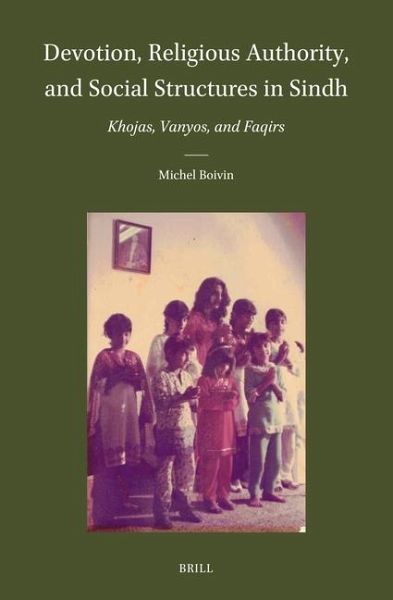
In a context of rigidification of religious boundaries, especially between Hinduism and Islam, the main argument of the book is that many sites of religious encountering are still at work, both in Pakistan and in India. Drawing on both historical anthropology and sociology of religions, the book also underscores that the process of constructing communities in South Asia, both Hindu and Muslim, is rooted in the same social pattern, the patrilineal lineage (baradari or khandan).