
Andere Kunden interessierten sich auch für
 Über die Lehre des Spinoza in Briefen an den Herrn Moses Mendelssohn29,90 €
 Moses Mendelssohn29,00 €
 Mausche mi-Dessau. Moses Mendelssohn5,90 €
 Moses Mendelssohn6,90 €
 Phädon9,30 €
 Zu Jean-Jacques Rousseaus "Über die Ungleichheit unter den Menschen" in der Übersetzung von Moses Mendelssohn15,95 €
") Difference of Man and the Difference It Makes (Revised)104,99 €
Difference of Man and the Difference It Makes (Revised)104,99 €







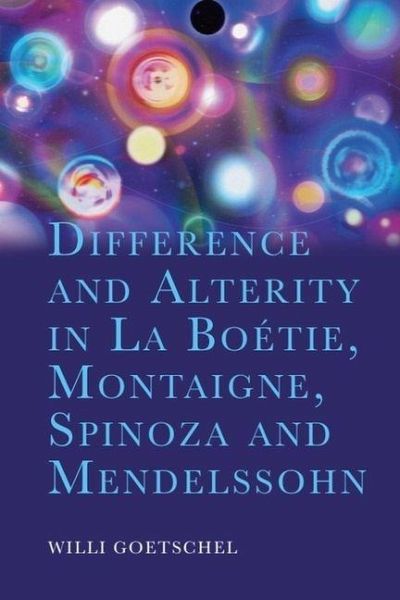
This book redirects our attention to a group of thinkers whose project of rethinking difference and alterity assumes new critical significance at the current juncture. Reaching from the Renaissance to the Enlightenment, the interventions of La Boétie, Montaigne, Spinoza and Mendelssohn are not just history (albeit one problematically assimilated to canonical views), but offer new resources for moving past the politics of tolerance, charity, and recognition. These thinkers argue for an understanding of otherness that renegotiates the terms of difference and alterity more radically as the conditions of our own existence. From La Boétie's exposure of 'voluntary servitude' as the mechanism behind the tyranny of despotic authority, to the ideas of Montaigne, Spinoza and Mendelssohn, these thinkers argue for the critical importance of the deep constitutive nexus between self and other: identity, difference and otherness.