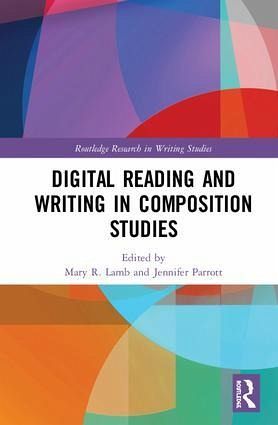
This book offers both an exploration of collaborative reading and pedagogical strategies for teaching reading and writing that reflect the realities of digital literacies. It builds from the premise that digital reading has become more productive and active, thus blurring the lines between reading and writing.
This book offers both an exploration of collaborative reading and pedagogical strategies for teaching reading and writing that reflect the realities of digital literacies. It builds from the premise that digital reading has become more productive and active, thus blurring the lines between reading and writing.
Mary R. Lamb is Associate Professor in the Department of English at Clayton State University, USA
Inhaltsangabe
Part 1 Collaborative Reading: Approaches to Reading in Crowded Digital Spaces 1 How Digital Writing and Design Can Sustain Reading, or Prezi is not just for Presentations-Well, Now, Maybe It Is 2 Developing Information Literacy through Critical Reading and Writing 3 Arguing with Ourselves: Rhetorical Reading as/of Algorithms on the Web 4 A Difference in Delivery: Reading Classroom Technology Practices Part 2 Teaching Writing and Reading in Digital Spaces 5 The Past, Present, and Future of Social Annotation 6 Teaching Writing and Reading in Digital Spaces through the Rhetoric of Social Commentary 7Annotating with Google Docs: Bridging Collaborative Digital Reading and Writing in the Composition Classroomss 8 Situating Design: Cultivating Digital Readers and Writers in the Composition Classroom 9 Reading, Writing, Produsing: Fostering Students Authors in the Public Space 10 Reorienting Relationships to Reading by Dwelling in Our Discomfort 11 Clip, Tag, Annotate: Active Reading Practices for Digital Texts Part 3 Implications and Institutional Contexts 12 Reading and Writing Digital Contexts across Campus: From FYC and FYE to ME to CE 13 Trending Information: Mapping Students' Information Literacies against WPA Learning Outcomes in First-Year Writing 14 New Assessments for New Reading: An Evidence Based Approach Afterword
Part 1 Collaborative Reading: Approaches to Reading in Crowded Digital Spaces 1 How Digital Writing and Design Can Sustain Reading, or Prezi is not just for Presentations-Well, Now, Maybe It Is 2 Developing Information Literacy through Critical Reading and Writing 3 Arguing with Ourselves: Rhetorical Reading as/of Algorithms on the Web 4 A Difference in Delivery: Reading Classroom Technology Practices Part 2 Teaching Writing and Reading in Digital Spaces 5 The Past, Present, and Future of Social Annotation 6 Teaching Writing and Reading in Digital Spaces through the Rhetoric of Social Commentary 7Annotating with Google Docs: Bridging Collaborative Digital Reading and Writing in the Composition Classroomss 8 Situating Design: Cultivating Digital Readers and Writers in the Composition Classroom 9 Reading, Writing, Produsing: Fostering Students Authors in the Public Space 10 Reorienting Relationships to Reading by Dwelling in Our Discomfort 11 Clip, Tag, Annotate: Active Reading Practices for Digital Texts Part 3 Implications and Institutional Contexts 12 Reading and Writing Digital Contexts across Campus: From FYC and FYE to ME to CE 13 Trending Information: Mapping Students' Information Literacies against WPA Learning Outcomes in First-Year Writing 14 New Assessments for New Reading: An Evidence Based Approach Afterword
Es gelten unsere Allgemeinen Geschäftsbedingungen: www.buecher.de/agb
Impressum
www.buecher.de ist ein Internetauftritt der buecher.de internetstores GmbH
Geschäftsführung: Monica Sawhney | Roland Kölbl | Günter Hilger
Sitz der Gesellschaft: Batheyer Straße 115 - 117, 58099 Hagen
Postanschrift: Bürgermeister-Wegele-Str. 12, 86167 Augsburg
Amtsgericht Hagen HRB 13257
Steuernummer: 321/5800/1497
USt-IdNr: DE450055826