

Andere Kunden interessierten sich auch für
 The Routledge Handbook on the Reception of Classical Architecture51,99 €
 The Venice Biennale and the Asia-Pacific in the Global Art World43,99 €
 Cold War American Exhibitions of Italian Art and Design208,99 €
 The Everyday in Visual Culture41,99 €
 Displaying the Ideals of Antiquity62,99 €
 The Blind Man of Seville21,99 €
 Cultural Nationhood and Political Statehood45,99 €


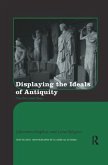

From aesthetic promenades in noble palaces to the performativity of religious apparatus, this edited volume reconsiders some of the events, habits and spaces that contributed to defining exhibition practices and shaping the imagery of the exhibition space in the early modern period.
The contributors encourage connections between art history, exhibition studies, and architectural history, and explore micro-histories and long-term changes in order to open new perspectives for studying these pioneering exhibition-making practices. Aiming to understand what spaces have done and still do to art, the book explores an underdeveloped area in the field that has yet to trace its interdisciplinary nature and understand its place in the history of art.
The book will be of interest to scholars working in art history, museum studies, exhibition history, and architectural history.
The contributors encourage connections between art history, exhibition studies, and architectural history, and explore micro-histories and long-term changes in order to open new perspectives for studying these pioneering exhibition-making practices. Aiming to understand what spaces have done and still do to art, the book explores an underdeveloped area in the field that has yet to trace its interdisciplinary nature and understand its place in the history of art.
The book will be of interest to scholars working in art history, museum studies, exhibition history, and architectural history.