
Andere Kunden interessierten sich auch für
 Pinjrey ka Panchhi18,99 €
 Pyaasa21,99 €
 Purani tasveer Naye rang18,99 €
 Thiong'o ki do KahaniyaaN17,99 €
 Dil se Daar tak20,99 €
 Afsanche21,99 €
 Sheeshe ki Kirche.N22,99 €

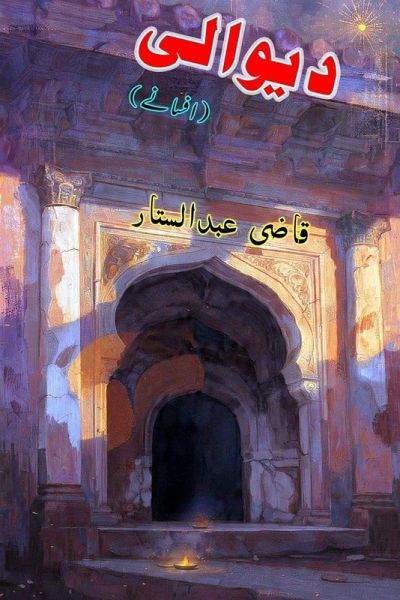
The short-story, is one of the most important literary subgenres in Urdu literature, despite its relative youth. This was influenced by western and literary concepts and tendencies, as well as the contemporary industrial and mechanized environment. The literature that can help to provide permanent comfort and peace to the life of a common man breathing in a fragmented society and an oppressive system is undoubtedly 'Literature for Life'. Qazi Abdul Sattar is a distinguished figure in Urdu fiction, celebrated for his unique linguistic style and mastery over both novels and short stories-a rare feat given their divergent demands. His significant contributions elevated Urdu fiction post-independence. A defining characteristic of his work is the meticulous portrayal of Awadh's feudal system and culture, meticulously documenting the declining lifestyle, fading traditions, and destitution of its landlords and capitalists after partition. His narratives frequently highlight the decay of the capitalist system. Sattar's language is distinct, evolving with his characters, and he employs similes beautifully, though occasionally to excess. Overall, his enduring literary identity rests on his singular voice and profound thematic engagement. This book "Diwali" is a collection of few of his famous short stories. / ¿¿¿¿ ¿¿¿¿¿¿¿¿¿ ¿¿ ¿¿¿¿ ¿¿¿¿ ¿¿¿¿ ¿¿ ¿¿¿¿¿¿ ¿¿¿ ¿¿¿¿¿ ¿¿¿¿¿ ¿¿¿ ¿¿¿¿ ¿¿ ¿¿ ¿¿ ¿¿¿¿¿ ¿¿¿¿ ¿ ¿¿¿¿ ¿¿ ¿¿¿ ¿¿¿ ¿¿¿ ¿¿¿ ¿¿ ¿¿¿¿ ¿¿¿¿ ¿¿¿ ¿¿¿¿¿ ¿¿ ¿¿¿ ¿¿¿¿ ¿¿¿¿ ¿¿ ¿¿¿ ¿¿¿¿ ¿¿ ¿¿¿¿¿¿¿ ¿¿¿ ¿¿¿¿¿¿ ¿¿¿¿¿ ¿¿¿ ¿¿¿¿ ¿¿¿¿¿¿¿¿¿ ¿¿ ¿¿¿ ¿¿¿¿ ¿¿¿¿¿ ¿¿ ¿¿¿¿ ¿¿¿ ¿¿¿¿ ¿¿¿¿¿¿¿¿¿ ¿¿ ¿¿¿¿ ¿¿¿¿¿¿ ¿¿¿ ¿¿¿¿¿ ¿¿¿¿¿ ¿¿¿ ¿¿ ¿¿¿¿ ¿¿ ¿¿ ¿¿¿¿¿ ¿¿ ¿¿¿¿ ¿ ¿¿¿¿¿¿¿ ¿¿¿¿¿ ¿¿¿¿¿ ¿¿¿ ¿¿¿¿¿ ¿¿¿¿¿ ¿¿ ¿¿¿¿ ¿¿¿ ¿¿¿ ¿¿ ¿¿ ¿¿¿¿ ¿¿¿ ¿¿ ¿¿ ¿¿¿¿¿ ¿¿¿¿¿ ¿¿¿¿¿ ¿¿ ¿¿¿¿¿ ¿¿ ¿¿¿¿ ¿¿¿¿¿ ¿¿¿ ¿¿ ¿¿ ¿¿¿ ¿¿¿¿¿¿ ¿¿ ¿¿¿ ¿¿ ¿¿ ¿¿¿¿¿ ¿¿ ¿¿¿¿ ¿¿ ¿¿¿¿¿¿¿¿¿¿¿ ¿¿¿¿ ¿ ¿¿¿¿¿ ¿¿ ¿¿¿¿ ¿¿¿¿¿¿ ¿¿¿ ¿¿¿¿¿ ¿¿¿ ¿¿¿¿ ¿¿ ¿¿¿¿¿¿ ¿¿¿¿¿ ¿¿ ¿¿¿ ¿¿¿¿¿¿ ¿ ¿¿¿¿¿ ¿¿ ¿¿¿ ¿¿ ¿¿ ¿¿¿¿ ¿¿¿¿ ¿¿¿¿¿ ¿¿¿ ¿¿¿¿ ¿¿¿¿ ¿¿¿¿¿ ¿¿¿¿ ¿¿¿¿ ¿¿¿¿¿¿ ¿¿¿ ¿¿¿¿ ¿¿¿¿¿¿ ¿¿ ¿¿¿¿¿ ¿¿ ¿¿¿¿ ¿¿¿¿¿¿¿ ¿¿ ¿¿¿¿¿ ¿¿¿¿¿ ¿¿¿