
Andere Kunden interessierten sich auch für
 Violence Against Women and Regimes of Exception126,99 €
 The Un Convention on the Elimination of All Forms of Discrimination Against Women and Its Optional Protocol296,99 €
 Sexual Violence Against Women in Pakistan32,99 €
 Constitutional Essentials132,99 €
 Right to Legal Personhood of Marginalised Groups112,99 €
 International Criminal Tribunals and Domestic Accountability146,99 €
 The Legal Concept of Work164,99 €

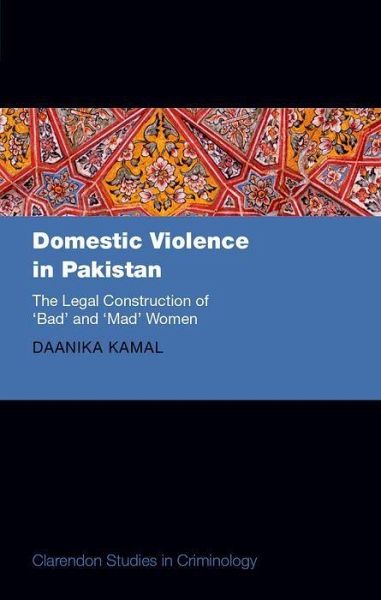
Pakistani women are increasingly pursuing legal action against domestic violence, but their claims are often dismissed through character allegations. This book examines how women's victimhood is constructed and negotiated in the legal system, drawing on feminist theory and extensive case analysis.